

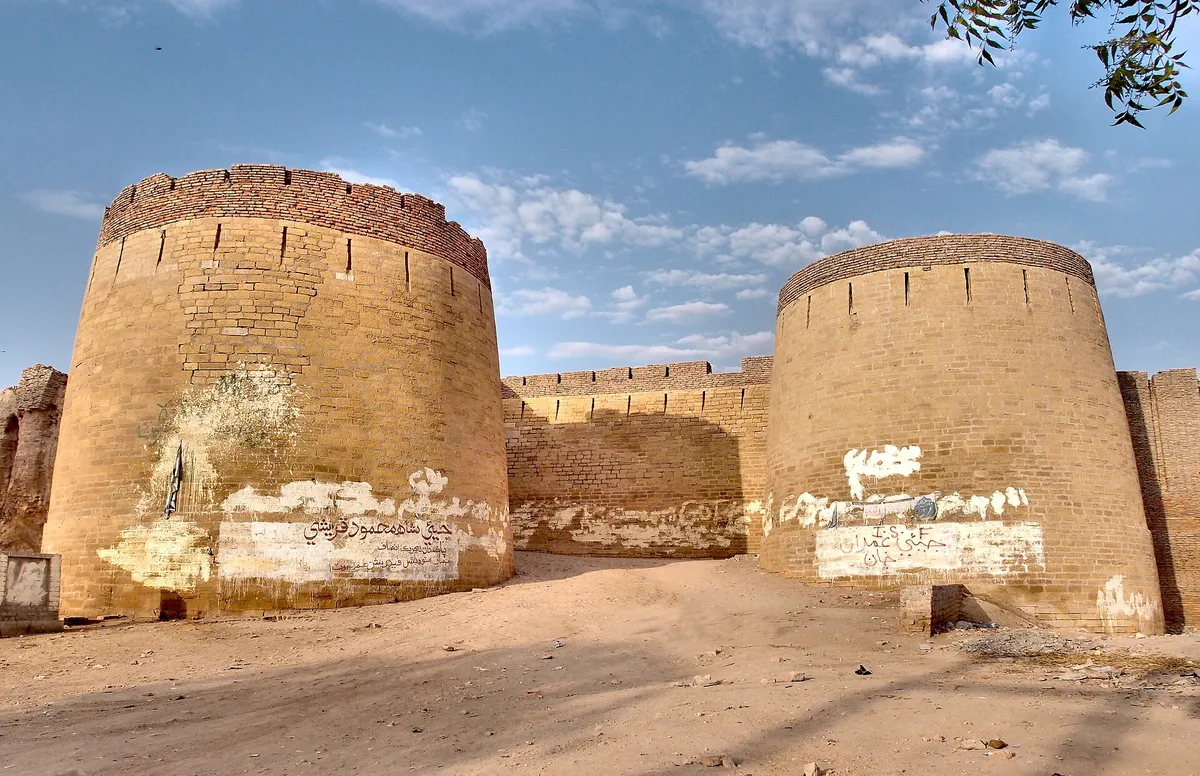
For a little over three hundred years, the lower Indus valley was ruled by a local family known as the Soomras. Their time began in the confusion that followed Mahmud of Ghazni’s raid on Mansura in the 1020s. It ended in the middle of the fourteenth century, when the Samma chiefs took their place.
In this article (23)
- Key Facts About the Soomra Dynasty of Sindh
- How the Soomras Came to Power After 1025 AD
- The Fall of the Habbari Emirate at Mansura
- Who Were the Soomras and Where Did They Come From
- The Soomra Rulers From Soomar to Hamir
- Early Rulers and the Regency of Queen Tari
- Thirteenth Century Kings and Muhammad Tur
- Dodo, Chanesar and the Delhi Sultans
- Soomra Capitals From Mansura to Thari and Muhammad Tur
- Religion, Learning and the Sindhi Language
- Ismaili Links and Sufi Centres
- Dodo Chanesar Between Legend and History
- The Fall of the Soomras and Rise of the Sammas
- The Kingdom of Umarkot and the Tale of Umar Marvi
- The Lasting Legacy of the Soomra Age
- Frequently Asked Questions About the Soomras
- When did the Soomra dynasty rule Sindh?
- What was the capital of the Soomra dynasty?
- Who was the last ruler of the Soomras?
- Were the Soomras Arabs or Rajputs?
- Is the Dodo Chanesar story true?
- Who replaced the Soomras in Sindh?
- Sources and Further Reading on the Soomras
The Soomra dynasty of Sindh is often called the first lasting native Muslim rule in the region after the Arab period. The label is fair enough. Still, very few documents from the Soomra age survive. Much of what people repeat about them comes from Persian chronicles written in the sixteenth and seventeenth centuries, or from ballads sung by bards long after the events.
Below you will find where the Soomras came from, who ruled, which towns were their capitals, how they handled Ghazni and Delhi, and what survives of them. Weak evidence is flagged as weak.
Key Facts About the Soomra Dynasty of Sindh
The table gathers the main points in one place. Dates follow the succession list used by Dr. Habibullah Siddiqui of the University of Karachi, which is itself based on Dr. N. A. Baloch’s study Soomran jo Daur.
| Topic | Details |
|---|---|
| Period of rule | About 1025 or 1026 AD to 1351 AD |
| Region | Lower Sindh first, later most of Sindh, with campaigns into Kutch |
| Main capitals | Mansura (briefly), Thari near Matli, Muhammad Tur near Jati |
| First ruler (by tradition) | Sardar Soomar, raised to power at Thari around 1025 AD |
| Last ruler | Hamir, son of Dodo, removed by the Sammas |
| Faith of the ruling house | Strong Ismaili links in the early period |
| Rivals and overlords | Ghaznavids, Ghurids, Khwarazm Shah, Delhi Sultanate |
| Successors | The Samma dynasty, with its capital at Thatta |
| Later branch | Soomra chiefs at Umarkot until about 1440 AD |
| Best known story | The ballad of Dodo and Chanesar |
How the Soomras Came to Power After 1025 AD
After Muhammad bin Qasim conquered Sindh in 712 AD, the province was governed in the name of the caliphs. Over time, real power passed to a local Arab family, the Habbaris, who ruled from the city of Mansura.
Baghdad, by the year 1000, barely controlled anything this far east, and the Habbari emirate was running out of strength. Then, around 1025 AD, Sultan Mahmud of Ghazni is said to have passed through Sindh on his way home from the raid on Somnath.
The Fall of the Habbari Emirate at Mansura
The only surviving account written close to that time is a Persian poem by Farrukhi, a poet at Mahmud’s court. It describes the flight of a ruler of Mansura called Khafif, who drowned while escaping. According to the summary of the evidence on Wikipedia, the poem does not make clear whether Khafif was the last Habbari or the first Soomra.
Later chroniclers such as Ibn al Athir and Ibn Khaldun blamed Mahmud for ending Habbari rule. Either way, the old Arab order collapsed. The Soomras appear to have filled the gap that it left behind.
In Siddiqui’s words, the Soomras “assembled at Tharee in taluka Matli of the present Badin district” and raised their chief, Soomar, as ruler of Sindh in 1025 AD. This is recorded in his overview of Soomra rule prepared for a University of Karachi conference.
Some Sindhi writers prefer an earlier start, around 1010 or 1011 AD, because they count Khafif as a Soomra. So you will see 1010, 1025 and 1026 in different books.
Who Were the Soomras and Where Did They Come From
The origin of the Soomra family is one of the most debated questions in medieval Sindhi history. Three answers are usually given. None of them can be proven.
A Rajput origin. The Ain i Akbari, written at Akbar’s court in the sixteenth century, calls the Soomras Rajputs. Some later writers link them with the Parmar clan. The Encyclopaedia Britannica notes that the family’s own chroniclers gave it an Arab pedigree, “but historians believe it to be of Rajput origin.”
An Arab or mixed origin. Dr. N. A. Baloch suggested a middle path. His argument runs like this: Arab officers posted to Sindh after about 715 AD were told to settle there for good, they took Sindhi wives, and the Soomras grew out of those mixed households. Their ancestors, he wrote, were “either Arabs or their grandsons on the mothers’ side.” Siddiqui also mentions a theory that the name comes from Samarrai, a person from the Abbasid city of Samarra, though this rests on little more than the sound of the word.
A local origin. The historian André Wink saw the Soomras as a dynasty of local Sindhi stock. On this reading, the claims to Rajput and Arab ancestry came later, as ways of adding prestige to a ruling house.
What is clearer is that the Soomras did not rule alone. Siddiqui lists many tribes that backed them, among them the Sama, Sodha, Abra, Panhwar, Bhatti, Rajar and Kachhela. Each tribe held on to its own land. In return it paid tribute to the Soomra court and sent men in wartime. In practice, Soomra power looked more like a league of tribes under one leading family than a tightly run state.
The Soomra Rulers From Soomar to Hamir
Several Soomra rulers are known only as names in a list. The sixteenth century historian Mir Masum knew of only nine kings and ended his list with Armel. Later writers, especially Ali Sher Qani, gave much longer lists. Modern scholars mostly accept that the last king was Hamir, son of Dodo. This rests on the letters of Ain ul Mulk Mahru, who governed Multan for the Delhi Sultanate in the 1350s and 1360s.
The succession below follows Siddiqui’s conference paper. Wikipedia’s list doesn’t match it exactly, and neither do the Persian chronicles, so take every year here as rough.
Early Rulers and the Regency of Queen Tari
Soomar ruled from Thari for about five years. He was followed by Dodo I, said to have pushed Soomra influence north as far as Uch. Next came Bhoongar I, son of Khafif, and then Dodo II.
Dodo II gave up the throne after about twenty years. His son Sanghar was still a child, so Dodo’s elder sister Tari governed as regent from about 1089 to 1092 AD. She is one of the very few women named as a ruler of Sindh in the medieval period.
Sanghar later ruled in his own right and sent forces into Kutch. He left no son. His widow Hamoon, a Gujar, made a grab for the throne with her brother Phatoo. The Soomra nobles stopped that attempt and placed another son of Dodo II, Khafif II, on the throne. He ruled for about 36 years.
Thirteenth Century Kings and Muhammad Tur
The twelfth and thirteenth centuries were a hard time for Sindh. The Ghurids seized the port of Debal in the 1170s or 1180s. In the 1220s, the Khwarazm Shah Jalaluddin, fleeing from the Mongols, came down the Indus and caused great damage. Siddiqui records that a Soomra prince named Chanesar was ruling Debal at that time. Chanesar ran, and was back in Debal after Jalaluddin left.
For several rulers in the middle of the thirteenth century, almost nothing is known. One exception is Amrah Soomro, remembered as the builder of a new capital at Muhammad Tur, also written Mahatam Tur. He is credited with bringing all of Sindh under regular Soomra control.
There is also one clear contact with Delhi in this period. A Soomra king whose name appears as Shimuddin Chamisar submitted to Sultan Iltutmish and was allowed to stay on as a vassal. Many scholars read Chamisar as a form of Chanesar.
Dodo, Chanesar and the Delhi Sultans
The later kings include Dodo IV, Tai, Chanesar, Bhoongar III and Khafif III. Then, in the last phase between about 1333 and 1351, the names Dodo V, Umar II, Bhoongar IV and finally Hamir appear.
Throughout this time, the Soomras had to deal with the Delhi Sultanate. Britannica says that in the thirteenth and early fourteenth centuries the Soomras had to “stave off the intermittent attempts of Delhi sultans to claim suzerainty.” Over time, the same source adds, they came to be accepted as rulers of an independent principality.
Soomra Capitals From Mansura to Thari and Muhammad Tur
The Soomras moved their seat of power more than once.
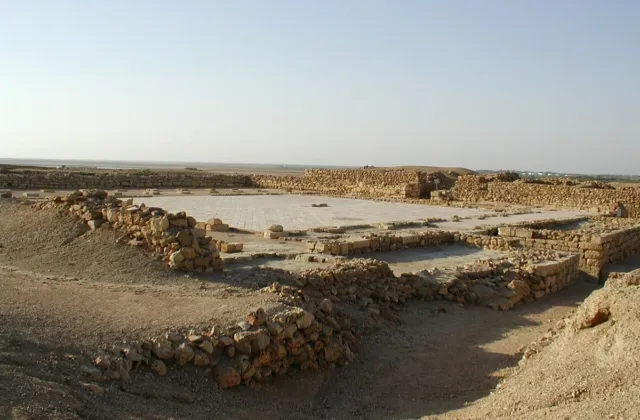
Mansura was the old capital of Arab Sindh, near modern Shahdadpur. If Khafif is counted as a Soomra, the dynasty began there. The city never recovered from the events of the 1020s.
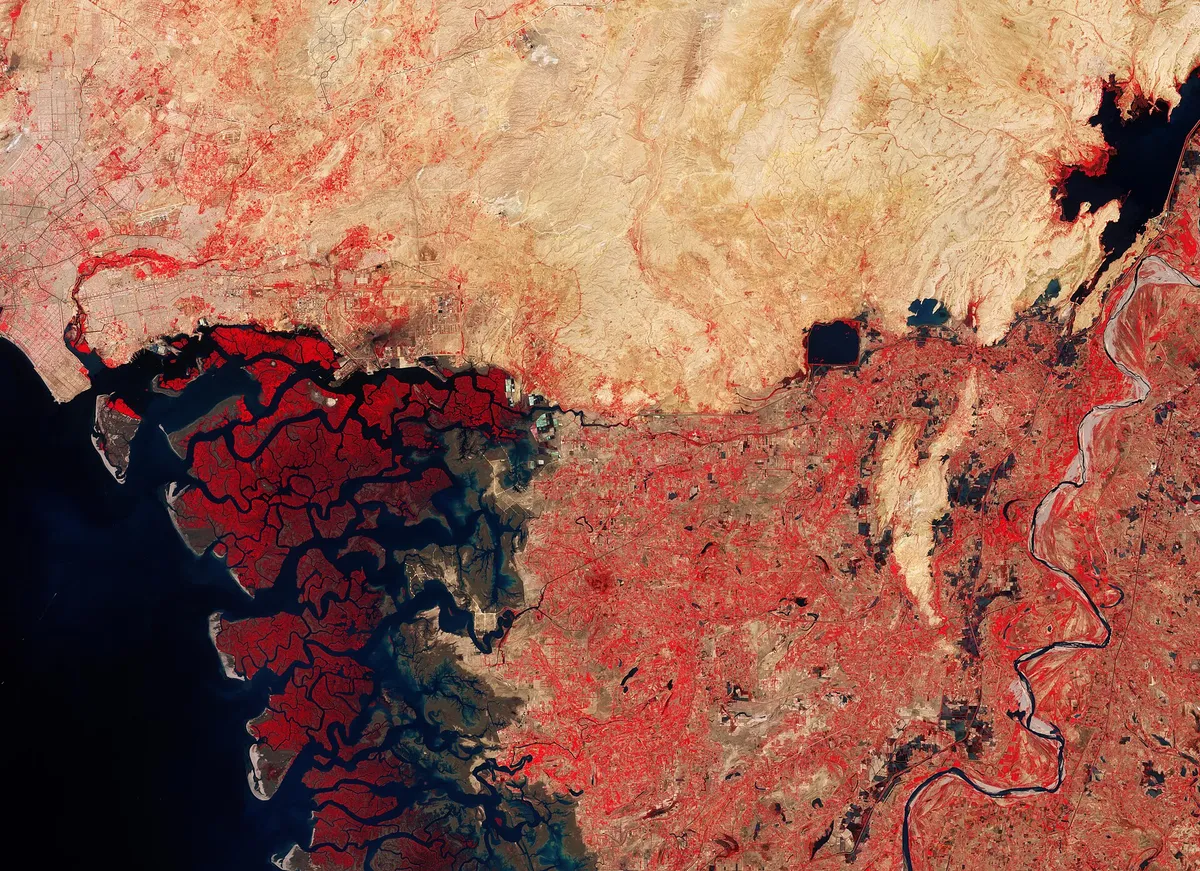
Thari, also written Tharri or Tharee, stood near Matli in today’s Badin district. It was the main seat for most of the eleventh and twelfth centuries. It sat on a branch of the river known as the Puran.
Muhammad Tur was built in the thirteenth century. Its ruins lie in the south of Jati taluka, in the area of Shah Kapur. Local historians give the name in several forms, and no one is quite sure what Mahatam or Muhatam meant.
The researcher M. H. Panhwar, in his Illustrated Historical Atlas of Soomra Kingdom of Sindh, argued that these moves followed changes in the course of the Indus. When a river branch dried up, a capital on its bank lost its water, its trade and its value. Some writers add Thatta as a late Soomra centre, but the city is far better known as the capital of the Sammas who came after.
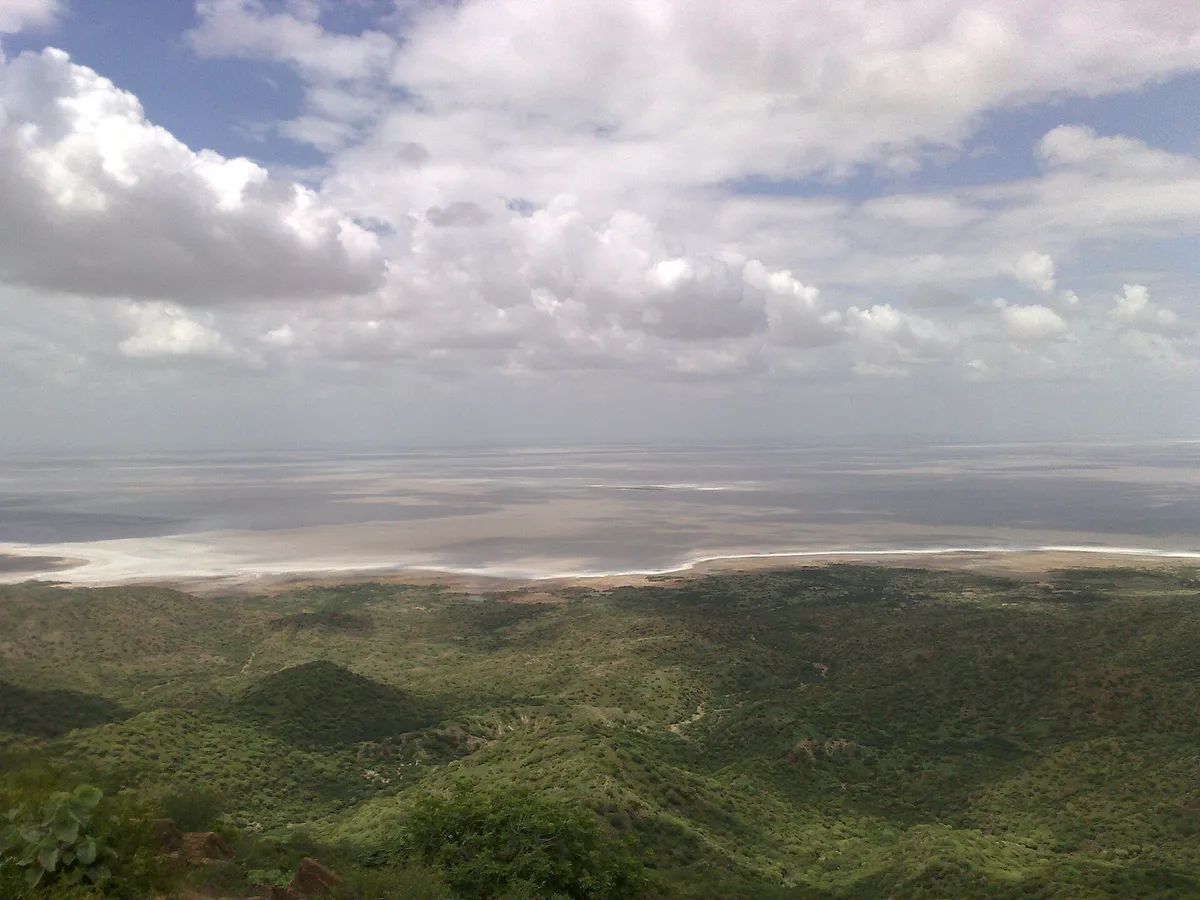
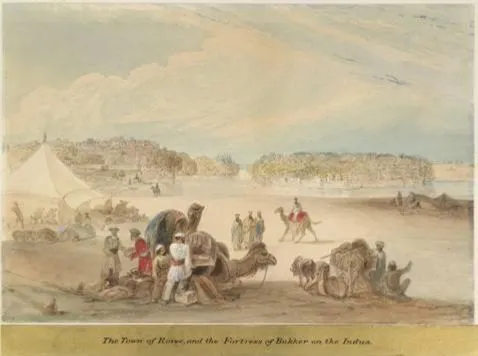
Another site tied to the Soomras is Rupa Mari, south of Badin, on the edge of the Rann of Kutch. Writing in The Express Tribune, the travel writer Salman Rashid describes a low clay mound and a simple grave there. Local tradition names the ruins after the queen of Bhoongar and calls the grave that of Dodo. Rashid is careful to call this a local belief.
Religion, Learning and the Sindhi Language
The Soomra age matters for more than politics. It was a time when Islam spread widely in the countryside and when the Sindhi language began to be written and taught more widely.
Ismaili Links and Sufi Centres
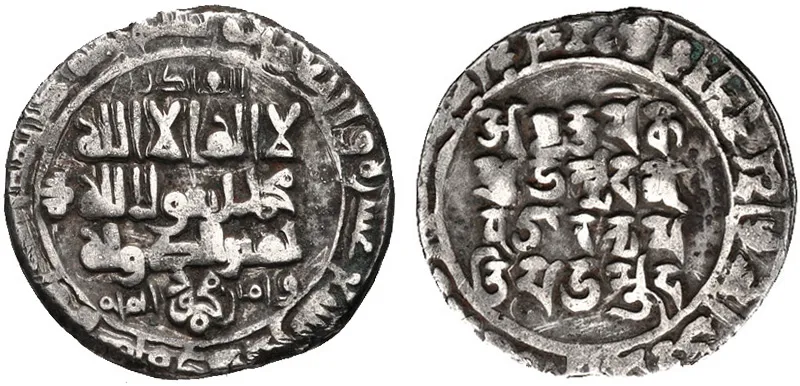
Some of the early Soomras followed Ismaili Shia Islam. Arab travellers called them Qarmatians, and a letter from the Fatimid caliph al Mustansir to Sindh has been found. Rare coins from Sindh carry the names of the Fatimid caliphs al Zahir and al Mustansir, who ruled between 1021 and 1094. These details are summarised on the Wikipedia page on the dynasty.
Over time, Sunni Sufi orders gained ground as well. Siddiqui writes that the Soomra government kept religious harmony and that Ismaili preachers had friendly ties with Sunni Sufis. Several famous figures lived in this period:
- Shaikh Nooh Bakhri (about 1144 to 1235 AD) ran a Suhrawardi lodge and school on the island of Bakhar in the Indus.
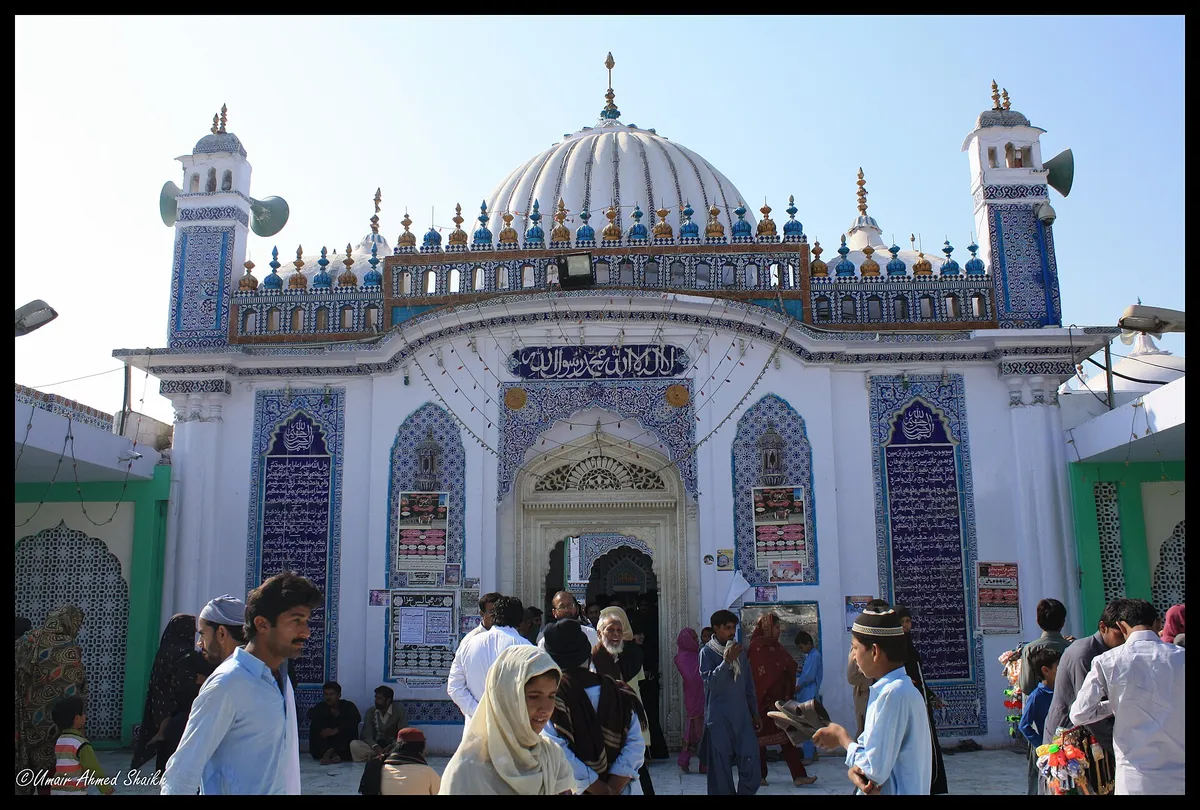
- Makhdoom Usman Marwandi, known as Lal Shahbaz Qalandar (died 1274 AD), taught at the madrassah in Sehwan.
- Pir Patho and Shah Jamil Datar preached in the Thatta region in the thirteenth century.
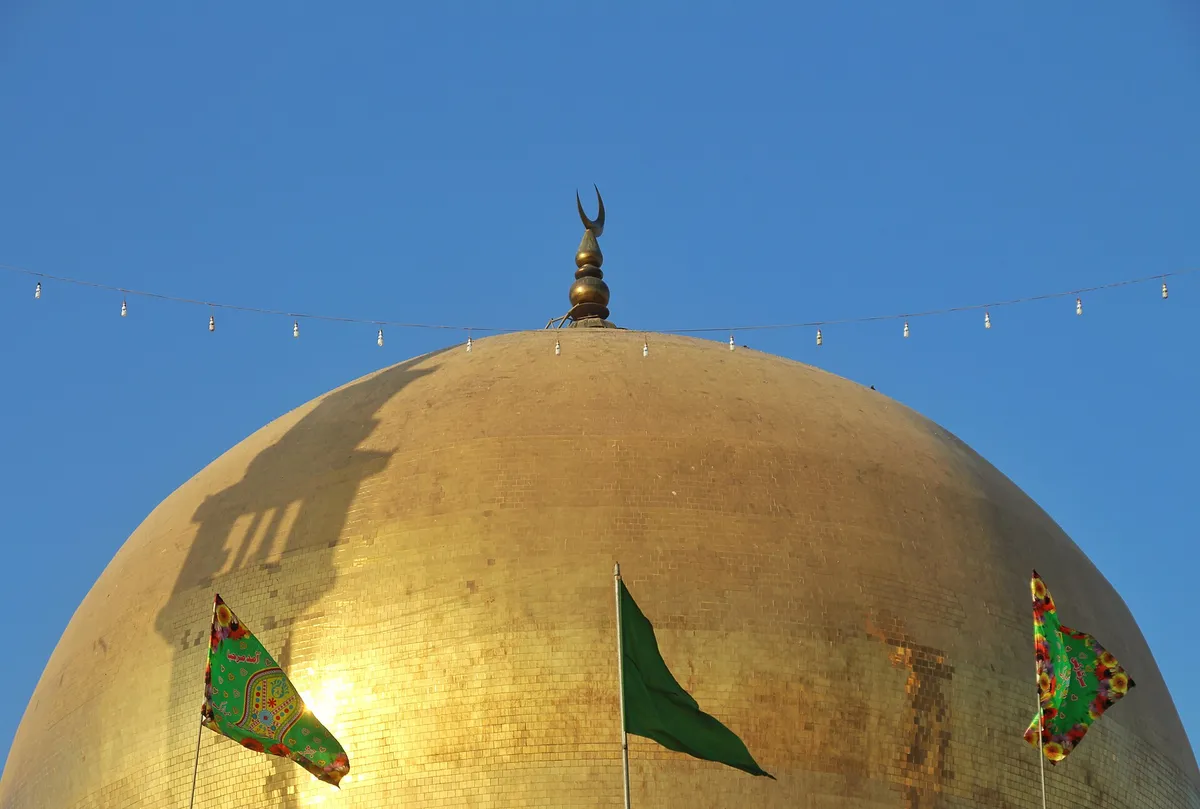
Siddiqui also says Usman Marwandi wrote five textbooks for his madrassah. Only the titles are left today, among them Mizan i Sarf and Ajnas. When Ibn Battuta passed through Sehwan in September 1333, he stayed at this same school.
Schools also existed at Agham Kot, at Muhammad Tur and at a village called Jinhan Soomro. According to Siddiqui, Sindhi was used as a language of teaching and of poetry. He quotes a short verse by a poetess known as Salkah Majzoobah as an early example of Sindhi verse from the period.
This story of language and learning should be read with some care. Most of it comes from later tradition and from modern Sindhi scholarship. The general picture, though, is widely accepted. The Soomra centuries laid much of the groundwork for Sindhi culture as it was later known.
Dodo Chanesar Between Legend and History
No account of the Soomras is complete without the ballad of Dodo and Chanesar. Bards sang it across Sindh and Kutch for centuries, and it exists in many versions.
In the most common telling, a Soomra king has two wives. One, of humble birth, bears a son named Chanesar and a daughter named Bhagi. The other, a Rajput, bears a son named Dodo. The king dies. The nobles pass over Chanesar and crown Dodo, whose mother came from a Rajput house. Chanesar goes to Delhi and asks Sultan Alauddin Khalji for help.
A Delhi army marches into Sindh. Peace talks fail when the invaders demand Bhagi for the sultan’s household. Dodo fights and falls in battle. The royal women are placed under the protection of Abro Jam, who defends them to the last. This idea of saam, or sworn protection, is still central to how the story is told.
What does history say? According to Salman Rashid’s account in The Express Tribune, a Delhi army under Zafar Khan did enter Sindh around 1297 to 1298, when Chanesar son of Tai was ruling. But its aim was to drive out a Mongol force that was raiding near Sehwan. It is not known whether Chanesar asked for that help.
Rashid suggests that over generations a small kernel of fact was wrapped in a thick layer of romance. The Abro episode, for instance, might belong to a different war. Siddiqui reaches a similar view in his own work. It is best to read the ballad as literature that preserves the values of the age, such as honour, loyalty and protection of guests. It should not be read as a battle report.
The Fall of the Soomras and Rise of the Sammas
The end came in the fourteenth century. The Sammas, an old tribe of lower Sindh, had long been allies of the Soomras and sometimes rivals. Ibn Battuta reports that the Sammas were in revolt in 1333.
According to the Wikipedia summary of Samma history, the Sammas overthrew the Soomras soon after 1335. The last Soomra ruler then sought shelter with the governor of Gujarat, who served Sultan Muhammad bin Tughluq. The sultan led an expedition into Sindh in 1351 and died there, possibly while trying to restore the Soomras.
After his death, the Samma chief Jam Unar was free to rule Sindh. He made the dynasty independent of Delhi. The Sammas took the title of Jam and ruled from Samanagar, today’s Thatta. Their great monument is the cemetery on Makli Hill near Thatta.
Britannica sums up the change simply. The Soomras ruled “for more than three centuries”, after which the Sammas replaced them and kept Sindh until it was conquered by the Mughal emperor Akbar.
The Kingdom of Umarkot and the Tale of Umar Marvi
The fall of the main line did not wipe out the family. Siddiqui records that Hamir carried on as a ruler in exile for a few years. Soomra chiefs then held Umarkot, on the edge of the Thar desert, for close to another century. He names Umar (about 1355 to 1390 AD), Bhoongar V and Hamir II, who is said to have ruled until about 1440 AD.
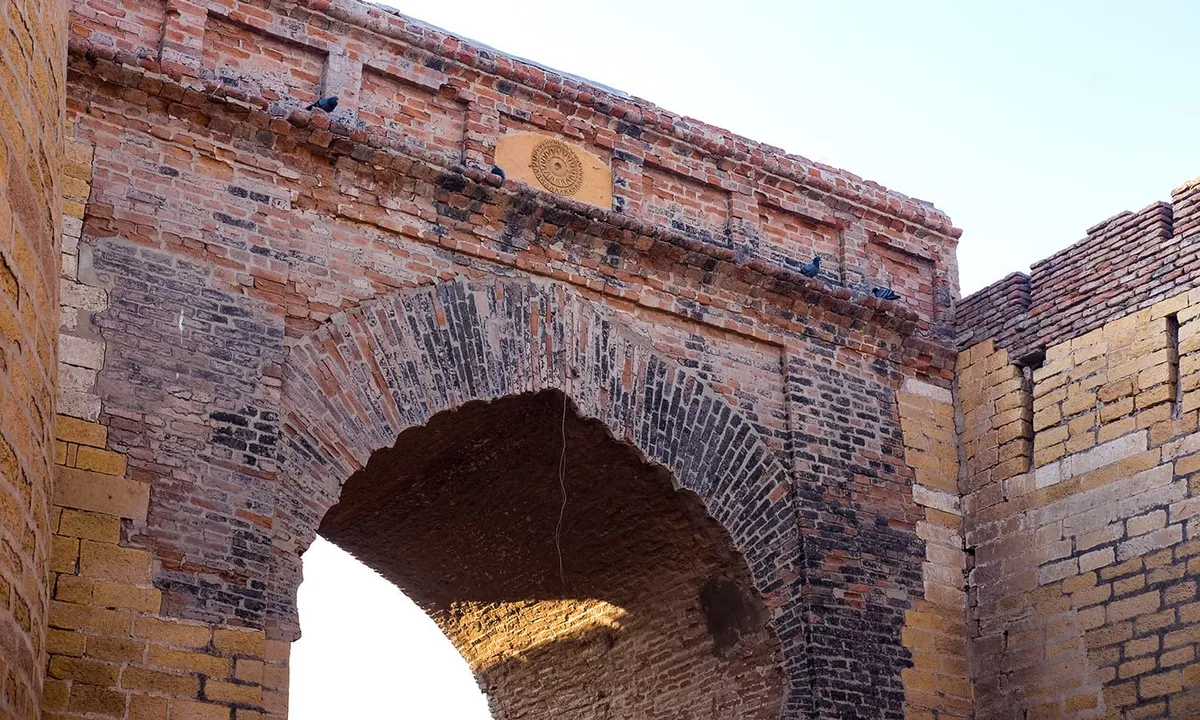
This later kingdom is the setting for one of Sindh’s best loved folk tales, Umar Marvi. In it, Umar Soomro, ruler of Umarkot, carries off Marvi, a village girl from the desert. He keeps her in his fort and offers her a life of luxury as his queen. Marvi refuses, longing for her family, her people and the simple life of the Thar desert.
The story is generally dated to the Soomra period. It was retold by Shah Abdul Karim of Bulri and later, most famously, in the Sur Marui of Shah Abdul Latif Bhittai. In Sindh, Marvi has become a symbol of loyalty to one’s own soil.
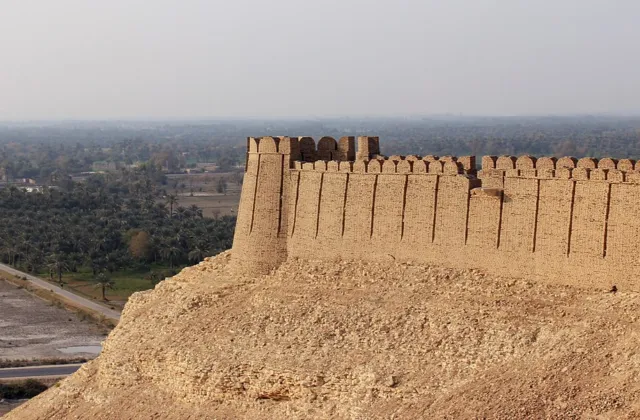
It is worth stressing that the Umar of the folk tale cannot be fixed to one historical ruler with certainty. Different writers place him at different points in the Soomra line. The Umarkot fort that visitors see today was also rebuilt many times, long after the Soomras.
The Lasting Legacy of the Soomra Age
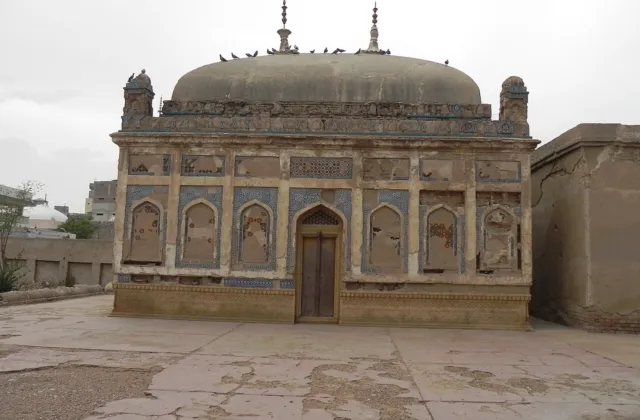
What did three centuries of Soomra rule leave behind? Not many buildings, to be honest. The real legacy is harder to point at.
Local rule. The Soomras showed that Sindh could be governed by its own people rather than by governors sent from far away. The Sammas, and later the Kalhoras and the Talpur Mirs, continued that pattern in their own ways.
Tribal alliances. Soomra power rested on agreements with many tribes. Later rulers of Sindh leaned on the same kind of tribal deals.
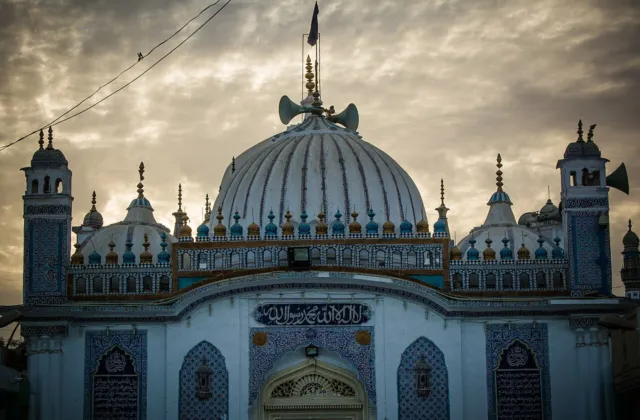
Religious life. The period saw Ismaili preachers and Sunni Sufis working side by side. Shrines like those at Sehwan and Bakhar became lasting centres of devotion.
Language and literature. The ballads of Dodo Chanesar and the tale of Umar Marvi, both set in Soomra times, became core texts of Sindhi literature. Through Bhittai’s poetry they still reach readers today.
Think about what we actually hold. One court poem. A few worn coins. Letters from a Multan governor. Songs carried from bard to bard for six hundred years. That is close to all of it, so any very exact date for a Soomra king deserves a second look.
Frequently Asked Questions About the Soomras
When did the Soomra dynasty rule Sindh?
The Soomras ruled from about 1025 or 1026 AD to 1351 AD. Some Sindhi historians start the period around 1010 AD, depending on whether Khafif of Mansura is counted as a Soomra. A branch of the family held Umarkot until about 1440 AD.
What was the capital of the Soomra dynasty?
The main early capital was Thari, near Matli in Badin district. Later the Soomras built Muhammad Tur in the Jati area. Mansura served briefly at the very start, if the dynasty is dated from Khafif.
Who was the last ruler of the Soomras?
Most scholars name Hamir, son of Dodo, as the last Soomra ruler of Sindh. The Sammas removed him in the middle of the fourteenth century, after which Soomra rule continued only at Umarkot.
Were the Soomras Arabs or Rajputs?
Nobody can say for sure. Family chroniclers said Arab. Akbar’s court record, the Ain i Akbari, said Rajput. Some modern scholars think they were simply Sindhi, and Dr. N. A. Baloch argued for a mix of Arab and Sindhi ancestry.
Is the Dodo Chanesar story true?
It is partly based on real events. A Delhi army did enter Sindh around 1297 to 1298 during Chanesar’s reign. The romantic details of the ballad, however, grew over centuries of retelling and should be read as literature.
Who replaced the Soomras in Sindh?
The Samma dynasty replaced them. Its founder Jam Unar became independent of Delhi after the death of Muhammad bin Tughluq in 1351. The Sammas ruled from Thatta until the early sixteenth century.
Sources and Further Reading on the Soomras
The main sources used for this article are listed below. Readers who want to go deeper may also look for N. A. Baloch’s Soomran jo Daur (Sindhi Adabi Board, 1980) and M. H. Panhwar’s Illustrated Historical Atlas of Soomra Kingdom of Sindh.
- Habibullah Siddiqui, The Soomras of Sindh: their origin, main characteristics and rule, Literary Conference on Soomra Period in Sindh, University of Karachi.
- Encyclopaedia Britannica, Sumra family.
- Salman Rashid, The legend of Dodo Chanesar, The Express Tribune, May 2012.
- Wikipedia, Soomra dynasty and Samma dynasty, for summaries of the coin evidence, the Farrukhi account and the Samma takeover.
Photographs in this article come from Wikimedia Commons and are used under their stated licences, credited under each image.

Leave a Comment