

Ask anyone from Sindh what makes their land special, and you will rarely get a short answer. They will tell you about the Indus, about the verses of Shah Abdul Latif that elders still recite from memory, about a plate of biryani shared at a wedding, and about the Ajrak their mother keeps folded in a trunk for special days. All of that together is what we call Sindhi culture, or Sindhi saqafat.
In this article (30)
- The Origin of Sindhi Culture
- Sindhi Food and Drinks
- Sindhi Biryani and Sindhi Pulao
- Everyday and Seasonal Dishes
- Lassi, Thadal and Sweets
- Sindhi Dress and Cultural Items (Ajrak, Topi, Ralli)
- Sindhi Ajrak
- Sindhi Topi
- Ralli (Quilt)
- Other Crafts of Sindh
- Sindhi Traditions
- Music and Dance
- Traditional Sports
- Sindhi Culture Day
- Features of Sindhi Culture
- The Land of Sufis
- Folk Tales and Love Stories
- Interfaith Harmony
- Historic Places
- Main Festivals of Sindh
- The Sindhi Language
- Sindhi Hospitality
- Preserving Sindhi Culture
- Frequently Asked Questions about Sindhi Culture
- What is Sindhi culture famous for?
- When is Sindhi Culture Day celebrated?
- What colours are used in Ajrak?
- How many letters are there in the Sindhi alphabet?
- Which is the most popular Sindhi dish?
- Sources and Further Reading
Culture is the whole way of life of a people. It covers language, beliefs, food, clothing, music, customs, crafts and the small daily habits passed from one generation to the next. In Urdu and Sindhi the word for it is saqafat. In this guide I walk you through Sindhi culture from its roots in the Indus Valley to the food, dress, festivals, Sufi heritage, language and famous hospitality of Sindh today.
The Origin of Sindhi Culture
Sindhi culture is one of the oldest living cultures in the world. Its roots go back at least 5,000 years, and archaeology suggests that settled village life in the region is older still. For centuries Sindh has been known as a land of Sufis, peace and love, and as a place where trade, farming and learning grew side by side along the river.
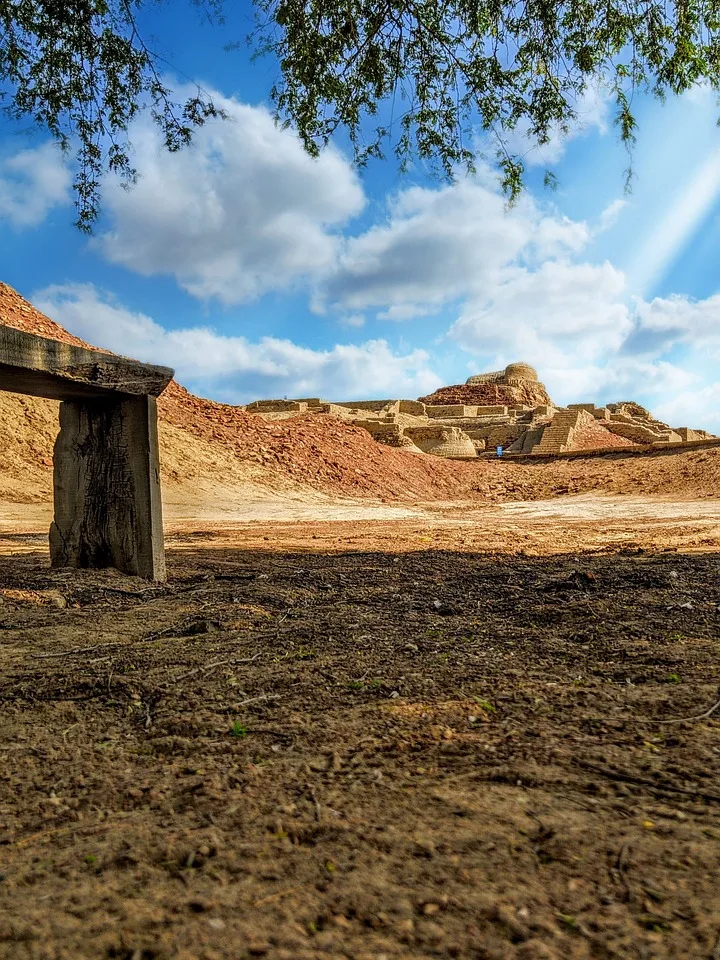
The best known chapter of this story is Mohenjo Daro, near Larkana. The city flourished around 2500 BCE and was one of the largest settlements of the Indus Valley Civilisation. UNESCO added its ruins to the World Heritage List in 1980. What still surprises visitors is how carefully it was planned. Streets ran in a grid, houses were built with baked bricks of a standard size, many homes had their own wells and bathing areas, and covered drains carried waste water away from the houses. Few cities of the ancient world had anything like it.
Excavations have also given us seals carved with animals and an undeciphered script, beads, pottery, toys, weights and measures, and famous figures such as the “Priest King” and the bronze “Dancing Girl”. No grand palaces or large stores of weapons have been found, which is why many historians describe the city as a place of trade, order and relative peace.
Some researchers believe the story starts even earlier. Sites such as Amri and Kot Diji show farming communities in Sindh that existed before the great cities rose. Later, Sindh saw the spread of Buddhism, the Arab conquest of 711 CE under Muhammad bin Qasim, and rule by local dynasties such as the Soomras, Sammas, Arghuns, Tarkhans, Kalhoras and the Talpur Mirs. Each of them left something behind in language, food, architecture and faith, and that layering is a big part of why Sindhi culture feels so deep.
Sindhi Food and Drinks
Sindhi food is tasty, filling and closely tied to the seasons. Some dishes appear only in winter, others only when the summer heat sets in, and the Indus itself decides which fish reaches the table.
Sindhi Biryani and Sindhi Pulao
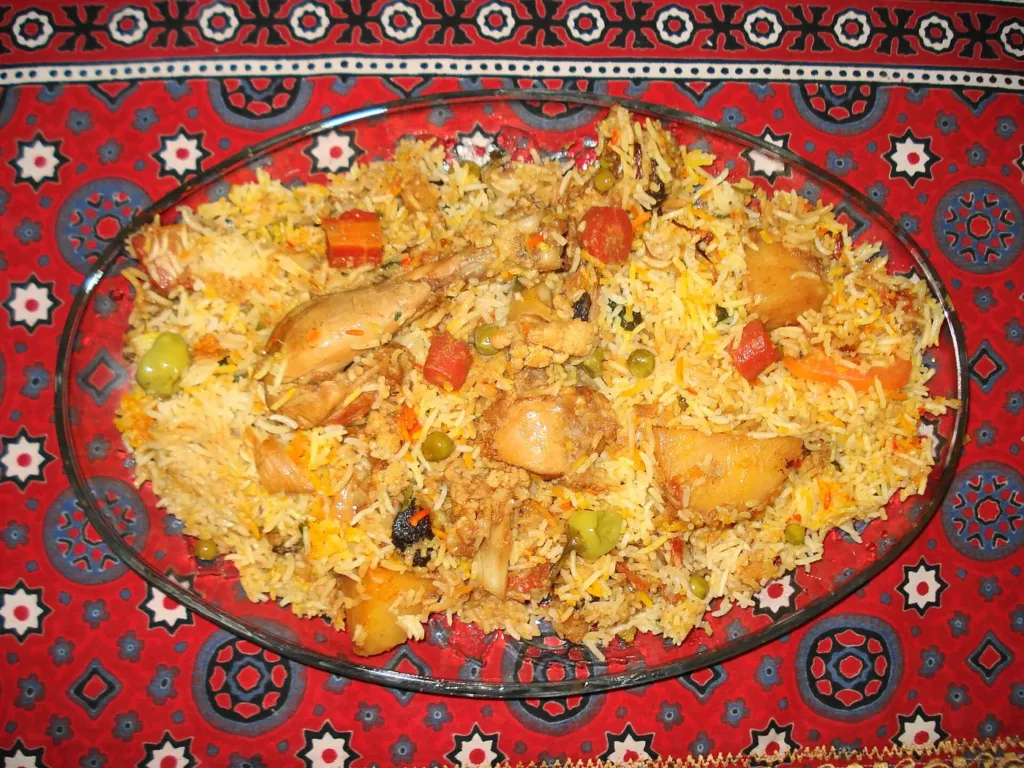
Sindhi biryani is probably the most famous dish of the province. It is layered rice cooked with meat, potatoes, yoghurt, green chillies, dried plums (aloo bukhara) and plenty of spice. Its gentler cousin, Sindhi pulao, is cooked in huge pots for weddings and family gatherings, and also for afsos and tazia gatherings when relatives come to offer condolences. Today you will find both in homes and restaurants all over Pakistan.
Everyday and Seasonal Dishes
Green vegetables are eaten a lot across Sindh. In the winter months the most common meal in villages is rice roti with palak (spinach), often with a lump of fresh butter on top. Other favourites include:
- Sai bhaji, a slow cooked mix of spinach, lentils and vegetables, usually eaten with rice.
- Bhee, lotus stem cooked with meat or potatoes, a dish many Sindhis miss the most when they live abroad.
- Dhodho, a thick flatbread made from millet or maize flour, eaten with greens in winter.
- Sindhi kadhi, a sour curry made with gram flour, tamarind and vegetables.
- Koki, a crisp, thick roti with onions and green chillies, a classic breakfast.
- Palla fish, the prized river fish of the Indus, best known around Kotri and Jamshoro and cooked with local spices.
Sindhi people also use a lot of butter, ghee and milk. For generations most families worked in the fields, looked after crops and livestock and walked long distances, so they needed high energy food that kept them strong and full through a long day. That habit is still visible on rural dinner tables.
Lassi, Thadal and Sweets
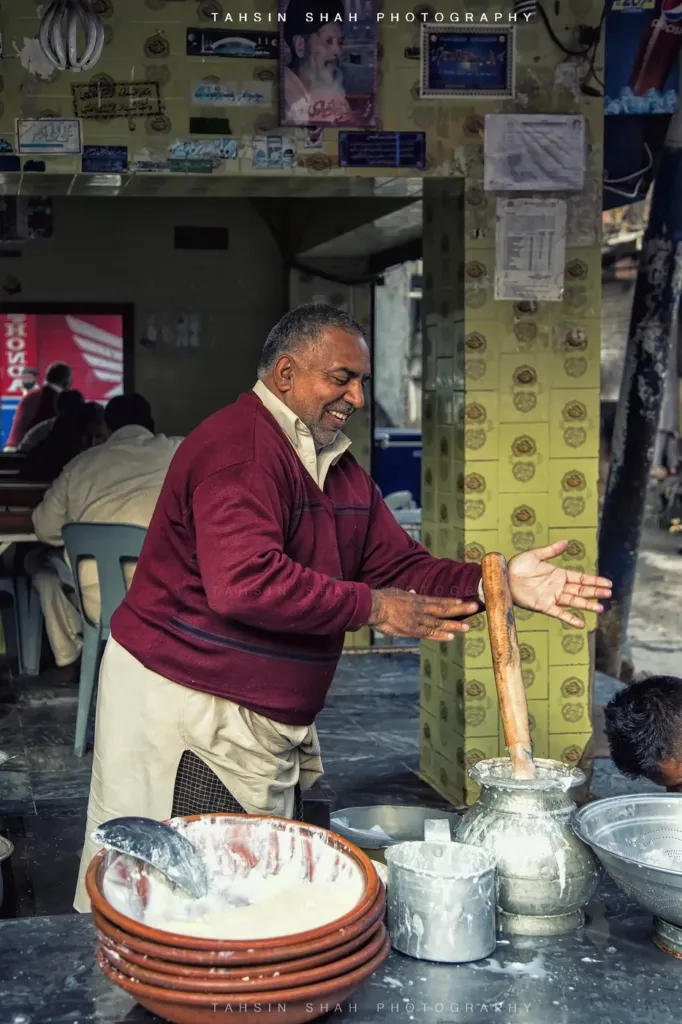
Lassi is a yoghurt drink churned with water and sometimes a little salt or sugar. In the hot summer months a big glass of lassi after lunch is almost a ritual. It is cooling, rich in nutrients and good for digestion. Thadal is another summer favourite, a chilled milk drink flavoured with almonds, fennel, poppy seeds and cardamom.
For dessert, Sindh is known for its halwa, the sweet flatbread called lolo, rabri and, of course, its fruit. Sindhri mangoes from Mirpur Khas and dates from Khairpur are sent all over the country and abroad.
Sindhi Dress and Cultural Items (Ajrak, Topi, Ralli)
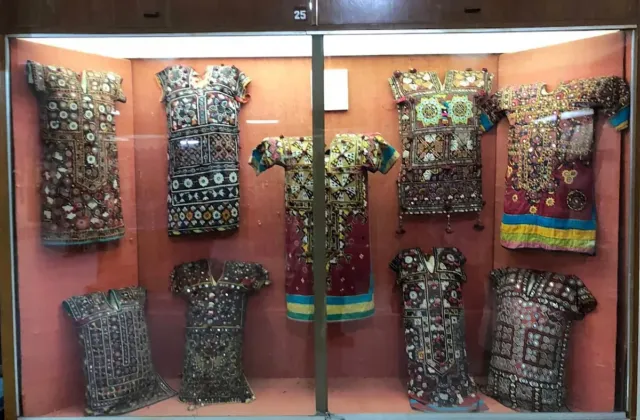
Sindhi clothing is colourful and full of handwork. Women traditionally wear shalwar kameez or a long shirt called a cholo, often decorated with gaj embroidery and tiny mirrors (shisho). In Tharparkar and other rural areas many women wear a wide skirt known as a ghagro or paro, with rows of bangles on their arms. Men usually wear a kurta and pajama or shalwar kameez, with a lungi or a turban (pagg) in many villages, and leather khussa shoes on their feet.
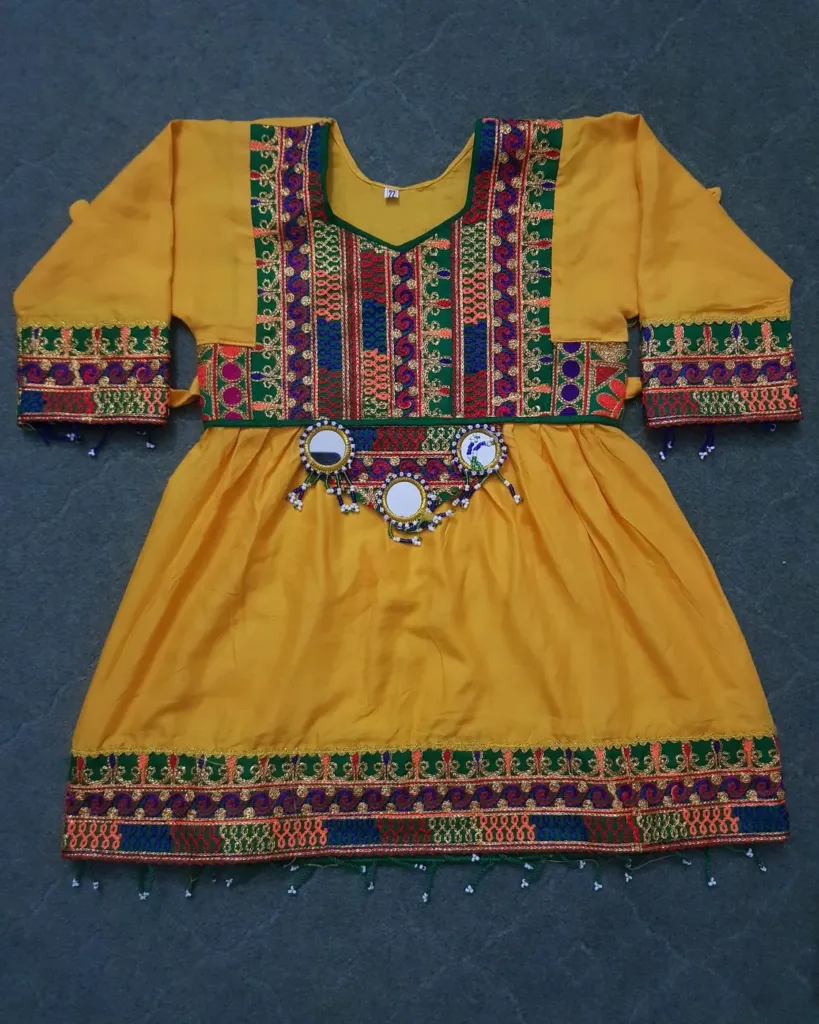
Some cultural items from Sindh are so loved that they are now used across Pakistan and exported around the world.
Sindhi Ajrak
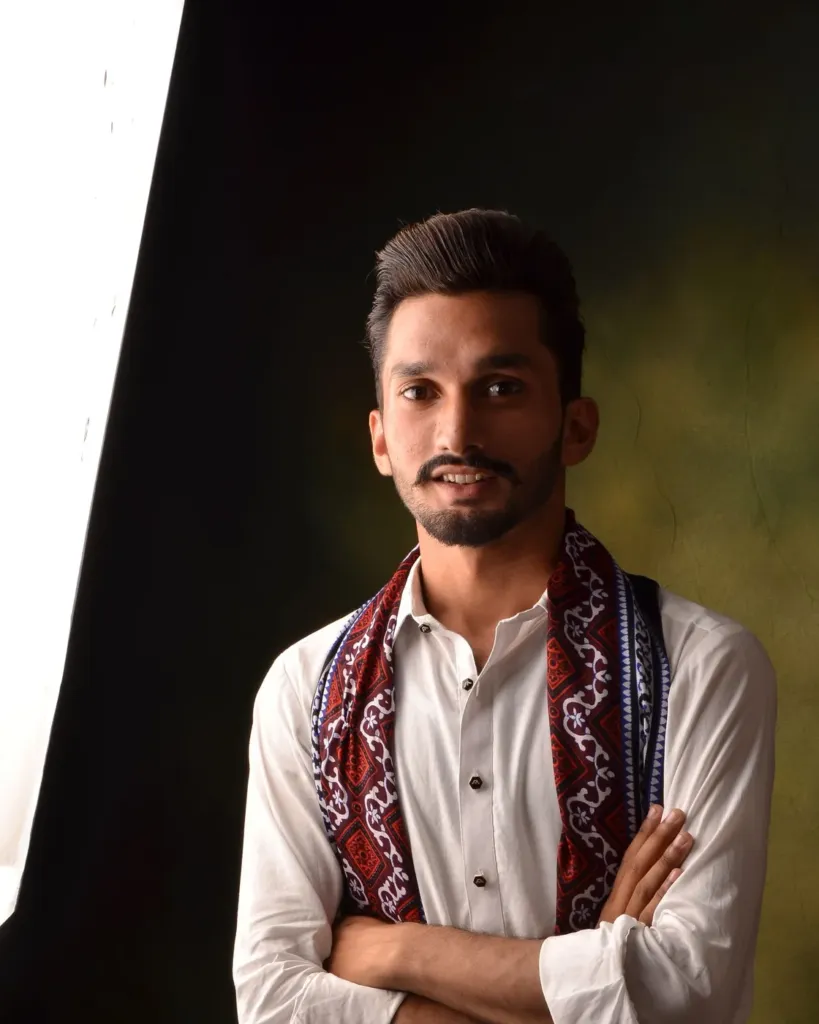
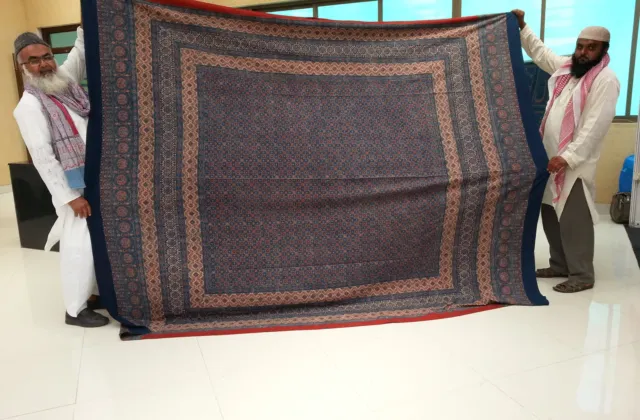
The Ajrak is a block printed shawl, mainly in deep crimson red and indigo blue, with black and white details. Its patterns are geometric stars and floral motifs carved into wooden blocks. Traditional Ajrak is made with natural dyes and goes through many rounds of printing, dyeing, washing and drying, so a single piece can take many days of careful work. Towns such as Matiari, Hala and Bhit Shah are known for it. Men wear it on the shoulder or as a turban, and women wear clothing and dupattas made from Ajrak.
Sindhi Topi
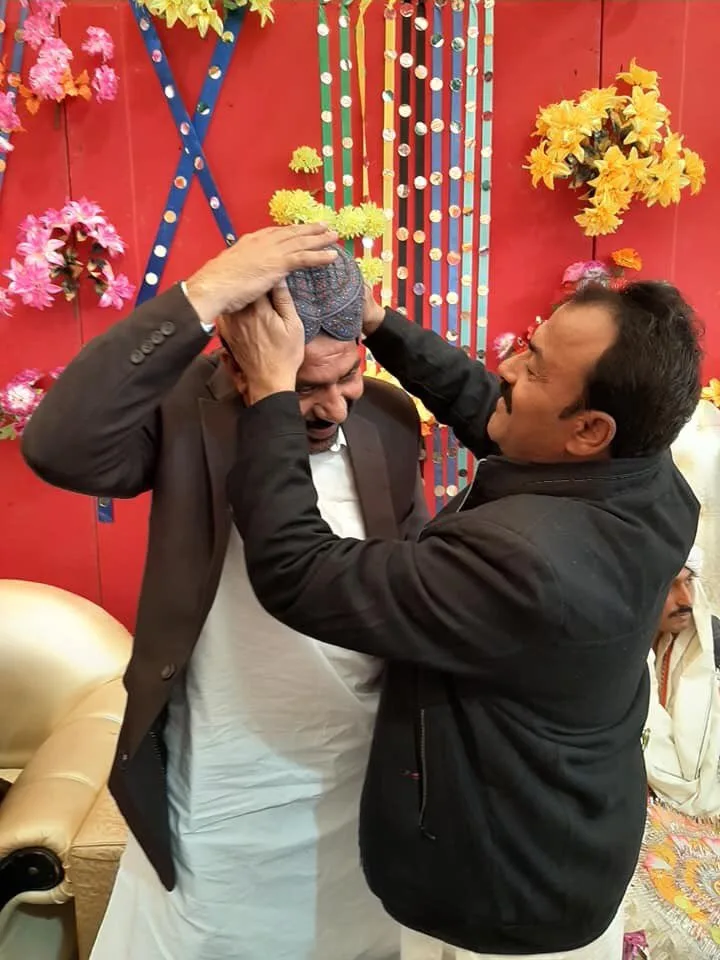
The Sindhi topi is a round cap covered in colourful embroidery and small mirrors, with an arch cut out at the front. It is one of the most commonly used cultural items in Sindh. Placing a topi on a guest’s head, often together with an Ajrak, is one of the highest forms of respect a Sindhi family can show.
Ralli (Quilt)
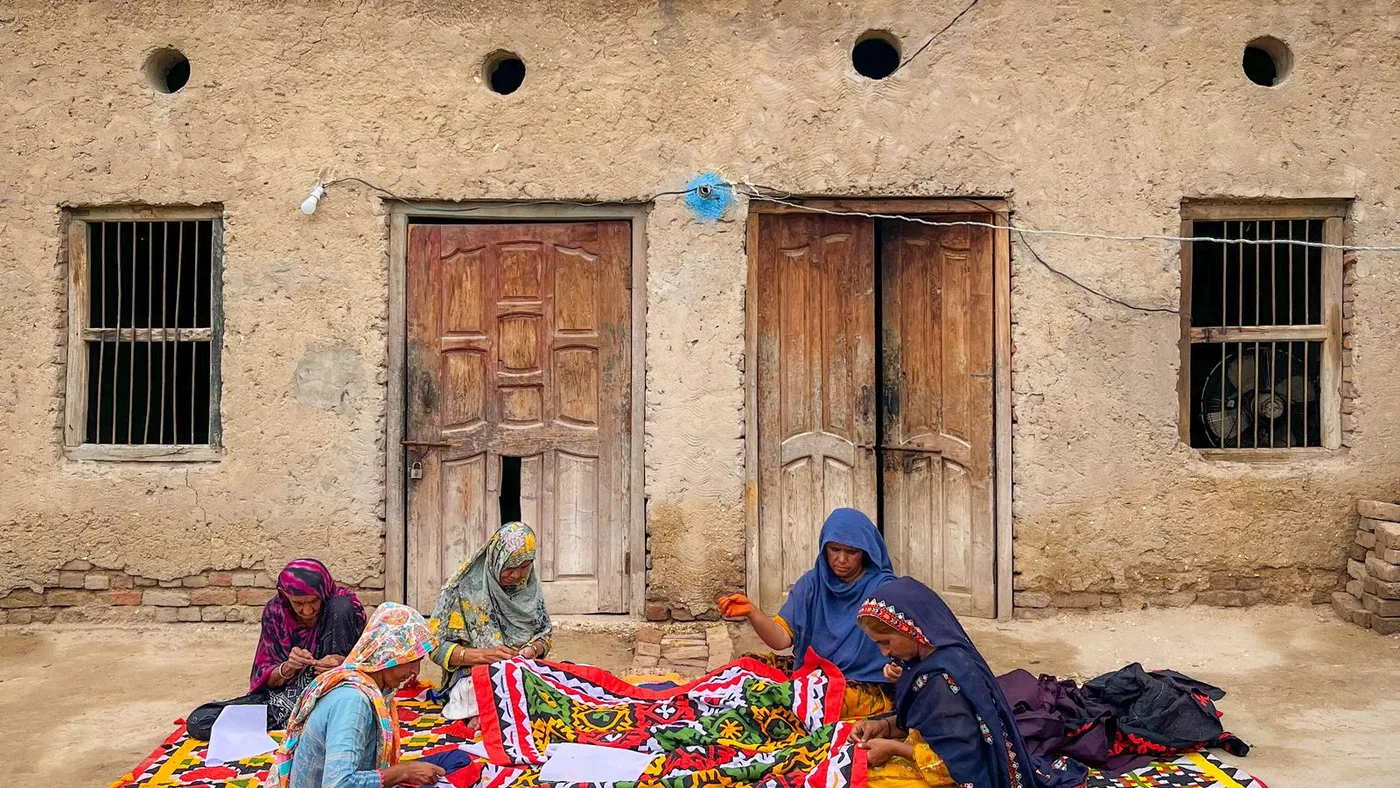
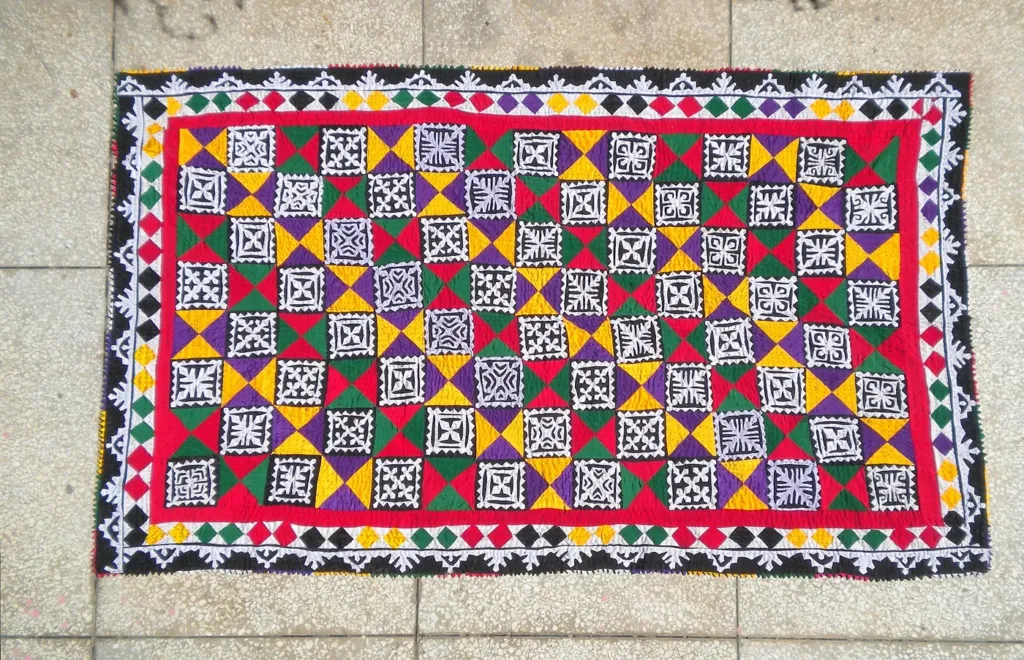
The ralli is a traditional Sindhi quilt, hand stitched by women from patches of coloured cloth. Some rallis use simple squares, while others carry complex appliqué patterns that take months to finish. A ralli is used as a bedspread, as a floor covering for guests and as an important part of a bride’s dowry. Good rallis are now sold in craft markets across the world.
Other Crafts of Sindh
Sindhi culture is also visible in its crafts. Hala is famous for lacquered woodwork known as jandi, blue glazed kashi tiles and pottery. Thar is known for embroidery, woollen carpets and colourful clay work. These skills are usually taught at home, from mothers to daughters and from fathers to sons.
Sindhi Traditions
Traditions vary from one district to another, but some customs are shared across Sindh. Cultural items such as Ajrak, topi and ralli are given as gifts to guests, relatives and anyone a family wants to honour.
Weddings are the best place to see Sindhi traditions in full colour. Women wear Ajrak clothing and their brightest embroidered dresses. The mehndi night is filled with folk songs called lada, sung by the women of the family, and singers perform Sindhi songs about love, longing and the hopes of the new couple.
Another old tradition is the autaq, a guest room or sitting place where the men of a village gather in the evening. Elders settle disputes there, news is shared, and poetry and stories keep the night alive. A related custom is the kachehri, an evening gathering where people sit in a circle to talk, sing and recite verses.
Music and Dance
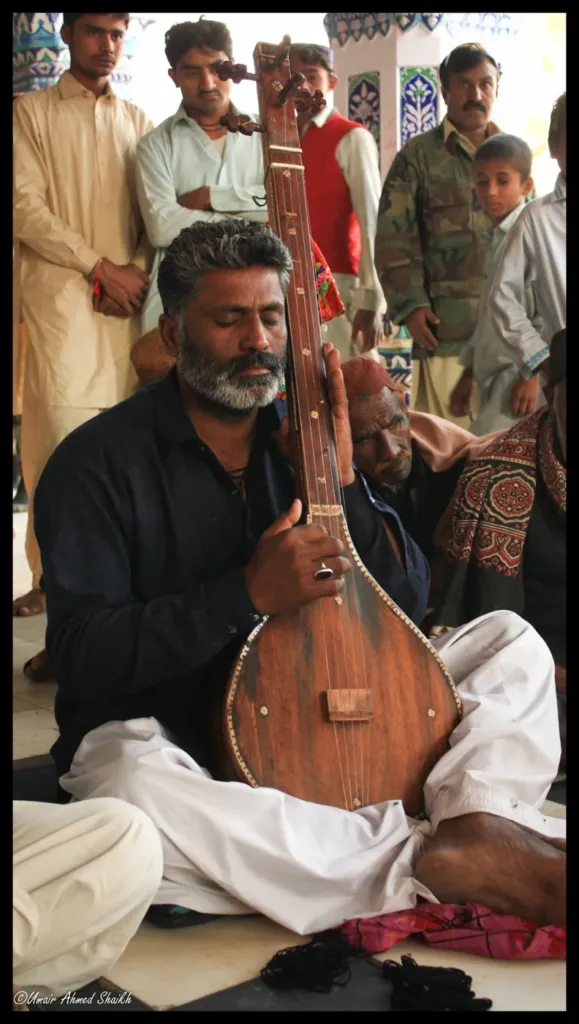
Music runs through every part of Sindhi life. Traditional instruments include the alghozo (a double flute), the borrindo (a small clay wind instrument similar to ones found at ancient Indus sites), the yaktaro, the dhol and the tamburo, a long necked string instrument played by the fakirs of Bhit Shah. Folk legends such as Allan Fakir, Mai Bhagi and Abida Parveen carried Sindhi music to audiences far beyond the province. At happy occasions people dance the jhumar, and the song “Ho Jamalo” is sung at almost every celebration.
Traditional Sports
Rural Sindh still enjoys malakhro, a traditional form of wrestling in which each wrestler ties a twisted cloth around the opponent’s waist. Matches are held at fairs and at the annual urs of many shrines, and they draw huge crowds. Children play wanjh wati (gilli danda) and kodi kodi, a local game similar to kabaddi.
Sindhi Culture Day
Sindhi Culture Day, also called Sindhi Ajrak and Topi Day or Ekta Day, is celebrated every year on the first Sunday of December. Sindhis mark it in Sindh and in every country where they live.
The day began on 6 December 2009, after a television anchor mocked the Sindhi topi that the then president wore on foreign tours. People across Sindh responded by wearing topis and Ajraks and coming out onto the streets in a peaceful show of pride. What started as a reaction became a yearly festival that highlights the peaceful identity of the community and draws attention to its heritage.
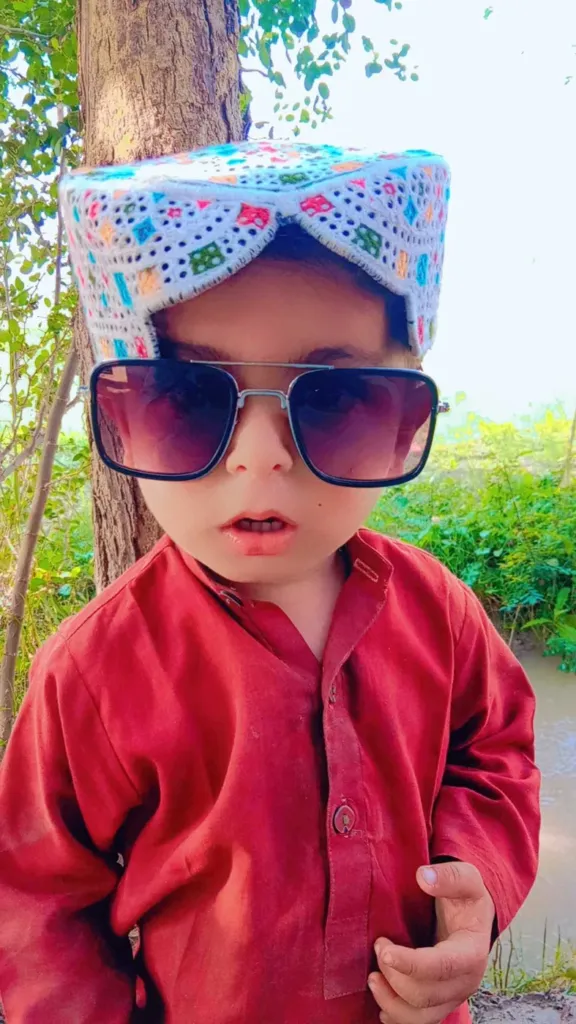
On this day nearly everyone wears traditional Sindhi clothes along with Ajrak and topi. Rallies are held in towns and cities across the province, the country and abroad. Roads, press clubs and buildings are decorated with Ajraks, and schools and colleges hold events to teach students about Sindhi history and culture. The song “Jeay Sindh Jeay, Sindh Wara Jeean” plays everywhere.
Many families spend the day by the Indus, which people lovingly call Darya Sindh. At home, they cook special meals such as Sindhi pulao, fish and rice roti to make the day feel extra special.
Features of Sindhi Culture
The Land of Sufis
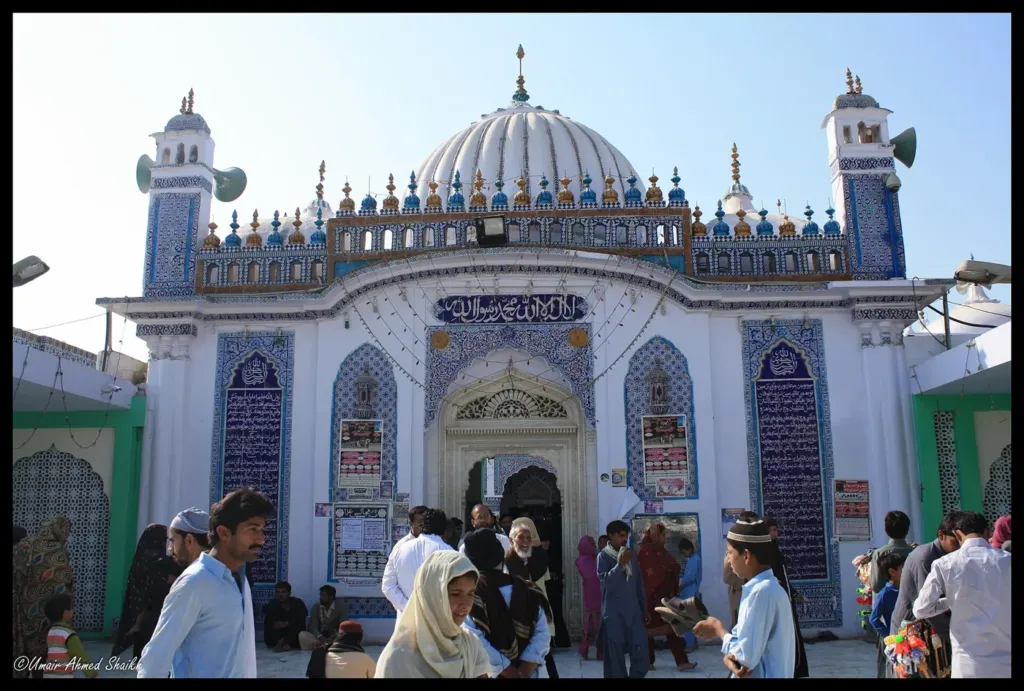
Sindh is known as a land of Sufis, love and peace. Great Sufi saints are part of its history, including Shah Abdul Latif Bhittai, Lal Shahbaz Qalandar, Sachal Sarmast and Abdullah Shah Ghazi, along with many others. Their message of humanity, tolerance and love for all people is the main reason Sindh is called the land of Sufis and peace.
Shah Abdul Latif Bhittai (1689 to 1752) is widely regarded as the greatest poet of Sindh, and many people call him the king of Sindhi poets. His verses were collected as Shah Jo Risalo and are still sung every night at his shrine in Bhit Shah. Lal Shahbaz Qalandar’s shrine in Sehwan is famous for its dhamal, Sachal Sarmast wrote poetry in seven languages, and the shrine of Abdullah Shah Ghazi in Clifton is one of the best known landmarks of Karachi.
Folk Tales and Love Stories
Sindh is full of love stories and folk tales. The best known are Suhni Mehar, Sassui Punhun, Umar Marvi, Moomal Rano, Noori Jam Tamachi and Leela Chanesar. The story of Laila Majnun is also loved here, as it is across the Muslim world. Shah Abdul Latif told many of these stories in Shah Jo Risalo, and in his poetry their heroines are called Shah ji Soormiyun, the Heroines of Shah. They are remembered for their courage, loyalty and devotion rather than for their beauty alone.
Interfaith Harmony
Sindh has always been a place of peace, humanity and interfaith unity. Muslims, Hindus and other communities have lived side by side here for centuries. Hindu families visit Sufi shrines, Muslim neighbours join festivals such as Cheti Chand, Holi and Diwali, and towns like Mithi in Tharparkar are often praised for this harmony. Read more in our guide to Tharparkar’s culture and history.
Historic Places
The culture of Sindh can also be seen in stone. The Makli Necropolis near Thatta, a UNESCO World Heritage Site since 1981, holds hundreds of thousands of graves and finely carved tombs. Ranikot Fort, often called the Great Wall of Sindh, and the Shah Jahan Mosque in Thatta are other places every visitor should see.
Main Festivals of Sindh
- Eid ul Fitr and Eid ul Adha, celebrated with new clothes, family visits and special food.
- Urs of Shah Abdul Latif at Bhit Shah and the urs of Lal Shahbaz Qalandar at Sehwan, which draw large crowds of devotees from all over Pakistan.
- Cheti Chand, the Sindhi Hindu new year linked with Jhulelal.
- Holi and Diwali, celebrated widely in Tharparkar, Umerkot and other districts.
- Sindhi Culture Day on the first Sunday of December.
The Sindhi Language
The Sindhi language is as old as Sindhi culture itself. It belongs to the Indo Aryan family of languages, is the official language of Sindh province, and is one of the oldest languages in the region that is still spoken today.
According to Pakistan’s 2017 census, about 30.3 million people in Pakistan spoke Sindhi as their mother tongue, which was 14.57% of the population. The 2023 census counted about 34.4 million Sindhi speakers, around 14.3% of the country. In India roughly 2.7 million people speak Sindhi, and it is one of the languages recognised in the Indian constitution.
In Pakistan, Sindhi is written in a script based on Arabic that was standardised in the 1850s. The Sindhi alphabet has 52 letters, more than Urdu or Arabic, because it needs extra letters for sounds that only Sindhi has. In India, it is also written in Devanagari. The main dialects include Vicholi (the standard form spoken around Hyderabad), Siroli in the north, Lari in the south and Thareli in the Thar desert.
Sindhi Hospitality
Sindhi hospitality is famous across Pakistan and beyond. Sindhis treat their guests with great respect and honour. Tourism in most of Sindh has not become commercial, because people see a guest as a blessing from God rather than a customer. In many villages a host will not let a guest spend even a single rupee.
A visitor is usually welcomed in the autaq, served tea or lassi, and then given a proper meal, often the best dish the house can offer. When a respected guest leaves, the family may place an Ajrak on his shoulders and a topi on his head. Ask anyone who has travelled in rural Sindh, and they will tell you that this warmth is what they remember most.
Preserving Sindhi Culture
Sindhi culture is a treasure, but parts of it are under pressure. Handmade Ajrak competes with cheap machine prints, young people move to the cities, and some crafts are slowly fading. The government, through bodies such as the Sindh Culture Department and the Sindhi Language Authority, needs to keep supporting artisans, museums and heritage sites.
Families have an equally important role. Speak Sindhi with your children, buy genuine handmade Ajrak and ralli, visit places such as Mohenjo Daro and Bhit Shah, and keep the old songs and stories alive. We are lucky to be part of such a proud heritage, and it is up to all of us to carry these traditions forward.
Frequently Asked Questions about Sindhi Culture
What is Sindhi culture famous for?
Sindhi culture is famous for its roots in the Indus Valley Civilisation, its Sufi poetry and shrines, the Ajrak and Sindhi topi, folk music, dishes such as Sindhi biryani, and its warm hospitality.
When is Sindhi Culture Day celebrated?
Sindhi Culture Day is celebrated every year on the first Sunday of December. It was first observed on 6 December 2009.
What colours are used in Ajrak?
Traditional Ajrak mainly uses deep crimson red and indigo blue, with black and white outlines. The colours were originally made from natural dyes such as madder and indigo.
How many letters are there in the Sindhi alphabet?
The Sindhi alphabet used in Pakistan has 52 letters.
Which is the most popular Sindhi dish?
Sindhi biryani is the best known Sindhi dish, while sai bhaji, palla fish and rice roti with palak are everyday favourites in Sindhi homes.
Sources and Further Reading
- UNESCO World Heritage Centre, Archaeological Ruins at Moenjodaro
- UNESCO World Heritage Centre, Historical Monuments at Makli, Thatta
- Pakistan Bureau of Statistics, Census 2023, Population by Mother Tongue
- Sindhi Cultural Day, background and history
Photo credits: all photos in this article come from Wikimedia Commons and are credited below each image with the photographer’s name and licence.

Leave a Comment