 Photo: Saqib Qayyum · CC BY-SA 3.0
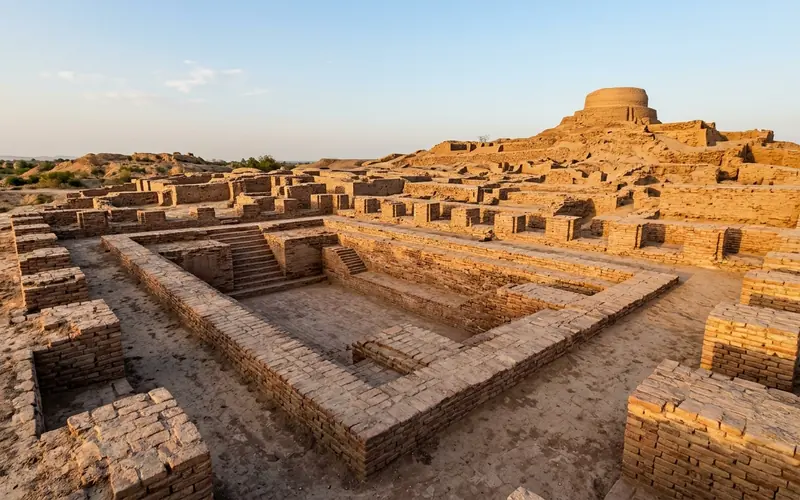 Photo: Soban · CC BY-SA 3.0
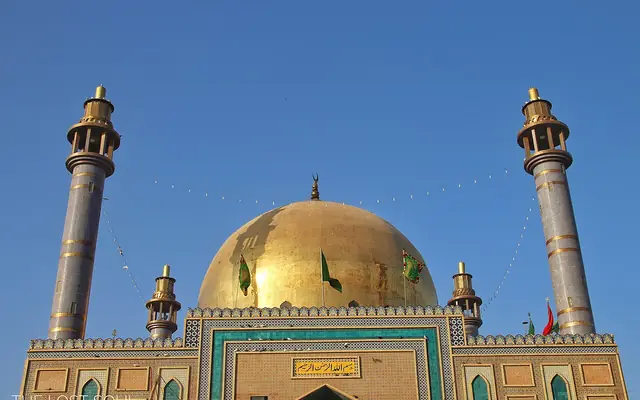 Photo: Fassifarooq · CC BY-SA 4.0
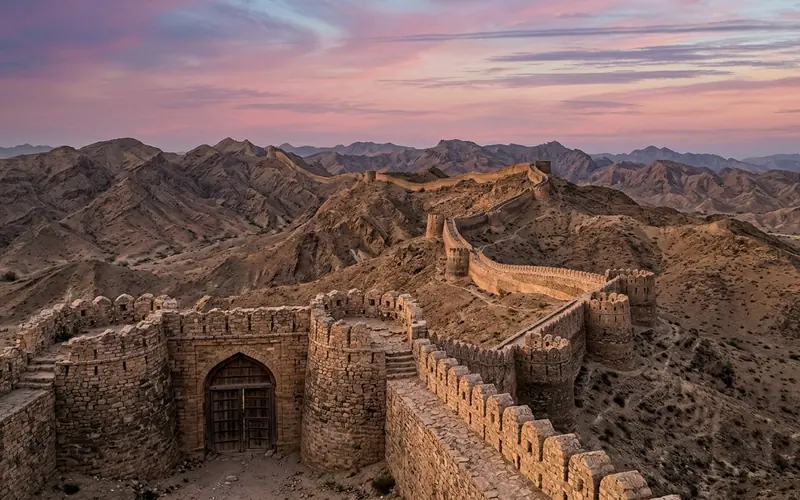 Photo: Adrian Lobo · CC BY-SA 3.0
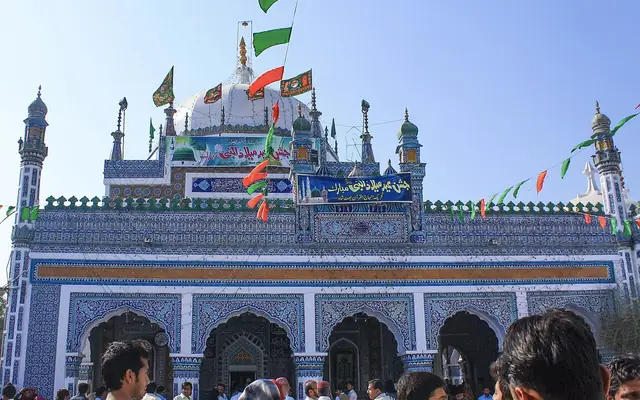 Photo: Umasha79 · CC BY-SA 3.0
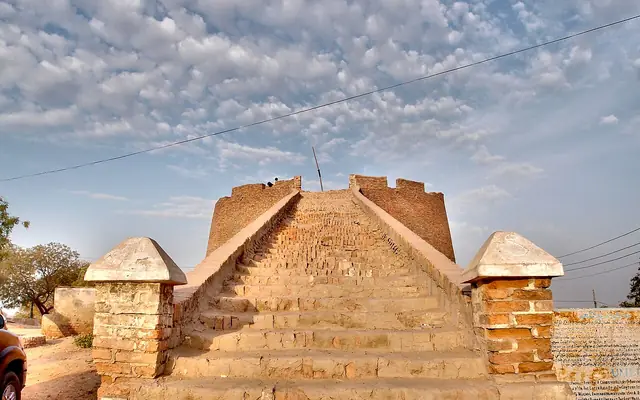 Photo: Saqib Qayyum · CC BY-SA 3.0
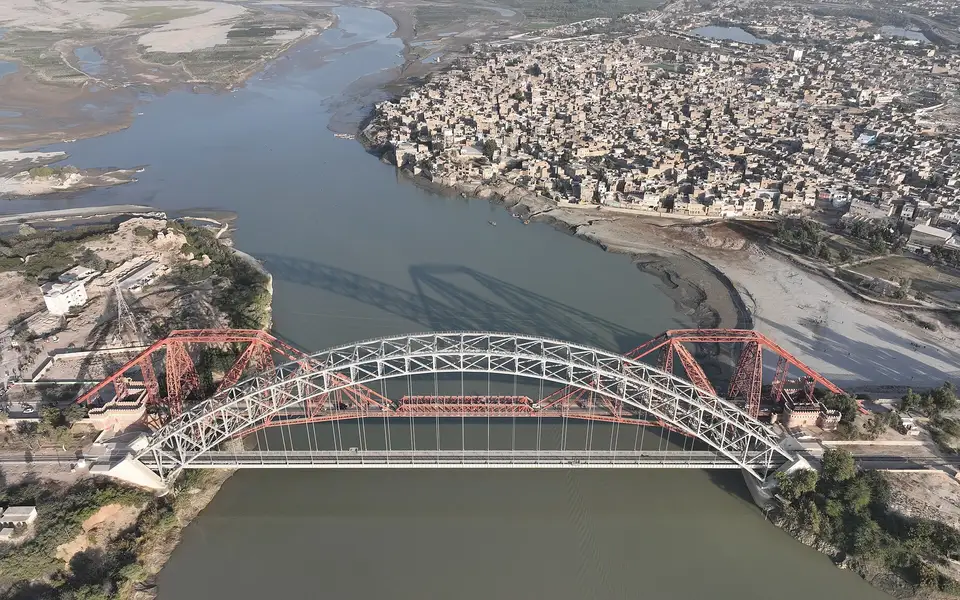 Photo: Mhtoori · CC BY-SA 4.0
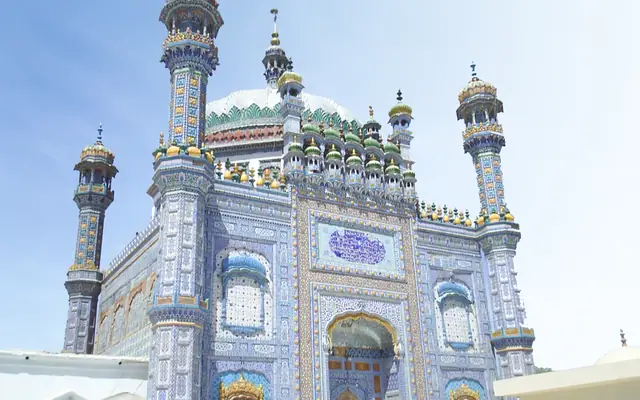 Photo: Tariqfaqir · CC BY-SA 3.0
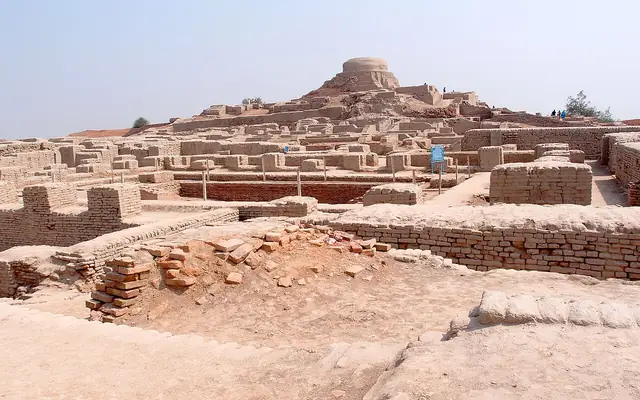 Photo: Saqib Qayyum · CC BY-SA 3.0
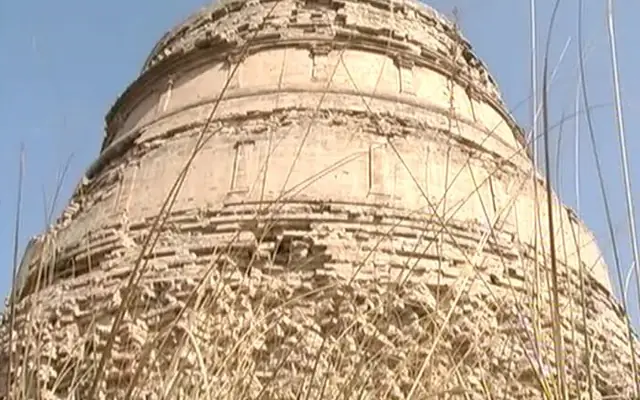 Photo: Aziz Kingrani · CC BY-SA 4.0
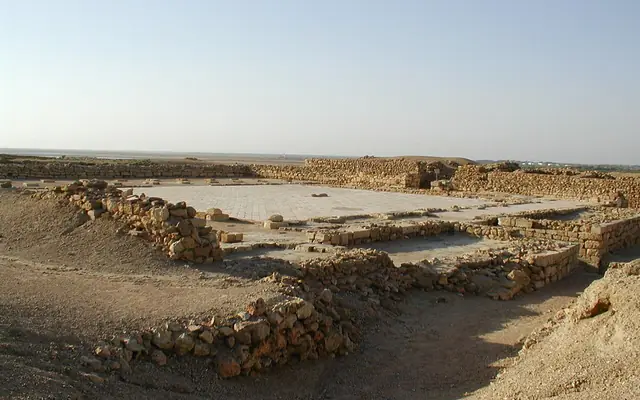 Photo: Mwaqas · CC BY-SA 3.0
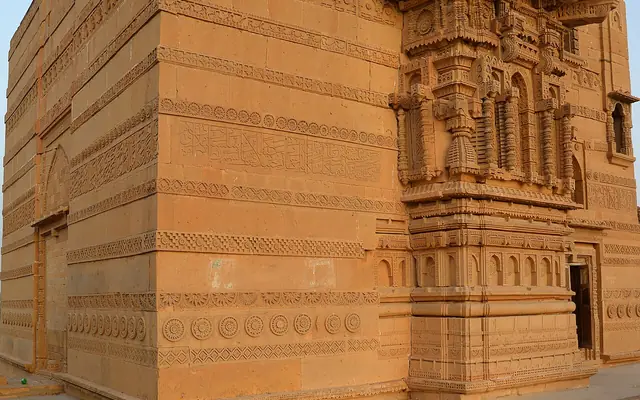 Photo: Hammadxxix · CC BY-SA 4.0
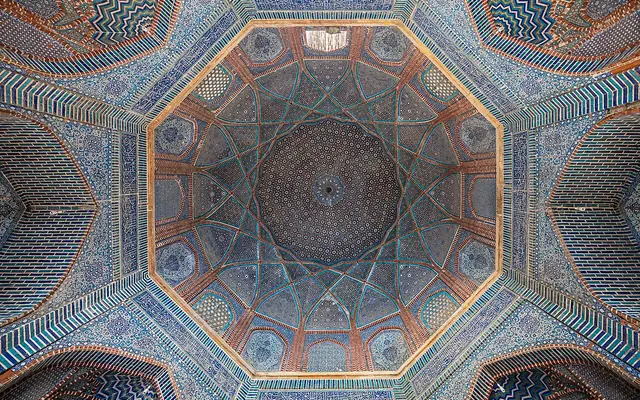 Photo: A.Savin · FAL
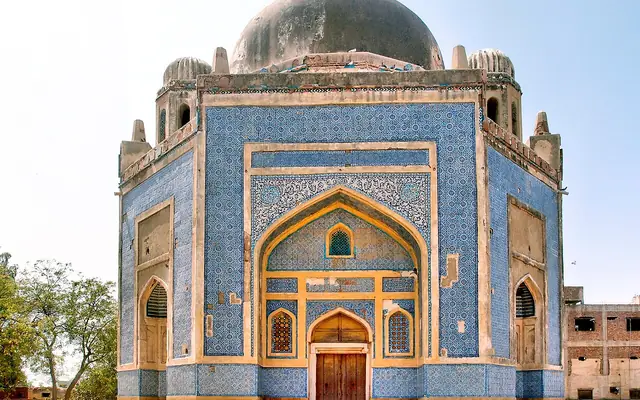 Photo: Saqib Qayyum · CC BY-SA 3.0
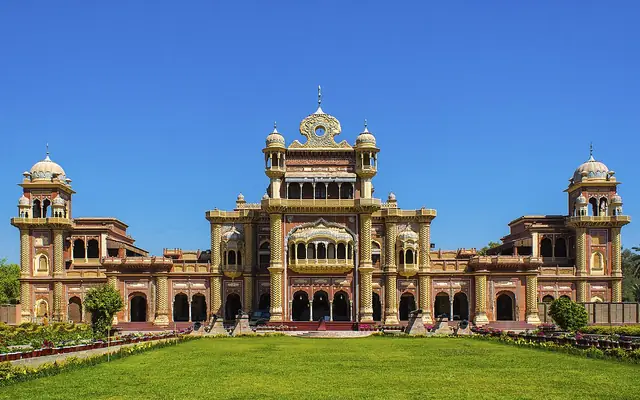 Photo: Muhammad Usman · CC BY-SA 4.0
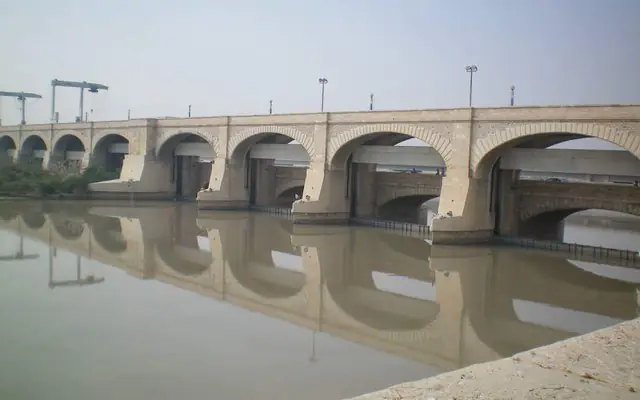 Photo: Ashahid83 · CC BY-SA 4.0
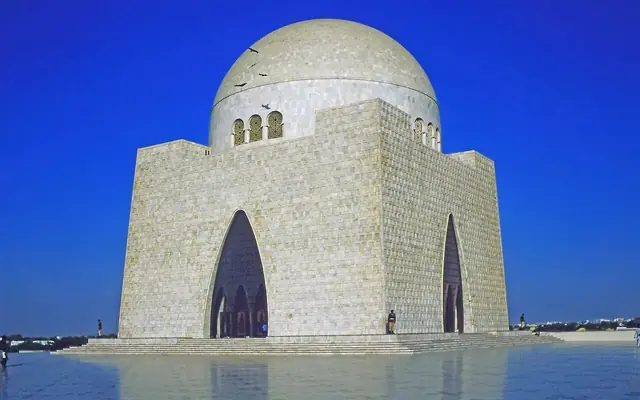 Photo: Jan Kranendonk · CC BY-SA 4.0
How to use the Heritage Map of Sindh
Sindh holds more than 5,000 years of history in a single province: the planned streets of the Indus Valley, the stone tombs of Makli, Talpur forts, Sufi shrines where poetry is sung every night, Hindu and Jain temples in the Thar, and some of the finest lakes and beaches of Pakistan. The Heritage Map brings these places together so you can see where they are, how they connect and how to reach them.
- Filter by type – use the coloured buttons to show only ancient sites, forts and palaces, monuments and tombs, Sufi shrines, temples and churches, museums, nature and lakes, or beaches.
- Search or pick a district – type a name such as Ranikot or Bhit Shah, or choose a district to see every listed place in it.
- Tap a pin or a name in the list – a short description opens, with a link to our full article when we have one.
- Zoom in – cities, towns and villages of Sindh appear as you zoom, so you can find your own area.
- Plan your trip – in the trip planner, choose your city, town or village (or use your current location) and a heritage place. You get the road distance, an estimated driving time and the towns you pass on the way, with a button to open the route in Google Maps or share it on WhatsApp.
On a phone, one finger scrolls the page; tap the map first when you want to move or zoom it.
What you will find on the map
- Ancient sites – Mohenjo-daro, Amri, Chanhudaro, Banbhore, the ruins of Aror and Brahmanabad-Mansura, and the Buddhist stupas of Thul Mir Rukan and Kahu-jo-daro.
- Forts and palaces – Ranikot, Kot Diji, Umerkot, Pacco Qilo in Hyderabad, Naukot, Bukkur Island and Faiz Mahal in Khairpur.
- Monuments and tombs – Makli Necropolis, the Shah Jahan Mosque of Thatta, Chaukhandi Tombs, the Talpur and Kalhora tombs of Hyderabad, Masoom Shah Minaret, Lansdowne Bridge and the colonial landmarks of Karachi.
- Sufi shrines – Lal Shahbaz Qalandar at Sehwan, Shah Abdul Latif Bhittai at Bhit Shah, Sachal Sarmast at Daraza, Abdullah Shah Ghazi in Karachi and many more.
- Temples and churches – Sadhu Bela at Sukkur, the Jain temples of Nagarparkar, Ramapir at Tando Allahyar, Shri Ratneshwar Mahadev and the historic cathedrals of Karachi.
- Museums – the National Museum of Pakistan, Mohatta Palace, the Sindh Museum in Hyderabad, Mukhi House and the Sindhology Museum at Jamshoro.
- Nature and lakes – Keenjhar, Haleji, Manchar, Gorakh Hill, Kirthar National Park, the Karoonjhar hills, the Thar desert and the mangroves of Keti Bandar.
- Beaches and coast – Clifton, Sandspit, Hawke’s Bay, French Beach, Manora, Mubarak Village and Cape Monze.
UNESCO World Heritage Sites in Sindh
Sindh is home to two of the six UNESCO World Heritage Sites of Pakistan, and both are marked with a gold UNESCO badge on the map.
Mohenjo-daro (Larkana)
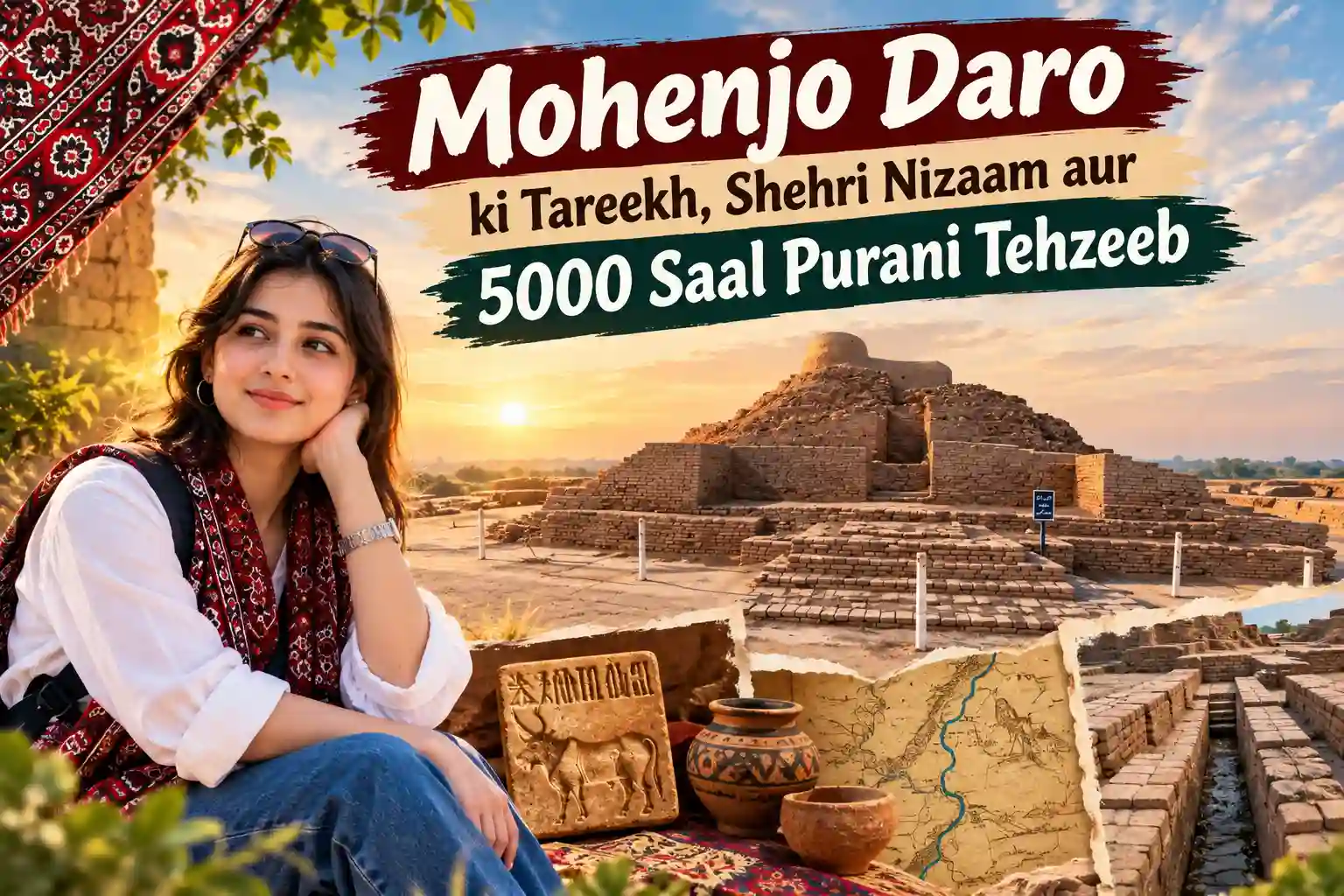
Built around 2500 BCE, Mohenjo-daro was one of the largest cities of the Indus Valley Civilisation. Its grid of brick streets, covered drains, the Great Bath and the granary show a level of town planning that was centuries ahead of its time. It was inscribed on the World Heritage List in 1980. The site museum displays seals, pottery and jewellery found during the excavations.
Makli Necropolis (Thatta)
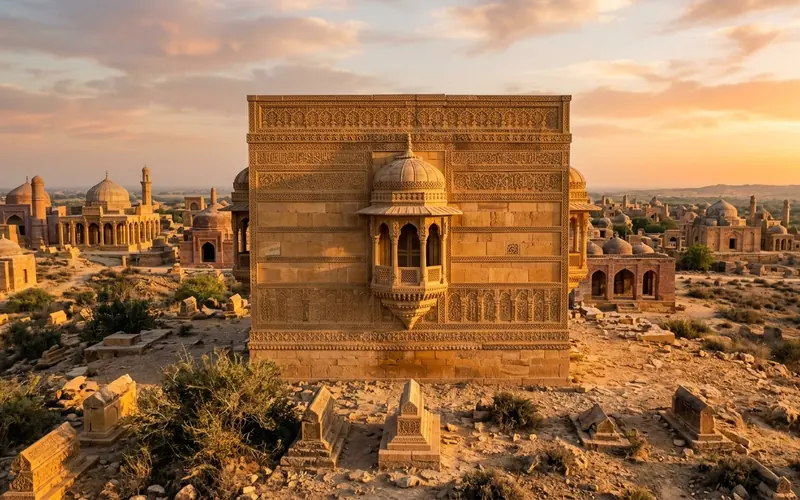
Makli Hill is one of the largest burial grounds in the world, with tombs built from the 14th to the 18th century under the Samma, Arghun, Tarkhan and Mughal rulers of Thatta. Carved yellow sandstone and glazed tiles make it a living record of Sindhi craftsmanship. It was inscribed in 1981.
Several other places of Sindh are on Pakistan’s UNESCO tentative list – including Ranikot Fort, Chaukhandi Tombs, the Shah Jahan Mosque, Banbhore and the heritage of Nagarparkar. These are marked “UNESCO list” on the map.
Heritage of Sindh, region by region
Karachi and the coast
Pakistan’s largest city mixes Sufi heritage with colonial architecture: the shrine of Abdullah Shah Ghazi, Mazar-e-Quaid, Frere Hall, Empress Market, Mohatta Palace and Wazir Mansion, the birthplace of Quaid-e-Azam. East of the city stand the carved Chaukhandi Tombs, and to the west lie the beaches of Hawke’s Bay, Sandspit, French Beach and Cape Monze.
Thatta and the Indus delta
About 100 km from Karachi, Thatta was once a great centre of trade and learning. Makli Necropolis, the blue-tiled Shah Jahan Mosque, the old port of Banbhore and the lakes of Keenjhar and Haleji can all be seen in one long day trip.
Hyderabad and central Sindh
Hyderabad, founded by Mian Ghulam Shah Kalhoro in 1768, has Pacco Qilo, the tombs of the Kalhora and Talpur rulers, the Sindh Museum and Mukhi House. Nearby are Bhit Shah, Hala, Sehwan Sharif, Ranikot – often called the Great Wall of Sindh – and Manchar Lake.
Upper Sindh: Sukkur, Larkana and Khairpur
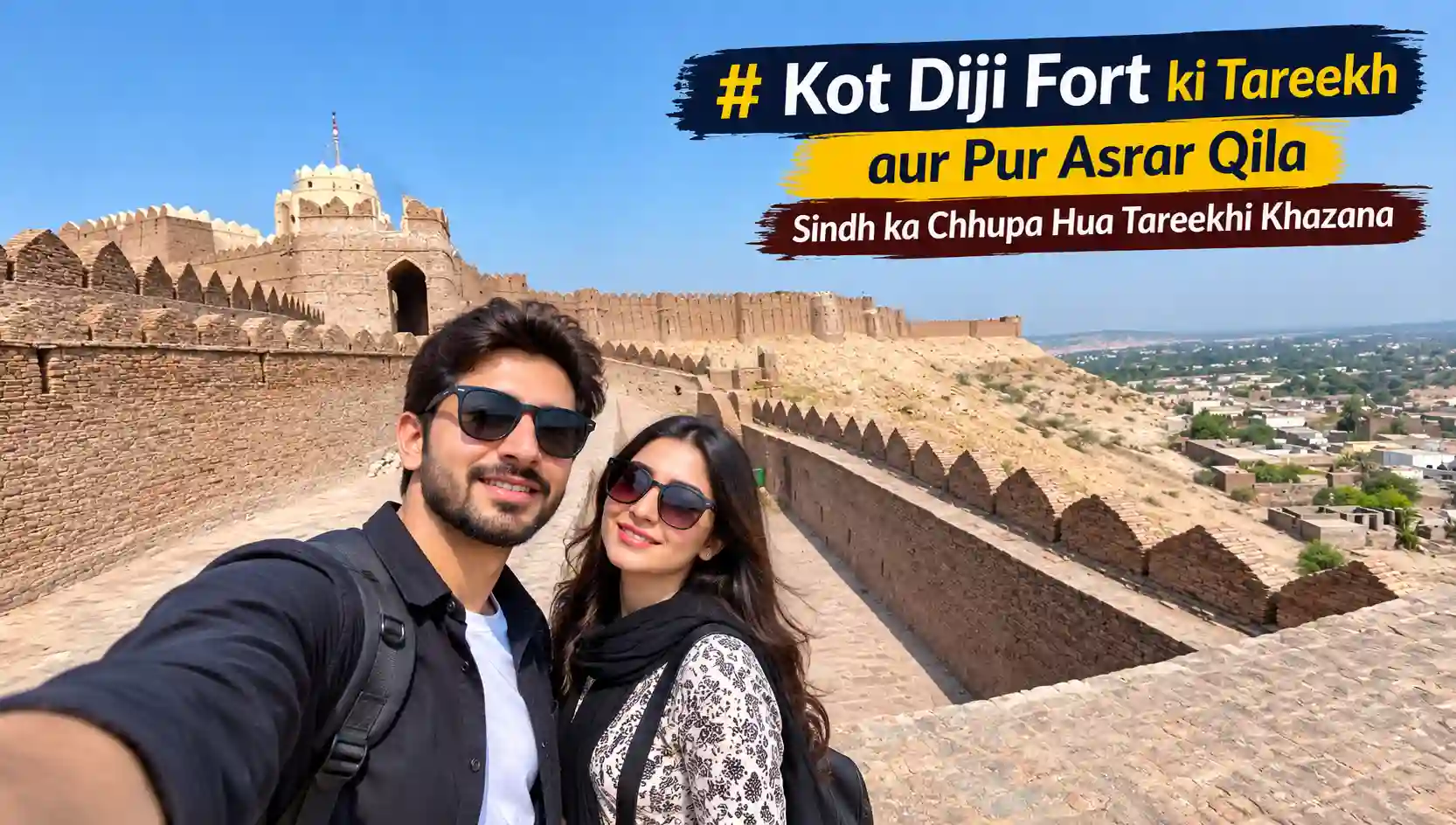
Around Sukkur and Rohri you will find Lansdowne Bridge, Sukkur Barrage, Sadhu Bela temple on its island in the Indus, Masoom Shah Minaret and the ruins of Aror. Larkana is the gateway to Mohenjo-daro, while Khairpur has Kot Diji Fort and Faiz Mahal of the Talpur Mirs. Gorakh Hill, the highest hill station of Sindh, is reached from Dadu.
Thar and Nagarparkar
Umerkot Fort, where the Mughal emperor Akbar was born in 1542, opens the way to the Thar desert. Further south, the pink granite of the Karoonjhar hills, the Jain temples of Nagarparkar and the Churrio Durga Mata temple make the journey unforgettable, especially after the monsoon rains.
Planning a heritage trip in Sindh
- Best time to visit: November to February, when days are mild. From May to August temperatures in upper Sindh can cross 45 °C, and heavy monsoon rain can affect roads from July to September.
- Start early: most open-air sites have little shade. Carry water, a hat and sunscreen.
- Respect sacred places: dress modestly at shrines, mosques and temples, remove your shoes where asked and follow local customs.
- Photography: ask before photographing people, especially women, and follow the rules at museums and religious sites.
- Remote sites: for Ranikot, Gorakh Hill, Kirthar and the Thar, fill up fuel, keep your CNIC with you and save offline maps before you go.
- Urs and festivals: shrines are very crowded during an urs, such as Lal Shahbaz Qalandar’s at Sehwan. Check dates before you travel.
- Protect our heritage: do not climb on, write on or take pieces from monuments. They have survived for centuries – let them survive for our children too.
Three easy heritage routes
- One day from Karachi: Chaukhandi Tombs – Makli Necropolis – Shah Jahan Mosque – Keenjhar Lake.
- Two days around Hyderabad: Pacco Qilo and the Talpur tombs – Bhit Shah and Hala – Sehwan Sharif and Ranikot Fort.
- Three days in upper Sindh: Sukkur and Rohri – Kot Diji and Faiz Mahal in Khairpur – Mohenjo-daro near Larkana.
About the map data
Every place on the Heritage Map has been checked against Wikipedia, OpenStreetMap and GeoNames. Map tiles come from Esri and OpenStreetMap, and road routes are worked out with OSRM using OpenStreetMap data. Distances and driving times are estimates: always check local conditions, opening days and visiting hours before you travel.
Know a place that should be on the map, or spotted a mistake? Please tell us through our contact page – PakSindh is made for the people of Sindh, and your local knowledge makes it better. You can also read our heritage site guides for the full stories behind these places.
Frequently asked questions
How many places are on the Heritage Map?
More than 100 heritage and tourist places across the districts of Sindh, from Karachi to Kashmore and from the Kirthar range to Nagarparkar. We keep adding places as we publish new articles.
Is the map free to use?
Yes. The map and the trip planner are completely free and work in any modern browser on mobile, tablet and desktop.
How accurate are the distances and travel times?
They are road-based estimates. Actual times depend on traffic, road works, weather and stops on the way.
Which UNESCO World Heritage Sites are in Sindh?
Mohenjo-daro in Larkana district (1980) and the Historical Monuments at Makli, Thatta (1981).