

In the summer of 712 AD, a young Arab commander named Muhammad bin Qasim defeated Raja Dahir, the last Brahmin king of Sindh, on the eastern side of the Indus. Within about three years, the lower Indus valley from the sea to Multan had become a province of the Umayyad Caliphate. It was the first lasting Muslim rule anywhere in South Asia.
In this article (34)
- Key Facts About the Arab Conquest of Sindh
- Sindh Before 712 and the Chach Dynasty
- Raja Dahir and the Kingdom of Aror
- Why the Umayyad Caliphate Turned Toward Sindh
- Early Arab Raids on the Indian Coast
- Pirates of Debal and the Seized Ship
- Two Failed Expeditions Before 711
- Who Was Muhammad bin Qasim al Thaqafi
- Family Ties With al Hajjaj ibn Yusuf
- Early Service as Governor of Fars
- The March From Shiraz Through Makran
- The Siege of Debal and the Fall of the Port
- From Nerun and Sehwan to the Banks of the Indus
- Crossing the River With Local Help
- The Battle of Aror and the Death of Raja Dahir
- Brahmanabad, Alor and the Road to Multan
- Treaty or Force Across the Campaign
- Letters to the Kings of al Hind
- How Muhammad bin Qasim Governed Sindh
- Treaties, Taxes and Dhimmi Status
- Local Elites in the New Administration
- Recall and Death of Muhammad bin Qasim in 715
- The Account of al Baladhuri
- The Chach Nama Story and Its Problems
- What the Sources Say and Where They Differ
- Sindh After Muhammad bin Qasim
- Legacy of the Conquest in Modern Pakistan
- Frequently Asked Questions About Muhammad bin Qasim
- How old was Muhammad bin Qasim in 712 AD?
- Why did the Arabs attack Sindh in 711?
- Where was the ancient port of Debal located?
- How did Muhammad bin Qasim die?
- Is the Chach Nama a reliable historical source?
- Sources and Further Reading on the Conquest
Few events in the history of this region are quoted as often, or argued about as much. School textbooks in Pakistan open with it. Sindhi nationalist writers see it very differently. Historians, for their part, keep reminding us that most of what we “know” comes from a handful of texts, some written centuries after the fact.
This article sets out what the sources actually say about the Arab conquest of Sindh: the background, the commander, the main battles, how the province was governed, how Muhammad bin Qasim died, and why the story still matters. Where the sources disagree, that is stated plainly. A full source list is given at the end.
Key Facts About the Arab Conquest of Sindh
The table below gives the main facts in one place. Dates follow the most widely cited modern summaries, which rely mainly on al Baladhuri and the Chach Nama.
| Topic | Details |
|---|---|
| Commander | Muhammad bin Qasim al Thaqafi, born around 694 or 695 AD in the Hejaz |
| Ruler of the caliphate | Caliph al Walid I (ruled 705 to 715 AD) |
| Planner of the campaign | Al Hajjaj ibn Yusuf, governor of Iraq and the eastern provinces |
| Opponent | Raja Dahir of the Chach (Brahmin) dynasty, ruling from Aror |
| First major target | The port of Debal near the mouth of the Indus |
| Decisive battle | Near Aror on the eastern bank of the Indus, 712 AD |
| Other cities taken | Nerun, Sehwan, Brahmanabad, Alor and Multan |
| Duration | About 711 to 713 AD |
| Commander’s death | 715 AD, in custody in Iraq after his recall |
| Main early sources | Futuh al Buldan by al Baladhuri (9th century) and the Chach Nama (13th century) |
Sources for this table: Arab conquest of Sindh (Wikipedia) and Muhammad ibn al Qasim (Wikipedia).
Sindh Before 712 and the Chach Dynasty
In the early 8th century, the kingdom of Sindh covered the lower Indus valley and reached north toward Multan. Its capital was Aror (also written Alor), near modern Rohri. The population was mostly Hindu, with a sizable Buddhist minority, especially in towns such as Nerun and Sehwan.
The ruling house was the Chach dynasty. Its founder, Chach, was a Brahmin minister who took the throne around 631 AD after the Rai dynasty came to an end. According to later accounts, he married the widowed queen and ruled until about 671 AD.
Some historians argue that tension between the Brahmin rulers and Buddhist communities later made it easier for an outside army to win local allies. Others point to evidence of reasonably good relations between the two faiths up to the 7th century. Both readings appear in the modern literature, as summarised in the Arab conquest of Sindh entry.
Raja Dahir and the Kingdom of Aror
Raja Dahir was a son of Chach. He ruled Sindh from about 695 AD until his death in 712. His family included his son Jaisiah (also written Jaisimha), who would lead resistance after his father fell.
Dahir faced pressure from the west for years before 711. Arab forces held Makran, the coastal belt of what is now Balochistan. Two earlier attacks on Debal were beaten back by his forces. That record matters, because it shows the 711 campaign was not a sudden raid. It was the third serious attempt.
Why the Umayyad Caliphate Turned Toward Sindh
The conquest happened during the reign of Caliph al Walid I. In barely ten years, Umayyad armies reached Spain in the west, Transoxiana in Central Asia, and the Indus in the east. Sindh was one part of this wider wave of expansion.
The man directing the eastern front was al Hajjaj ibn Yusuf, the powerful governor of Iraq. He sent Qutayba ibn Muslim to Central Asia and, at about the same time, sent his young relative to Sindh.
Early Arab Raids on the Indian Coast
Arab contact with this coast began long before 711. Around 636 AD, Uthman ibn Abi al As al Thaqafi, the governor of Bahrain and Oman, sent naval raids against Thane, Bharuch and Debal. Caliph Umar had not approved them and reacted with anger.
In 644 AD an Arab force defeated a Sindhi army at the Battle of Rasil and reached the Indus. Umar refused permission to cross. For decades after, the region was seen as poor and hard to hold, and only Makran was firmly taken.
Pirates of Debal and the Seized Ship
The direct cause given in the sources is piracy. Sea raiders known as the Meds, sailing in boats called bawarij, operated from bases at Kutch, Debal and Kathiawar. They preyed on shipping across the western Indian Ocean.
The best known story says that pirates near Debal seized ships carrying Muslim women travelling from Sri Lanka (Serendib). Al Hajjaj wrote to Dahir and demanded their release. Dahir replied that the pirates were beyond his control. Al Hajjaj treated that answer as grounds for war (Bracey, Ancient Pakistan journal).
Modern scholars treat this as one cause among several. A Dawn review of John Jehangir Bede’s study The Arabs in Sind, 712 to 1026 AD notes that his work rejects the idea that a single plundered ship explains the invasion, pointing instead to Arab interest in Sindh going back decades (Dawn).
Other reasons often cited include control of trade routes and seaports, and the fact that Sindh gave shelter to rebels fleeing Umayyad rule (source).
Two Failed Expeditions Before 711
Al Hajjaj first sent a commander named Ubaidullah to attack Debal. He was defeated and killed. A second force under Budail came by way of the Gulf of Oman. Near Debal it met an army led by Jaisiah. After a full day of fighting, the Arab force was routed and Budail was killed (source).
These losses explain why the third campaign was planned with unusual care and supplied so heavily.
Who Was Muhammad bin Qasim al Thaqafi
Muhammad bin Qasim belonged to the Banu Thaqif, an Arab tribe centred on the city of Taif in western Arabia. He was born around 694 or 695 AD, most likely in Taif, Mecca or Medina. His father, al Qasim, served for a time as deputy governor of Basra.
The Arabic sources say almost nothing about his childhood. The Pakistani scholar Nabi Bakhsh Baloch believed he grew up partly in Taif and partly in Basra and Wasit, where he would have been trained under the eye of al Hajjaj.
Family Ties With al Hajjaj ibn Yusuf
Al Hajjaj was a paternal cousin of Muhammad’s father. Popular accounts often call him the young man’s uncle, and some say he was also his father in law. The Kitab al Aghani describes Muhammad, at the age of 17, as the noblest member of the Thaqif in his time.
This family link explains much of his rapid rise. It also explains his downfall, as later sections show.
Early Service as Governor of Fars
His first known posting was in Fars, in southern Iran. He was sent to put down a group of Kurds and was then made governor of the province. He is credited with reviving the city of Shiraz, where he built a residence and a nearby military camp.
He was still only in his middle teens when al Hajjaj chose him for Sindh, apparently because two older commanders had already failed there.
The March From Shiraz Through Makran
The army left Shiraz around 711 AD. According to the sources, it was built around 6,000 Syrian cavalry, detachments of mawali (non Arab Muslim freedmen) from Iraq, and 6,000 camel riders. A baggage train of 3,000 Bactrian camels carried supplies (source).
Al Hajjaj also sent five heavy catapults, called manjaniq, by sea from Makran directly to Debal. He followed the campaign closely from Iraq. Messengers carried regular reports between the army and his headquarters.
Passing through Makran, Muhammad bin Qasim first had to subdue the restless towns of Fannazbur and Armabil (near present Lasbela). Both had been taken by the Arabs before but had slipped out of control.
The Siege of Debal and the Fall of the Port
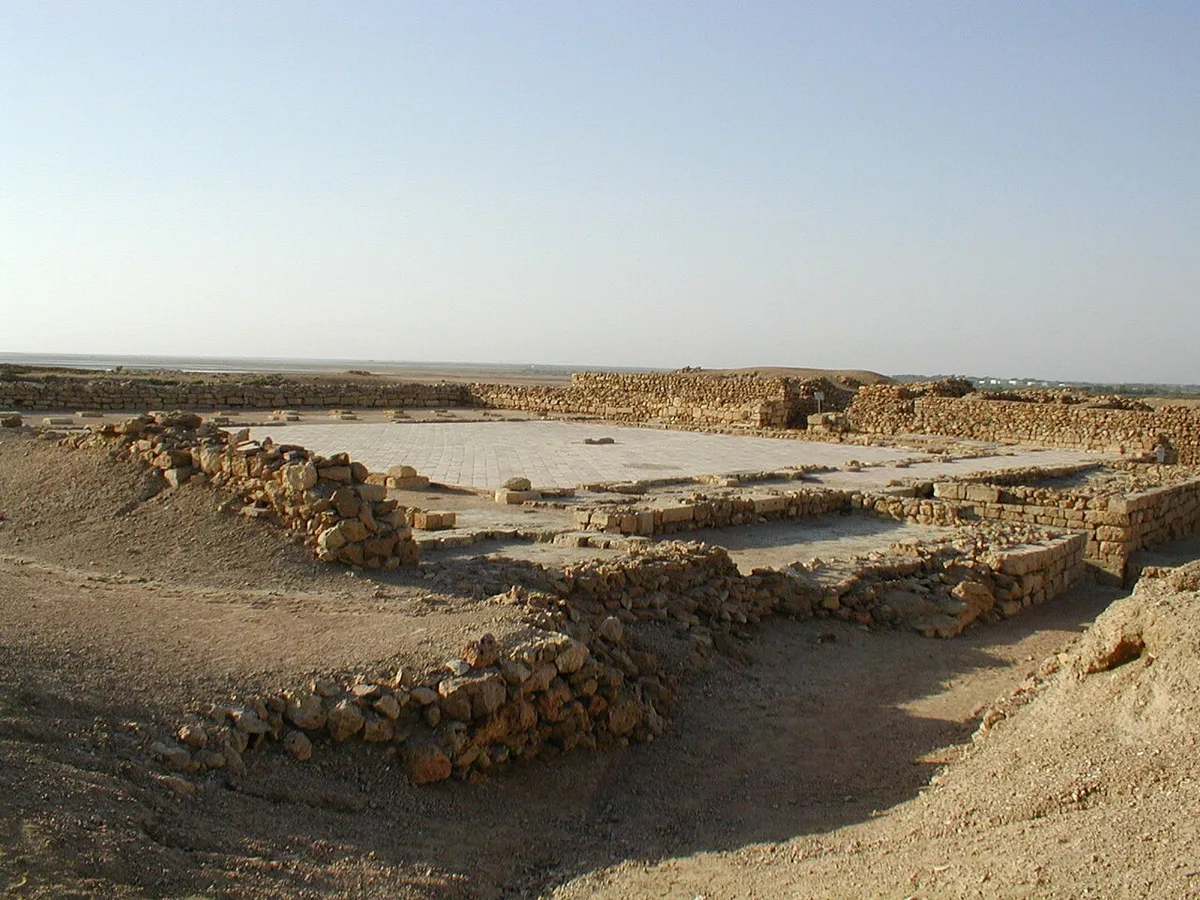
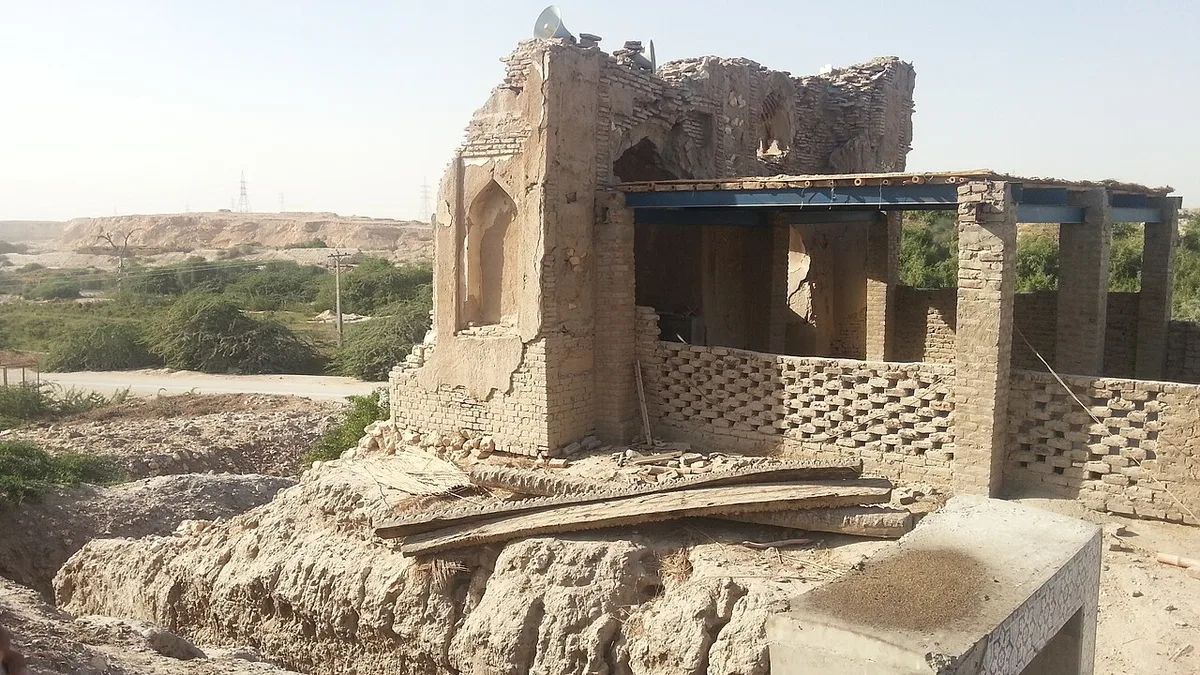
Debal was the great port of Sindh at the mouth of the Indus. Its exact location is still debated. Many archaeologists link it with Banbhore, about 65 km east of Karachi, but this identification has not been confirmed.
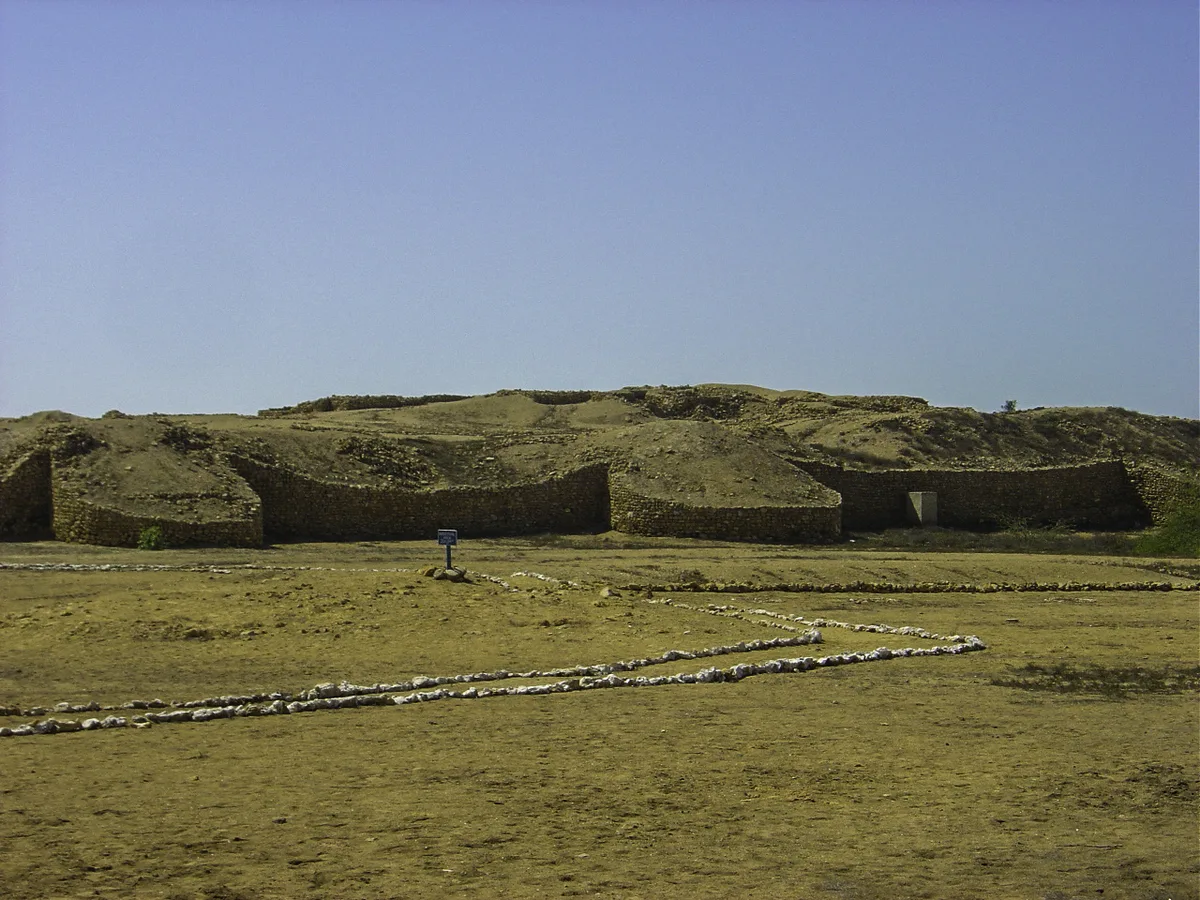
According to one widely repeated account, the Arab army camped outside the walls for seven days, waiting for written orders from al Hajjaj. Once the orders arrived, the catapults went to work, the walls were scaled, and the city fell.
On the orders of al Hajjaj, the city received harsh treatment. Its main temple was destroyed and many defenders were killed. A fifth of the war booty, including captives, was sent to al Hajjaj and the caliph, as was the custom.
The captive Muslim women were freed. Muhammad bin Qasim settled 4,000 Muslims in Debal and had a mosque built there. Excavations at Banbhore later uncovered the remains of a mosque with an inscription dated to 727 AD, one of the oldest known in South Asia.
From Nerun and Sehwan to the Banks of the Indus
From Debal the army moved northeast to Nerun, a town near present Hyderabad. Its Buddhist governor had already accepted tributary status after earlier contacts and surrendered without a fight. The army rested there and took fresh supplies and reinforcements.
Next came Sehwan (then called Siwistan). Local Buddhist leaders reached terms with the invaders, while Dahir’s governor was driven out. The fort at Sisam and the country west of the Indus were then secured.
A key feature of the campaign was its use of local allies. The Meds, some Jat groups and several Buddhist rulers joined or supplied the Arab force. These men served as infantry alongside the mainly mounted Arab army.
Crossing the River With Local Help
Dahir’s main army waited on the eastern bank. For about two months the two sides faced each other across the river. During this time al Hajjaj sent 2,000 picked horsemen, and 4,000 Jat fighters joined from the Sehwan area.
Mokah Basayah, described as the king of the island of Bet, changed sides and supplied boats in return for a promise of land. With his help, and that of his brother, the army finally crossed to the eastern bank.
The Battle of Aror and the Death of Raja Dahir
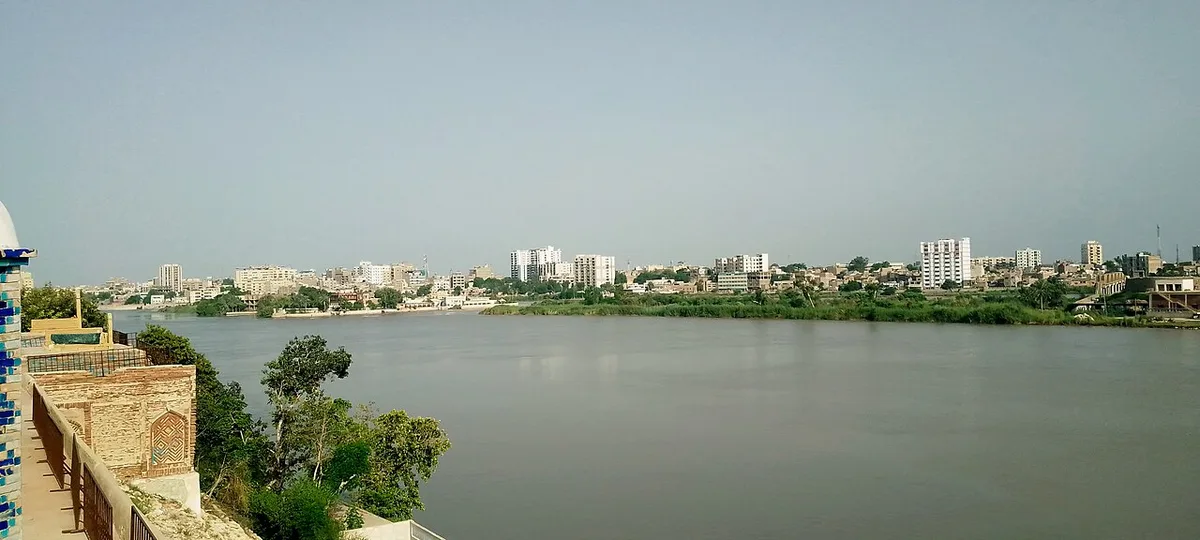
The decisive clash took place in 712 AD near Aror, close to modern Rohri. Dahir was supported by his chiefs and by the eastern Jats. The western Jats, by contrast, had sided with the invaders.
According to the accounts, Dahir was fighting from the back of an elephant when he was struck by an arrow and killed. Many modern references give the date as 20 June 712. His army broke up, and Jaisiah withdrew to Brahmanabad.
Dahir’s head was cut off and sent to al Hajjaj in Iraq, together with the royal fifth of the booty. The Chach Nama adds that the queen and other women in the fort chose death by fire (jauhar) rather than capture. Al Hajjaj is said to have announced the victory in a sermon at the Great Mosque of Kufa (source).
Before the battle, the Chach Nama puts a speech in Dahir’s mouth, saying he would rather die honourably defending his country than flee. Historians treat such speeches as literary, not as recorded words.
Brahmanabad, Alor and the Road to Multan
The death of the king did not end the war. Jaisiah fortified Brahmanabad and Alor and tried to cut the Arab supply lines. Brahmanabad held out for about six months before some citizens made a secret agreement with the attackers and the city fell.
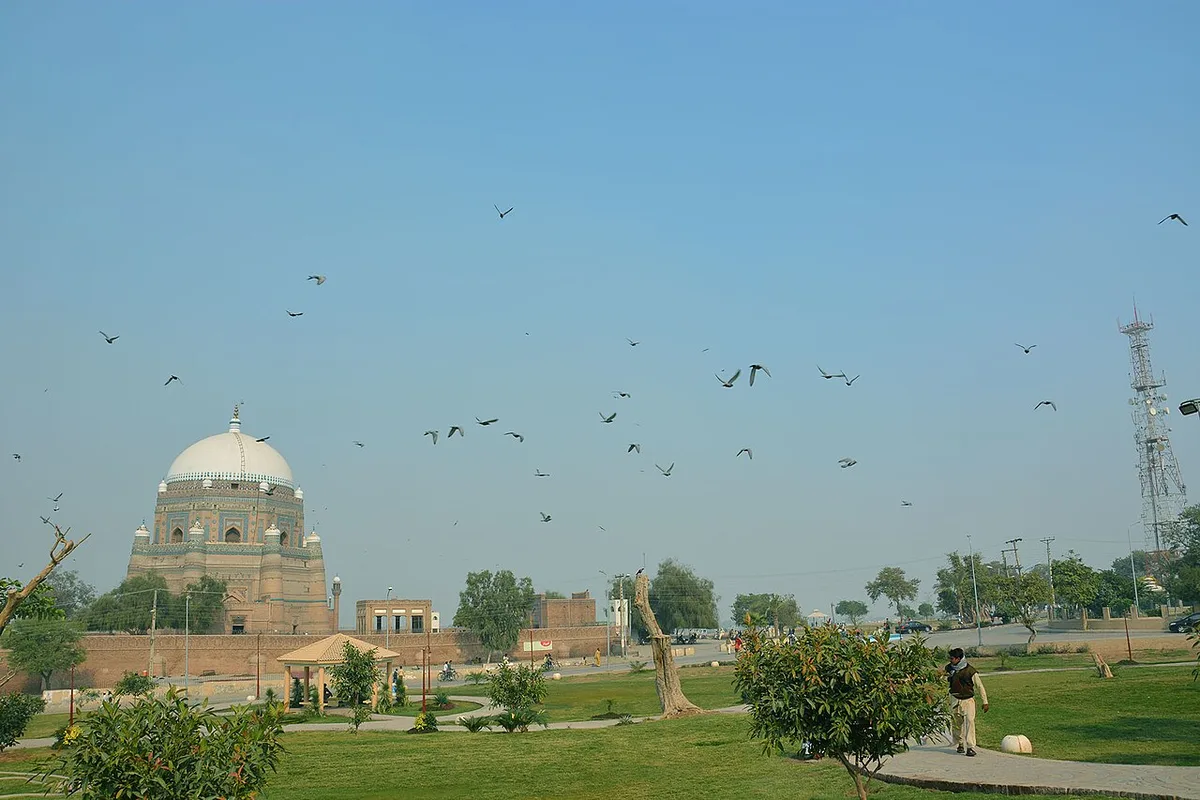
Muhammad bin Qasim then subdued surrounding districts and took Alor, the capital, after brief resistance. He next moved up the river to Multan, an important religious and commercial city. Multan resisted for about two months before it surrendered.
Multan was famous for its Sun Temple, a major place of Hindu pilgrimage. The temple was not destroyed. It was allowed to continue on payment of tax, and its income became valuable to the new rulers (al Baladhuri).
Treaty or Force Across the Campaign
Towns were usually given two choices: accept Muslim rule through a treaty (sulh or aman), or be taken by force. The choice decided how they were treated. Where a town resisted hard, fighting men were often executed and their families enslaved.
The recorded numbers are high. Accounts speak of 6,000 deaths at Aror, between 6,000 and 26,000 at Brahmanabad, 4,000 at Iskalandah (Uch) and 6,000 at Multan. Yet treaty was the more common method. More than 60 percent of the towns and tribes named in al Baladhuri and the Chach Nama came to terms this way. At one point al Hajjaj actually rebuked his commander for being too lenient (source).
Al Hajjaj set out the policy in a letter quoted in the sources. In plain words, it said that men who fought should be killed, while those who did not fight should be granted safety and pay tribute as protected people.
Letters to the Kings of al Hind
After Sindh, Muhammad bin Qasim wrote to the kings of al Hind calling on them to submit. A force went toward Bhinmal, which is said to have offered submission. A cavalry force of 10,000 was sent toward Kannauj, though nothing reliable is known about its outcome. He himself led an army to the frontier of Kashmir, called Panj Mahiyat, in western Punjab.
How Muhammad bin Qasim Governed Sindh
Once the fighting ended, the task was to run a large province whose people were overwhelmingly Hindu and Buddhist. The approach that emerged was practical. People who accepted Muslim rule and paid their taxes were left to follow their own religion.
Village headmen (rais) and local chiefs (dihqans) kept their roles. A Muslim official called an amil was placed in each town with a troop of cavalry. Local disputes among Hindus could still be settled by their own customs.
Treaties, Taxes and Dhimmi Status
Hindus and Buddhists were placed in the category of dhimmi, or protected people. They paid the jizya, a tax that was heavier on the wealthy and lighter on the poor. In return they were exempt from military service and from the zakat paid by Muslims.
According to the sources, three percent of government revenue was set aside for the Brahmins. Some temples were allowed to continue. A statement attributed to Muhammad bin Qasim compares temples to the churches of Christians, the synagogues of Jews and the fire temples of Zoroastrians.
That statement is often described as the earliest justification for treating Hindus as protected people under Islamic law. However, historian Manan Ahmed Asif notes that the version in al Baladhuri does not include this comparison. It appears in the later Chach Nama.
Local Elites in the New Administration
After Brahmanabad fell, the local Brahmin elite were reappointed to posts they had held under Dahir. Dahir’s former minister and several chiefs were brought into the new government. A Hindu named Kaksa is described as the second most important figure in the administration.
This arrangement had a darker side for some groups. The sources record that an older regulation forcing certain groups to wear only coarse clothing and walk barefoot was confirmed rather than removed. The Chach Nama names Jats and Lohanas here, while some modern summaries describe the rule as aimed at Buddhists.
Conversion to Islam was slow. There were no mass conversions, and most people in Sindh remained Hindu or Buddhist for a long time after 712.
Recall and Death of Muhammad bin Qasim in 715
The young commander’s career ended because of politics at the centre. Al Hajjaj died in 714 AD. Caliph al Walid I died the next year and was succeeded by his brother Sulayman, who had long been hostile to al Hajjaj and his circle.
Sulayman recalled the generals linked to al Hajjaj, including Qutayba ibn Muslim in Central Asia and Muhammad bin Qasim in Sindh. He gave the eastern provinces to Yazid ibn al Muhallab, a man whom al Hajjaj had once imprisoned and tortured.
The Account of al Baladhuri
In the 9th century history Futuh al Buldan, al Baladhuri gives a short and sober version. Muhammad bin Qasim was arrested by the new governor of Sindh, Yazid ibn Abi Kabsha al Saksaki, and sent to Iraq in chains.
There, the new revenue chief, Salih ibn Abd al Rahman, whose brother had been executed by al Hajjaj, had him and his relatives tortured to death. Many modern references date his death to 18 July 715 AD. An English translation of al Baladhuri is freely available on the Internet Archive.
The Chach Nama Story and Its Problems
The Chach Nama tells a very different and far more dramatic story. In it, two captive daughters of Dahir, named Suryadevi and Parimal Devi, are sent to the caliph. They falsely claim that Muhammad bin Qasim dishonoured them first. The angry caliph orders him sewn into a raw hide and sent back, and he dies on the way.
Most historians reject this account. It contains clear errors; for example, it places the caliph in Baghdad, a city that had not yet been founded. The capital at the time was Damascus. Al Baladhuri’s political explanation is generally preferred.
What the Sources Say and Where They Differ
Our knowledge of the conquest rests on a small number of texts. The main Arabic source is al Baladhuri (died 892 AD), who gives only a few pages. Brief notes appear in al Yaqubi and al Tabari. None of these writers lived through the events.
The fullest narrative is the Chach Nama, a Persian work written around the early 13th century by Ali ibn Hamid Kufi. He claimed to be translating an older Arabic book found with the family of the qadi of Alor, who traced descent from the Thaqif.
Scholarly views of this text vary. Yohanan Friedmann found that its battle accounts broadly agree with the Arab historians and may draw on the lost works of al Madaini. The Encyclopaedia Iranica entry gives a useful summary of the manuscript and its contents.
In his book A Book of Conquest, published by Harvard University Press in 2016, Manan Ahmed Asif goes further. He argues the Chach Nama is an original 13th century work of political literature, written for the court of Nasiruddin Qabacha, not a straight translation. In his view it tells us as much about the 13th century as the 8th.
The practical lesson for readers is simple. Broad facts such as the dates, the cities taken and the death of Dahir are well supported. Detailed speeches, romantic episodes and exact casualty figures should be read with caution.
Sindh After Muhammad bin Qasim
Arab control weakened quickly after the commander left. The next governor died soon after arriving. Jaisiah retook Brahmanabad. Under Caliph Umar II (717 to 720 AD), local rulers were invited to accept Islam and keep their thrones, and some did.
In the 720s the governor Junayd ibn Abd al Rahman al Murri killed Jaisiah, restored control and sent armies deep into Rajasthan and Gujarat. Those gains did not last. Indian kingdoms, including the Gurjara Pratiharas and the Chalukyas, pushed back. A Chalukya victory at Navsari around 739 AD is often seen as a turning point.
Under al Hakam ibn Awana, the Arabs built the garrison city of al Mansura near Brahmanabad, which became the capital of Arab Sindh. By the 10th century the region had split into two Arab states, centred on Mansura and Multan, before Mahmud of Ghazni arrived in the early 11th century.
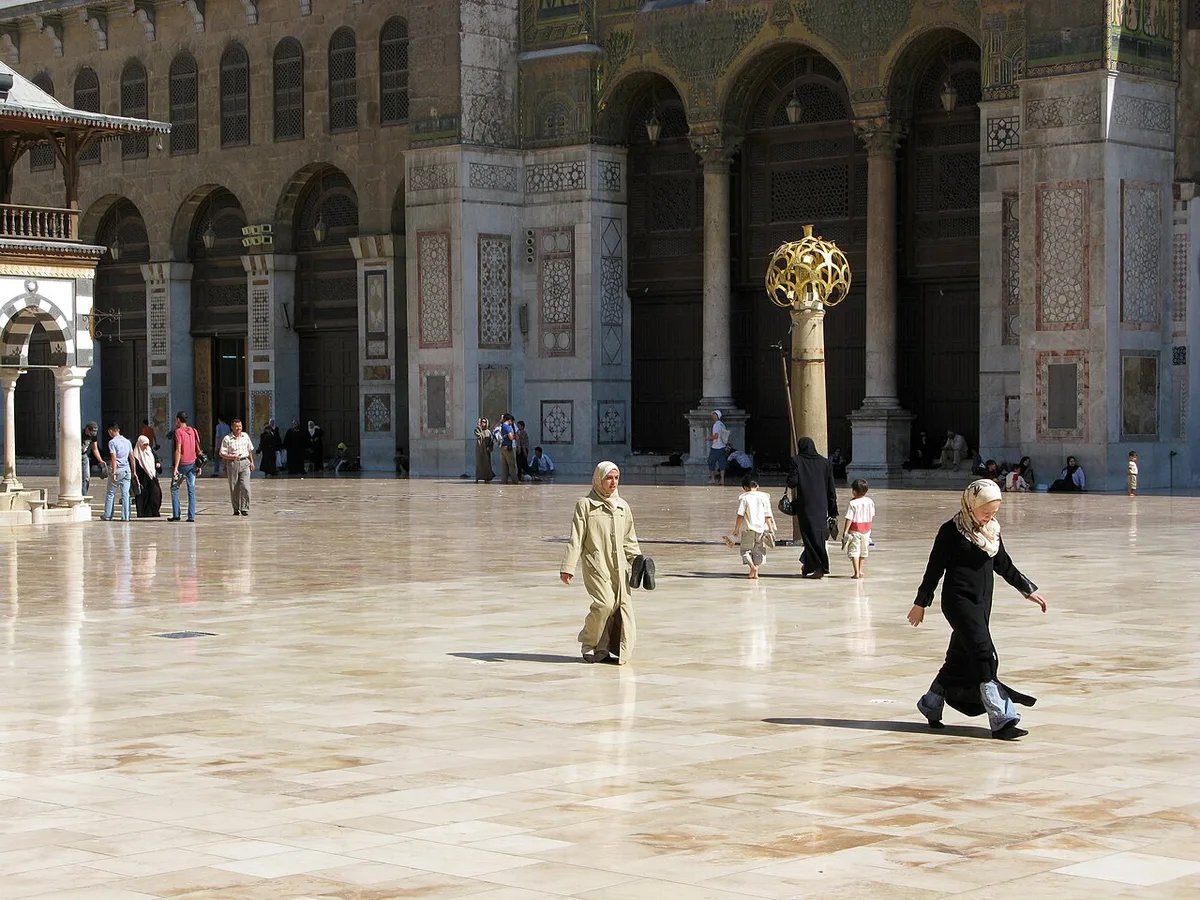
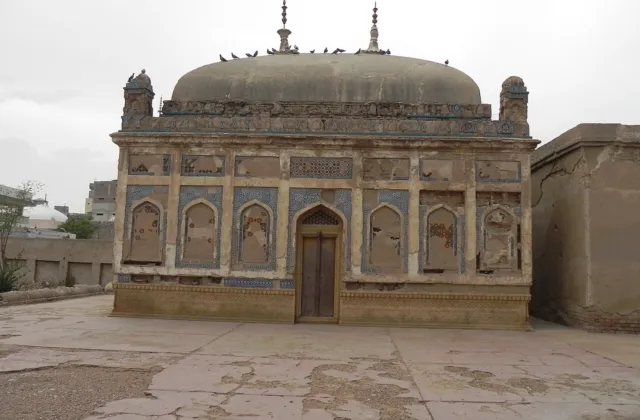
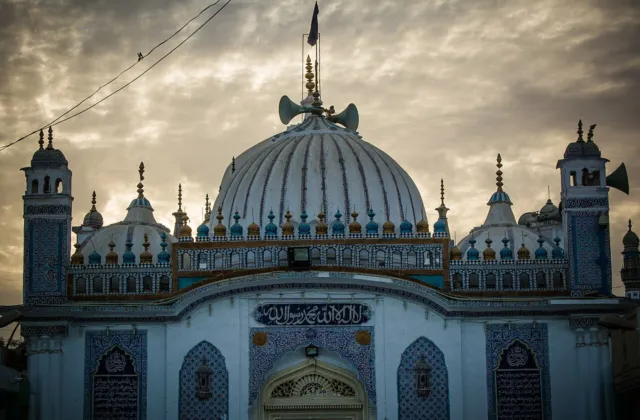
The conquest also linked Sindh to the wider Islamic world. Scholars of Sindhi origin, such as the astronomer Abu Mashar al Sindi, took part in the intellectual life of Baghdad. Sindh’s long Islamic history can be seen in sites such as the Makli Necropolis at Thatta and the Shah Jahan Mosque.
Legacy of the Conquest in Modern Pakistan
In Pakistan, Muhammad bin Qasim is widely presented as the man who made Sindh the Bab ul Islam, the gateway of Islam to South Asia. Many national landmarks carry his name, including Port Qasim, Bagh Ibn Qasim in Karachi, Bin Qasim Town, and the naval base PNS Qasim.
Other voices read the event differently. For many Sindhi nationalist writers, Raja Dahir is the hero who died defending his homeland. The historian Dr Mubarak Ali, quoted in Dawn, has argued that the war was not a simple contest of faith against unbelief, and that the Arabs ruled through an older local elite (Dawn).
Academic debate also divides. Older writers such as Elliot and Majumdar stressed force and temple destruction. Others, such as Thomas Arnold, stressed tolerance and peaceful conversion. A middle position, now common, sees a commander balancing military harshness with the practical need to rule through local people.
This debate is part of the wider story of Sindhi identity, which our readers can follow in our pieces on Sindhi culture and the later Talpur Mirs of Sindh.
Frequently Asked Questions About Muhammad bin Qasim
How old was Muhammad bin Qasim in 712 AD?
He was about 17 years old. Sources give his birth as around 694 or 695 AD, and he was given command of the Sindh campaign while still in his teens.
Why did the Arabs attack Sindh in 711?
The stated reason was the seizure of ships carrying Muslim women by pirates near Debal and Dahir’s refusal to act. Wider aims included control of sea trade, the ports of the Indus, and ending Sindh’s role as a refuge for rebels.
Where was the ancient port of Debal located?
Debal lay near the mouth of the Indus. Many archaeologists link it with Banbhore near Karachi, but the identification is not yet proven.
How did Muhammad bin Qasim die?
He was recalled after the deaths of al Hajjaj and al Walid I, arrested, and died under torture in Iraq in 715 AD, according to al Baladhuri. The Chach Nama story involving Dahir’s daughters is generally considered unreliable.
Is the Chach Nama a reliable historical source?
Only in part. Its battle accounts match older Arab sources in many places, but it was written about five centuries after the events and includes literary episodes that historians treat with caution.
Sources and Further Reading on the Conquest
- Al Baladhuri, The Origins of the Islamic State, Part II, translated by F. C. Murgotten (1924), Internet Archive.
- Manan Ahmed Asif, A Book of Conquest: The Chachnama and Muslim Origins in South Asia, Harvard University Press (2016).
- D. N. MacLean, Cac Nama, Encyclopaedia Iranica.
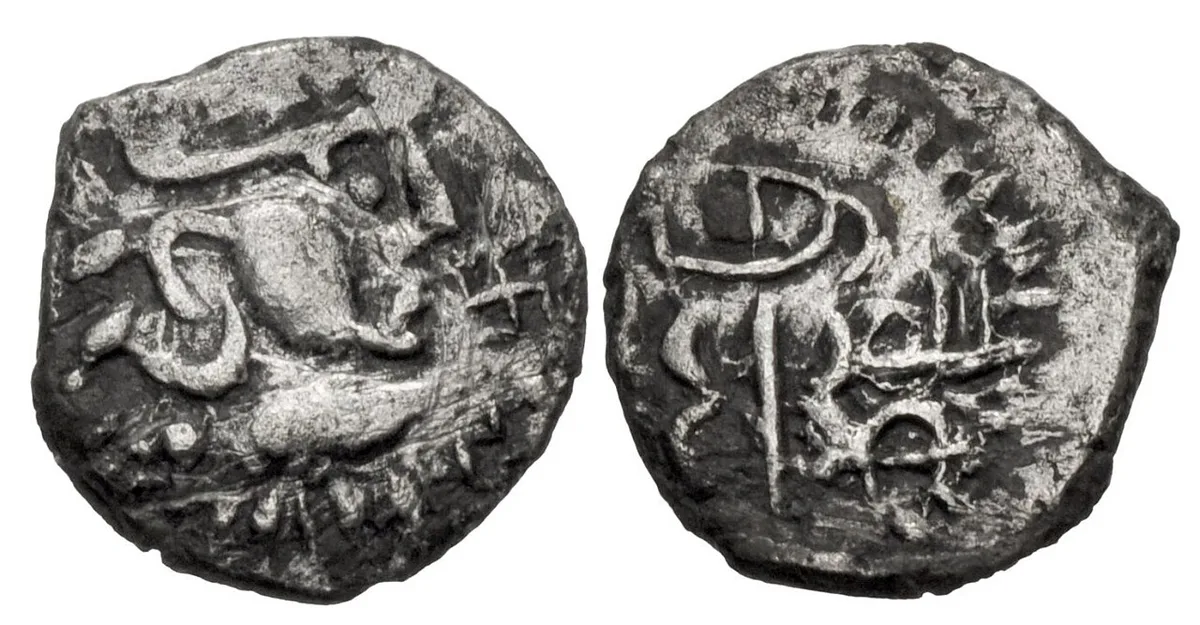
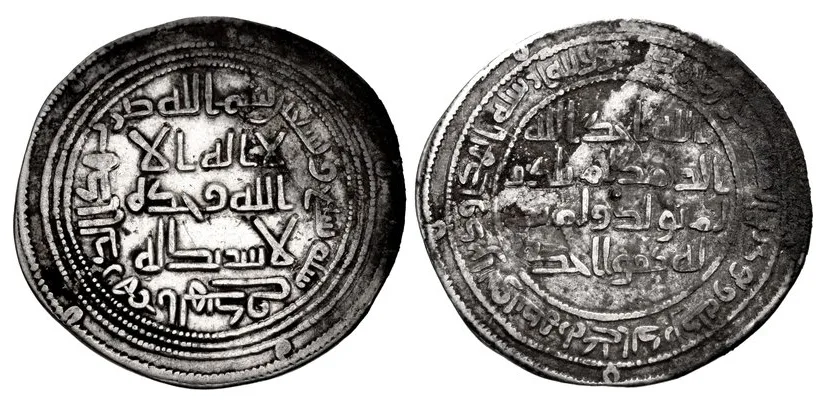
- Robert Bracey, Coins of Arab Sind and Multan, Ancient Pakistan journal, University of Peshawar.
- Salman Rashid, The Intent of the Invaders, Dawn (2017).
- Akhtar Balouch, Muhammad Bin Qasim, Predator or Preacher, Dawn (2014).
- Muhammad ibn al Qasim, Arab conquest of Sindh, Umayyad campaigns in India and Chach Nama, Wikipedia, with their cited academic references.
Photographs in this article come from Wikimedia Commons and are used under their stated Creative Commons licences, credited under each image.

Leave a Comment