

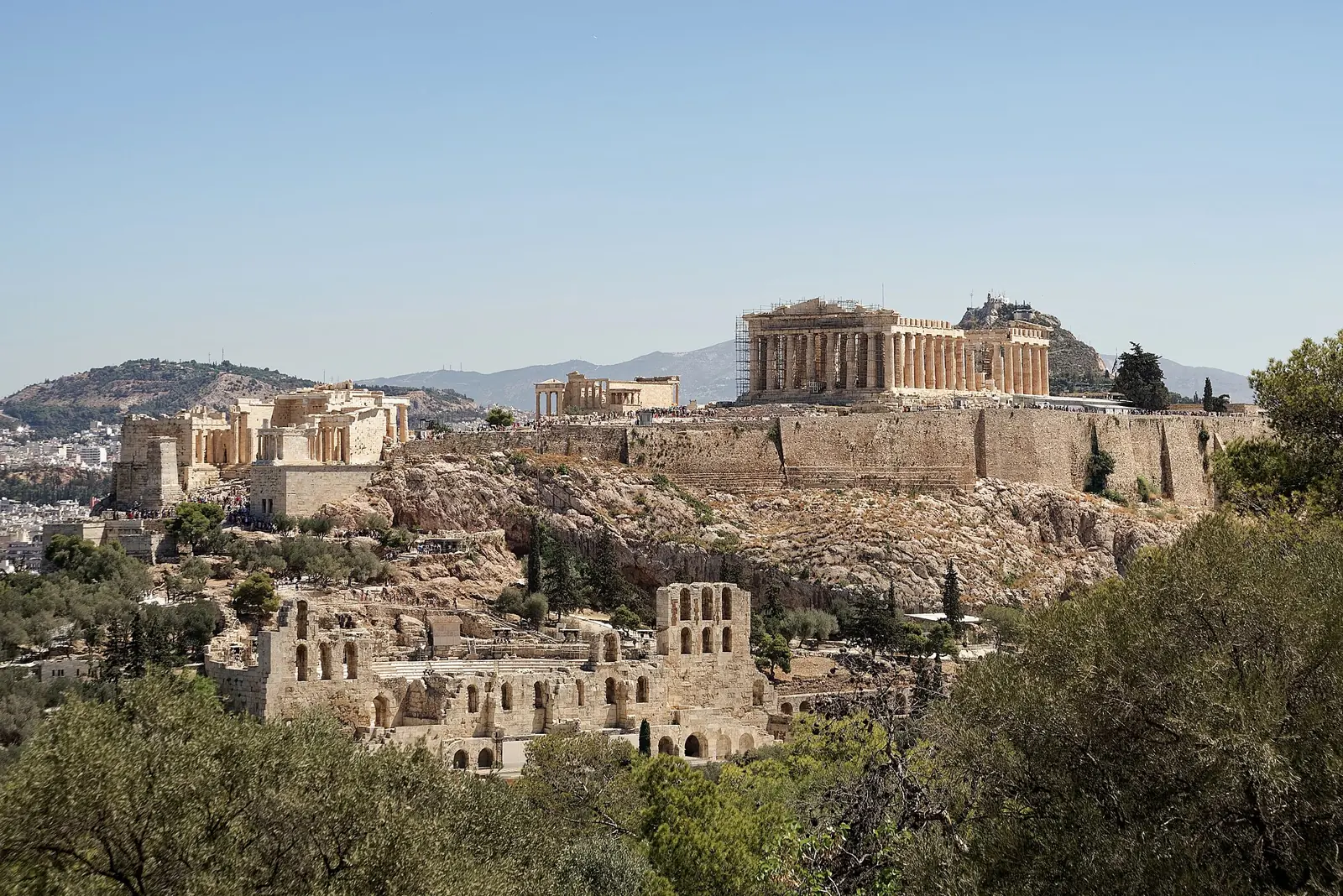
There are many countries with history on every street, and Greece is among them. This country is characterized by its beautiful coast of deep blue color and majestic mountains. If you are thinking about travel to Greece, this guide will help you learn more about the country, including its history, famous landmarks, interesting facts and what it has to offer students and workers from Pakistan.
In this article (16)
- Athens: One of the Oldest Capitals in Europe
- Key Facts About Greece
- Greece at a Glance
- Travel to Greece: The Most Famous Tourist Places
- Opportunities for Students and Pakistanis
- Alexander the Great and the Byzantine Era
- The Olympics and the Real Story of Barbarossa
- A Few Interesting Facts
- Final Thoughts on Travel to Greece
- Frequently Asked Questions About Travel to Greece
- What is the official name of Greece?
- Why is Athens called the oldest capital in Europe?
- How many islands and UNESCO sites does Greece have?
- What is the time difference between Pakistan and Greece?
- Who was the real Barbarossa?
- What percentage of Greece’s population is Muslim?
The formal name of the country is not Greece but Hellenic Republic, and the inhabitants of Greece call themselves Hellenes. Greece is located in Southeast Europe and has long served as a bridge between Europe, Asia, and Africa.
It is important to note that the location played an important role in history, as the Ottoman Empire conquered this territory in the 14th and 15th centuries. Nowadays, many young people of Pakistan attempt to enter Europe through Greece, mainly passing through Turkey. They use both legal ways and illegal ways, which are very dangerous and can end up with arrest and deportation.
Greece is known as the birthplace of Aristotle and in Greek mythology this place is considered to be a homeland of heroes, such as Hercules. The country has about 6,000 islands and islets, however, only 200+ are populated. Almost 80 percent of the total territory of Greece is covered with mountains.
This place is known as a cradle of Western civilization. The Olympic Games originated here, democracy was developed in Athens and theater was born on the Greek stage. In addition, this country enjoys almost 250-300 sunny days per year.
Blue coastlines and mountain peaks became the national symbols of Greece. One of the longest coastlines in Europe is situated in Greece, which is equal to 13,700 km according to common estimations and can reach even 16,000 km if every island is counted. From the black sand beaches of Santorini to the all-night party resorts of Mykonos, every visitor finds something here.
Athens: One of the Oldest Capitals in Europe
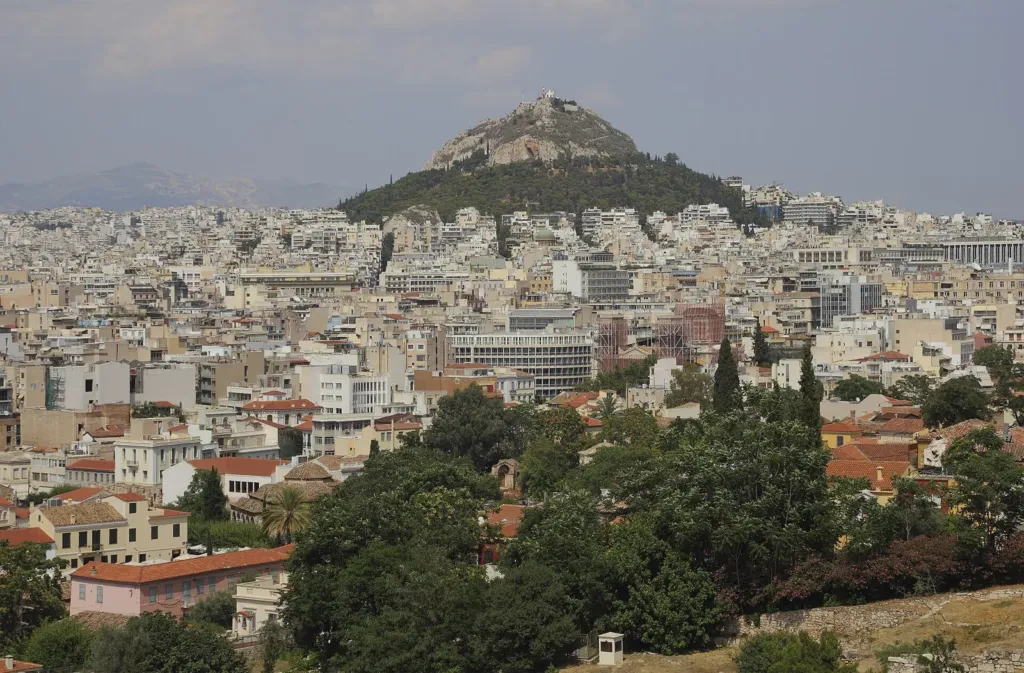
The name of the capital is Athens in honor of the Greek Goddess Athena. Besides being the protector of the city, she was also considered to be the goddess of tactics in war and wisdom.
People have lived in the Athens region for about 7,000 years, so it is considered one of the oldest continuously inhabited cities in the world. In 1834, Athens became the capital of modern Greece and its rich history is why it is often called the oldest capital in Europe. Almost one-third of Greece’s population lives in the Athens Metropolitan Area.
Athens also has an impressive heat record. In July 1977, the area around Athens had a temperature of 48°C, which was the highest temperature ever recorded in Europe until Sicily reached 48.8°C in 2021. And here’s one more cool rule: high heels are prohibited in ancient sites due to the risk of damaging the ancient stone surfaces.
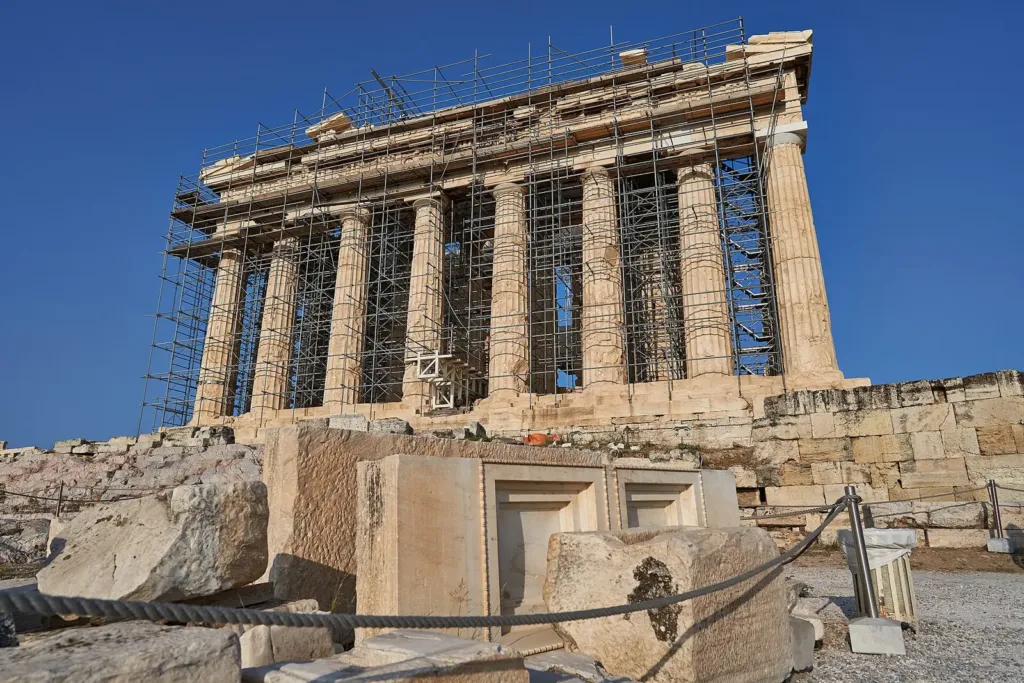
Acropolis and Parthenon should definitely be visited. The Acropolis hill stands 156 meters above sea level, and the Parthenon is located on the hill and is recognized as the most significant existing architectural monument of classical Greece.
Key Facts About Greece
Greece has about 10.5 million people, according to the 2021 census, which counted 10,482,487. Ethnic Greeks make up the majority of the population in this nation, while most inhabitants belong to the Greek Orthodox Church, estimated at between 80 and 90 percent.
It covers an area of 131,957 square kilometers. The country ranks around 95th in terms of size. Greece is among the major producers of olive oil, usually just after Spain and Italy. It produces several hundred thousand tonnes in a regular year, depending a lot on the harvest.
Some ancient Greeks had some strange beliefs in connection with beans. Pythagoras and his followers would not eat the broad beans since according to one explanation, they believed beans held the souls of the dead. Daily life was also quite different from ours, even washing clothes was done differently.
Mount Olympus is the highest mountain in Greece, rising to 2,918 meters. According to the ancient Greek religion, there were 12 Olympian gods and their king was Zeus. His daughter Athena was a goddess of wisdom, defense, and war.
This nation is located at the southern end of the Balkan Peninsula. To the west lies the Ionian Sea, the Aegean Sea lies to the east, and to the south is the Mediterranean Sea. In the north it has Albania, North Macedonia, and Bulgaria as its neighbors, while in the northeast it is Turkey. The land border with Turkey is about 200 km long.
It is often said that more than 4,000 traditional dances exist in Greece, which shows how deep its culture runs. There are plenty of ancient monuments which attract tourists from all around the world and some of them are the remains of a civilization which lived several thousand years ago.
Greece at a Glance
| Detail | Information |
|---|---|
| Official name | Hellenic Republic |
| Capital | Athens |
| Population | About 10.5 million (2021 census) |
| Total area | 131,957 sq km |
| Currency | Euro |
| Calling code | +30 |
| Time difference | 3 hours behind Pakistan (2 hours in summer) |
| UNESCO World Heritage Sites | 21 |
| Flag adopted | 22 December 1978 |
The flag was officially adopted on 22 December 1978. It consists of a white cross placed at the top left and nine horizontal stripes that are blue and white.
Travel to Greece: The Most Famous Tourist Places
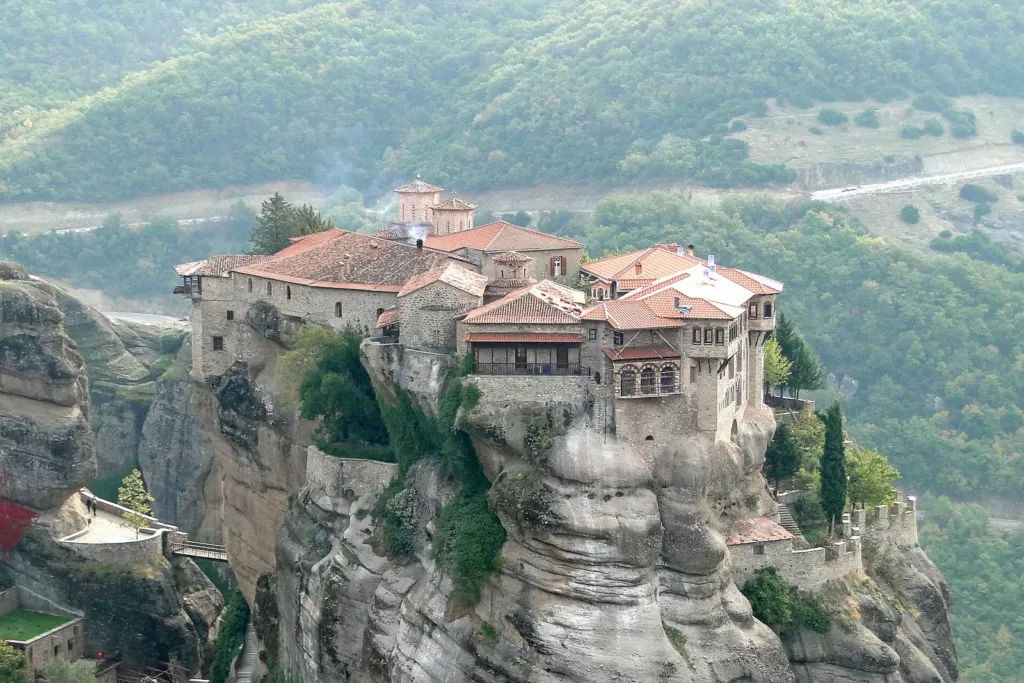
A good place to visit is Meteora. There you can find centuries-old monasteries which sit atop towering rock pillars, and this mix of nature and history has made it famous around the world.
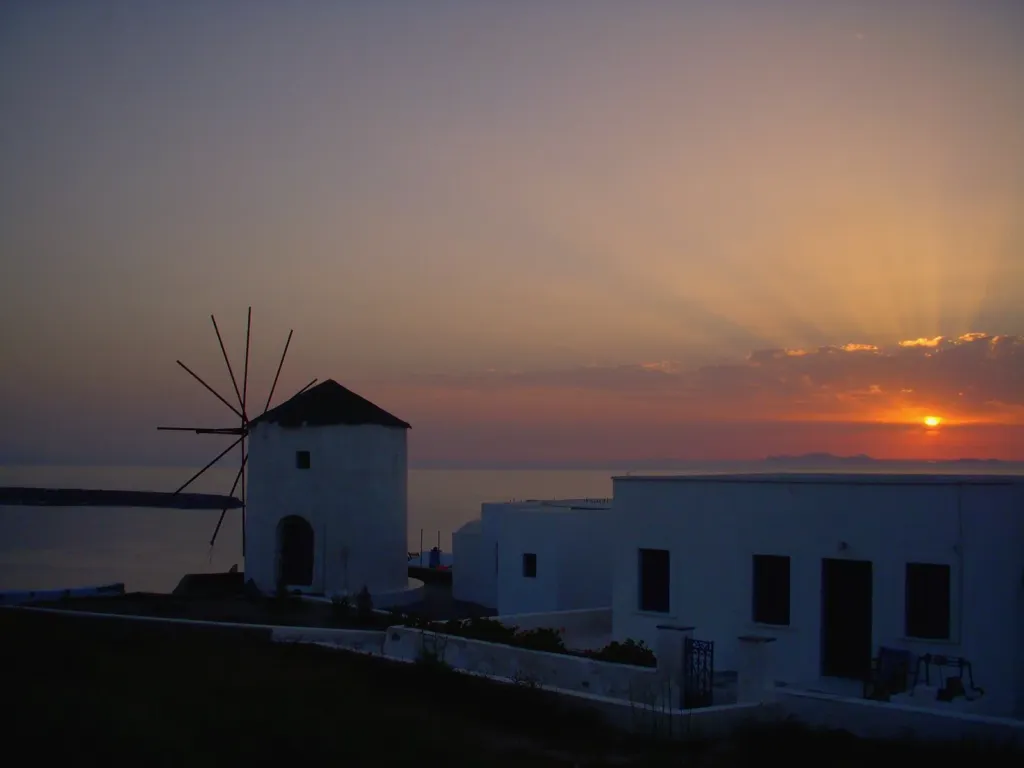
The white houses, hilltop villages, and beautiful vistas overlooking the sea are typical characteristics of Santorini, and its old lanes have become the face of the island.
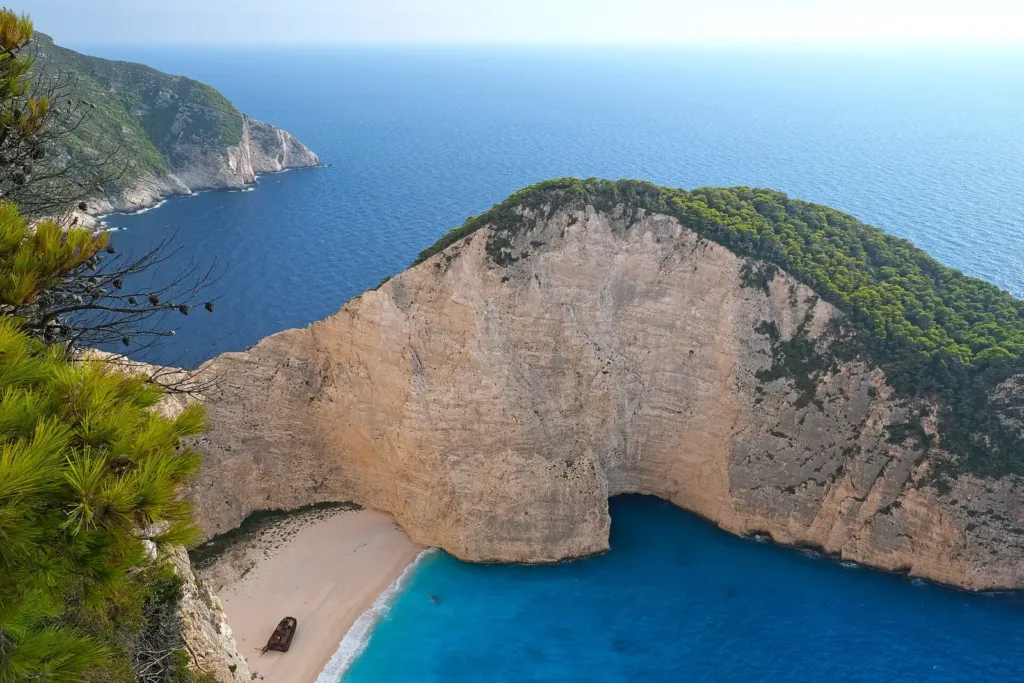
Zakynthos is well known for its wonderful beaches and crystal clear blue water, and it is one of the best-known tourist islands in Greece. Another beautiful island is Corfu, characterized by beautiful nature and coasts. Olives and olive oil products are known as a specialty of Kalamata.
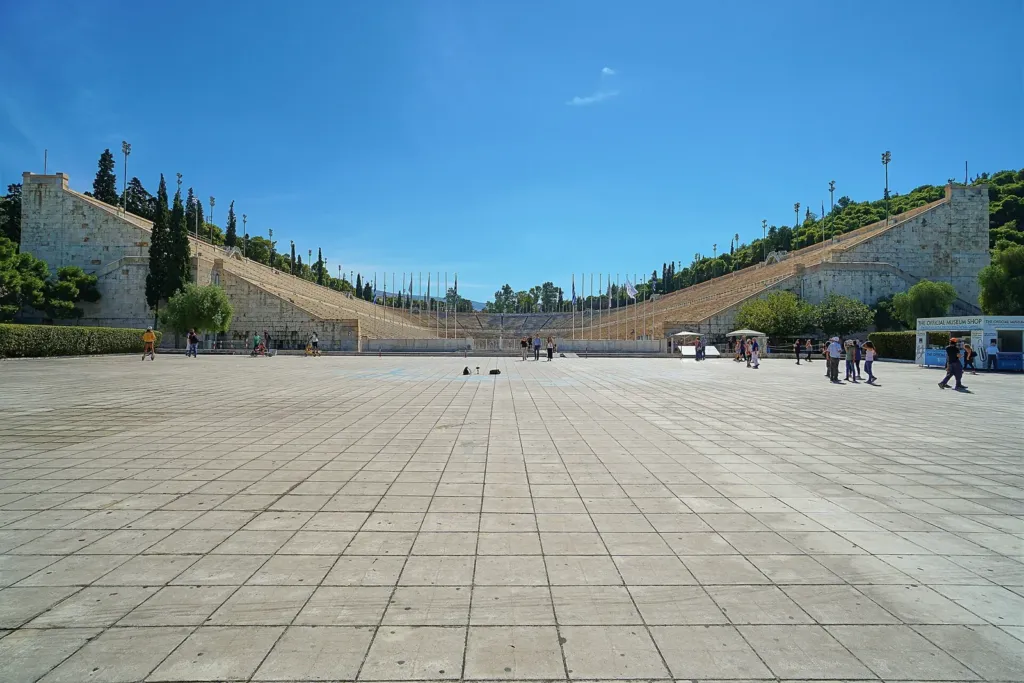
Apart from the Acropolis, there is the Ancient Agora which is an important landmark for the city’s history. Another historical site is the Panathenaic Stadium, the ancient marble stadium where the first modern Olympics took place. Greece is often referred to as a country that has more archaeological museums than any other country. The most well-known museum in Greece is the Acropolis Museum situated in the very center of Athens at the base of the Acropolis.
Opportunities for Students and Pakistanis
There are several Greek universities suitable for foreign students including the National Technical University of Athens, Aristotle University of Thessaloniki, and University of Patras. In addition to tourism, education and services make an important part of the Greek economy.
Some Pakistani citizens come to the country on work permits and do jobs in hair salons, agriculture, and other skilled occupations. Medical doctors, engineers and IT specialists are paid higher salaries when their qualifications are recognized in the country.
Annual fees for different programs vary between a few hundred and thousands of euros. The price for accommodation, food, and other expenses depends on the place you live in and your way of life. Many coastal regions and islands can be reached by ship or ferry, which is why sea travel between the islands is a big part of tourism in Greece.
Alexander the Great and the Byzantine Era
In ancient Athens, young men of about 18 would pledge their allegiance to the city in the ephebic oath. The construction of the Parthenon began in 447 BC.
Then comes the era of Alexander the Great. In 338 BC, his father, Philip II of Macedon, subjugated most of the Greek city-states under Macedonian rule, and Alexander held on to that power after taking the throne. He got the name “the Great” since he created an empire that stretched from Europe to Asia in a short period of time.
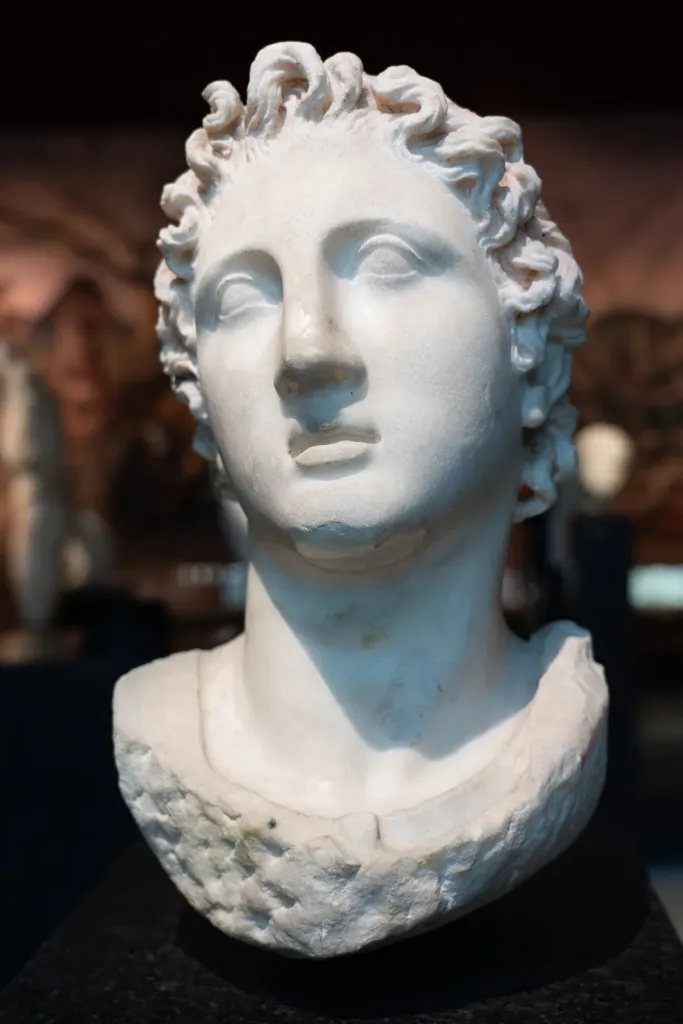
Born in July 356 BC, he belonged to the Macedonian royal family. Macedonia was an ancient kingdom to the north of classical Greece. Modern Greece disputed with its northern neighbor regarding this name, but this dispute was resolved via the Prespa Agreement in 2018, and in 2019 the country officially became North Macedonia.
He was the son of Philip II. He learnt riding from the finest horsemen and was tutored by Aristotle. At the age of 20, he inherited the throne.
At the age of 22, in 334 BC, he began his campaign from Macedonia. First, he secured Greece and proceeded to Asia Minor (modern-day Turkey). He marched across Syria and the Levant coast, conquered Egypt, defeated the Persian Empire, captured Babylon and Persia (modern-day Iran). On his way from the Indus region, a part of his army returned via the Makran desert.
He fell ill and died in 323 BC in the palace of Nebuchadnezzar in Babylon, at the age of 32. The place of his tomb and remains is unknown. His empire covered approximately two million square miles. He spread Greek culture across the continents and founded the city of Alexandria in Egypt, which still bears his name today.
The Roman Empire split in two parts, namely, the Western and the Eastern. The eastern part with its magnificent capital Constantinople (founded by Constantine) is also known as the Byzantine Empire. It consisted of the territories of today’s Greece and Turkey and existed for approximately one thousand years.
There are disputes over some islands between Turkey and Greece. One of the examples is the Greek island of Kastellorizo situated only about two kilometres away from the Turkish coast. Dispute over this island and the waters surrounding it is a point of great tension. The Eastern Mediterranean also holds huge gas deposits, and that causes conflicts between the two countries.
Istanbul was formerly called Constantinople, and before that it was called Byzantium. Therefore, the Roman emperors ruling from here are known as Byzantine rulers. This city is mentioned in hadiths related to the Prophet Muhammad (peace be upon him), and according to the Muslims, its capture is a fulfillment of his prophecy.
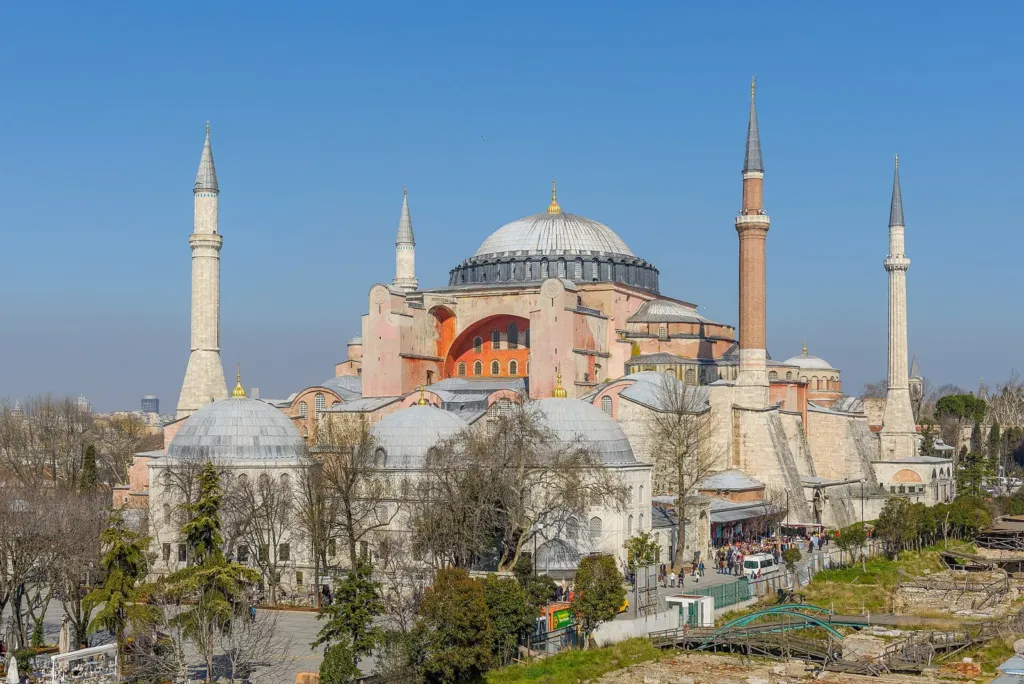
According to Muslims, this prophecy was fulfilled in 1453 when Sultan Mehmed II captured the city. There are also other hadiths related to the Malhama al-Kubra, the big end-times battle. In this tradition, the city will be captured again by non-Muslims and will be one of the last conquered cities during the time of Imam Mahdi.
There was a population exchange in 1923 between Greece and Turkey. The majority of Muslims in Greece were relocated to Turkey, while the Orthodox Christians from Turkey were moved to Greece. Muslims in Western Thrace were an exception and remained there. Nowadays, there is a recognized minority consisting of about 100,000 to 140,000 people. Alongside immigrants, Muslims are only about 2 to 4 percent of the population now, not the much larger figures that are sometimes quoted. Many of the newer Muslim residents come from countries such as Pakistan, Afghanistan, Bangladesh, Syria and Iran.
The Olympics and the Real Story of Barbarossa
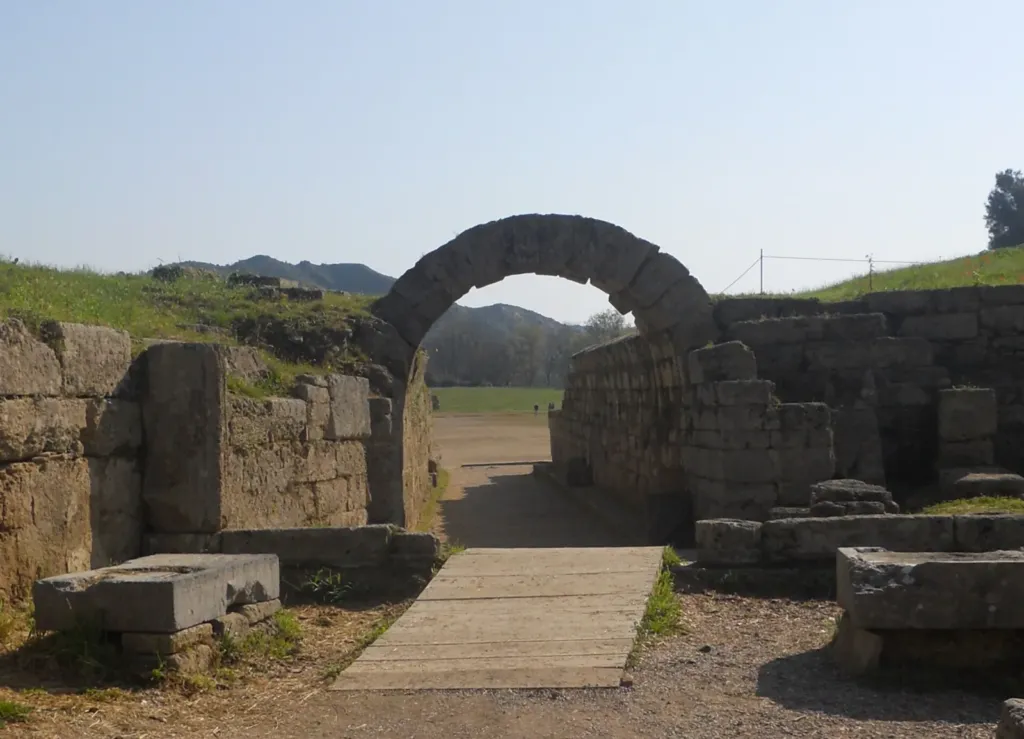
As the city-states grew, each one had the natural reaction to prove itself to be the best. Thus, they sent the best athletes to Olympia for the physical contest.
Another significant feature of the ancient Greeks was their belief that the gods favored the winners. Zeus himself was supposed to watch the running athletes, helping some of them and letting others lose, and this was how a true champion emerged. Aristotle and other scholars described the games.
The first thirteen Olympiads involved only one event – the stadion, which was a foot race for about 190 meters. The athletes were competing naked. During the games, one hundred oxen were offered to Zeus in sacrifice. Married women were strictly forbidden to come to the competitions.
All these details characterize the attitude of the time quite well. Aristotle considered woman to be an “incomplete” or “deformed” man and his thoughts influenced Greek society and European culture for centuries to come. Other philosophers also had a rather restricted concept of the role of women in society.
You’ve probably watched the Hollywood film Pirates of the Caribbean with a pirate called Barbossa. His name looks similar to the historical Barbarossa, but in reality, it’s a completely different story.
The historical Hayreddin Barbarossa, meaning “Red Beard,” was born around the 1470s on the Greek island of Lesbos (Midilli in Turkish). His real name was Hızır, and he was a son of Yakup. He started as a Turkish sailor and then became the grand admiral (Kapudan Pasha) of the Ottoman Navy.
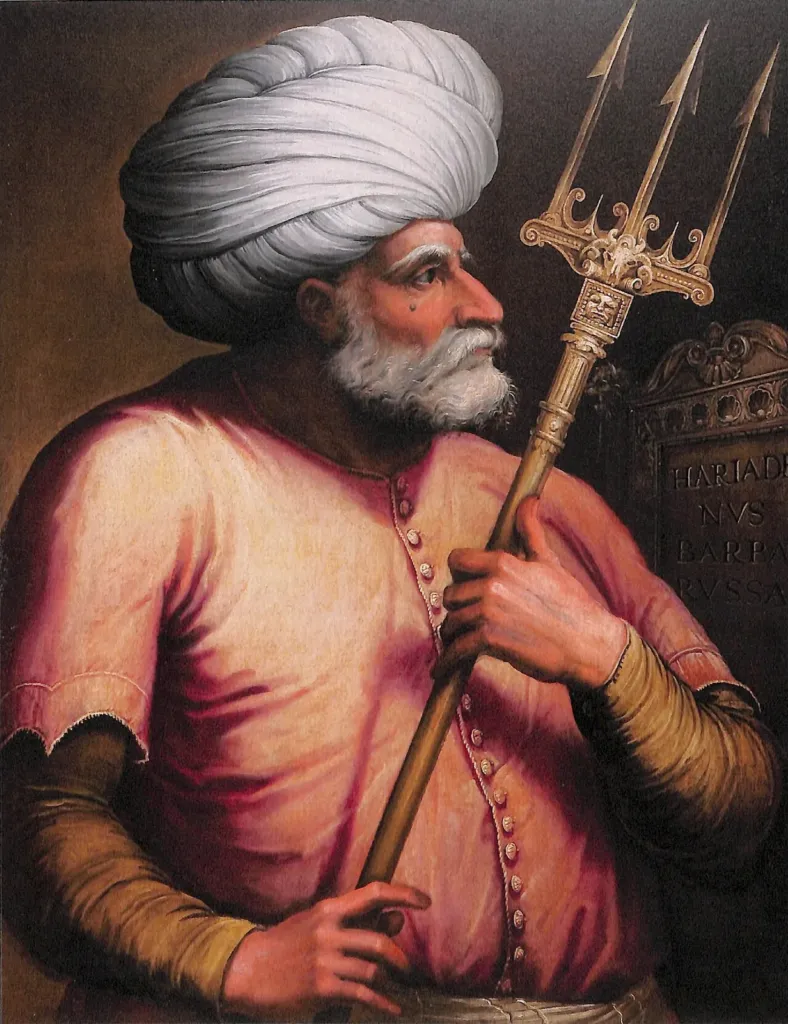
He got the honorific name of Hayreddin, which means “goodness of the faith,” from the Ottoman sultan. In 1533, Sultan Suleiman the Magnificent appointed him a head of the Ottoman fleet, and for many years he dominated the Mediterranean Sea. He died in Istanbul.
The name Barbarossa first became famous thanks to Hayreddin’s elder brother Oruç. Between 1492, when Granada fell, and about 1510, Oruç helped persecuted Muslims escape from Spain to North Africa. Due to his help for the Spanish Muslims, they started to call him Baba Oruç, which means “Father Oruç.”
In Spain, Italy, and France, this Baba Oruç became a dreaded figure and took the name of Barbarossa. He was killed by the Spanish in Algeria in 1518. Like his brother, Hayreddin continued his policy of bringing Muslims from Spain to North Africa, which won him strong support among Muslims who opposed Spain.
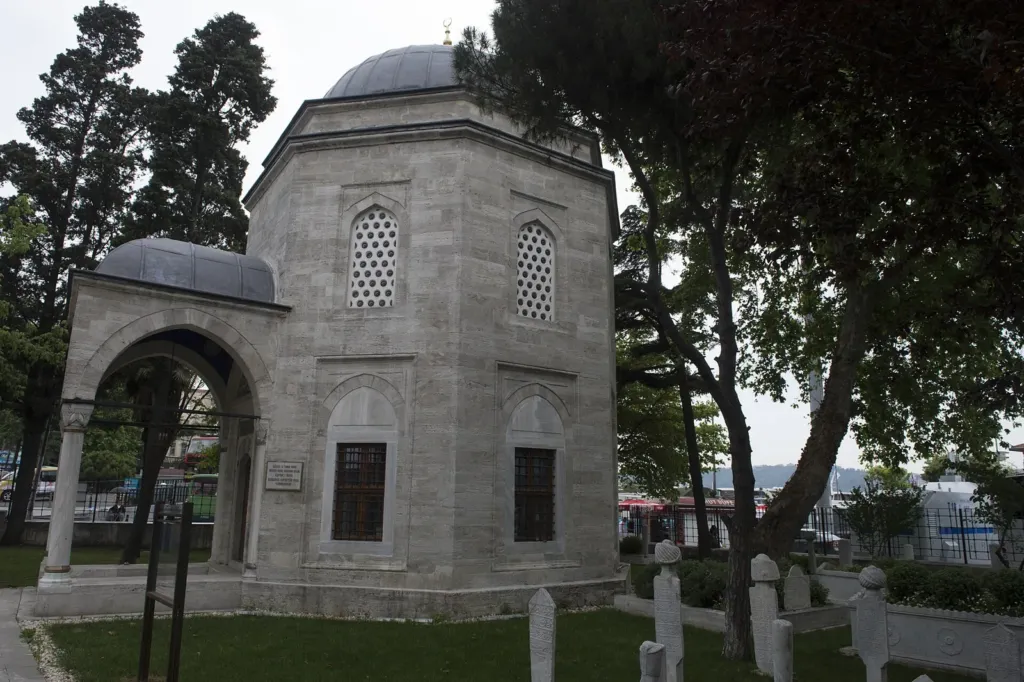
In 1519, he defeated the combined Spanish and Italian forces trying to capture Algiers. Hayreddin Barbarossa died in 1546 in his palace on the Bosphorus in Istanbul. He is buried in Beşiktaş, not far from the Istanbul Naval Museum. Several ships were named after him. It is traditional for the Turkish Navy ships to salute his grave while passing through the Bosphorus.
A Few Interesting Facts
There is a very small Greek island with no more than 22 permanent inhabitants. The island is considered a great place for climate scientists. Few people live there permanently, but there are lots of goats that freely walk around, therefore, close your doors since goats often come inside without any invitation.
The ancient Greek city-state Sparta played a huge role in history and was famous for the rigorous military training of its citizens. The city was settled by the Dorians before 1000 BC. All full citizens had to serve in the army. Another famous ancient Greek city was Athens along with its surrounding area – Attica. They were known for their powerful navy, which rival states envied.
As a result of devastating earthquakes of 1999 that occurred in Turkey (August) and in Athens (September), Greece and Turkey helped each other and the atmosphere of mutual sympathy appeared in both countries. The “earthquake diplomacy” decreased the tension between these countries. Since January 1, 1981 Greece has been a member of the European Union. It entered the eurozone on January 1, 2001, and euro banknotes and coins came into circulation on January 1, 2002.
Greece has hosted the modern Olympic Games twice – in 1896 and 2004. Football is followed with great passion. People also like to play basketball, water polo, volleyball and handball. There are even some cricket fans in Greece, especially on the island of Corfu, where the game has been played since the 19th century.
While protecting its ancient culture, the country attracts millions of tourists, and tourism contributes greatly to the economy. In 2006 a legal framework was approved to construct a mosque for Muslims in Athens. Besides Greek, such languages as Turkish, Bulgarian (Pomak), Romani, etc. are spoken in Greece. Famous philosophers Socrates, Plato and Aristotle are known worldwide.
Final Thoughts on Travel to Greece
Greece is not only a destination for tourists. It is like a book with every page filled with the history of humankind, science, philosophy, and culture. The country boasts 21 UNESCO World Heritage Sites, 6,000 islands, and 80 percent of the landmass of Greece consists of mountains.
When you plan to travel to Greece, remember that every city, every island, and every monument has its history. No matter whether you are a student, a professional, or just a traveler, you will enjoy an unforgettable experience!
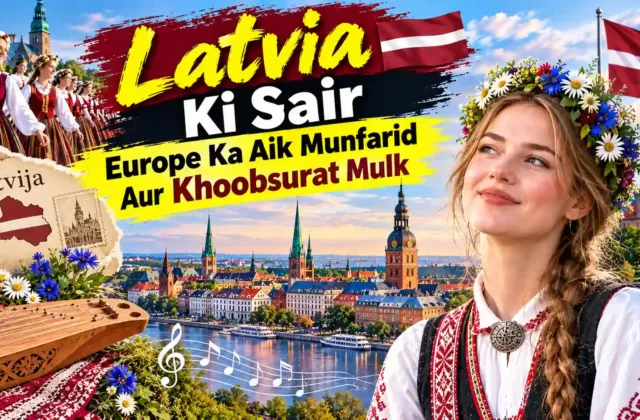
Hopefully, you have learned some interesting things about Greece with the help of this guide. Feel free to share it with your friends and comment on your views on this destination. More information can be found on Wikipedia and the official website of Greek tourism Visit Greece. You may also want to visit our blog posts about the most beautiful beaches of the world, including Elafonissi beach in Crete and Latvia as a travel destination.
Frequently Asked Questions About Travel to Greece
What is the official name of Greece?
The official name of Greece is Hellenic Republic and the people of Greece are called Hellenes.
Why is Athens called the oldest capital in Europe?
People have inhabited the area of Athens for 7,000 years. Athens became the capital city of Greece only in 1834, but its long-lasting history makes it the oldest capital of Europe for many people.
How many islands and UNESCO sites does Greece have?
Greece has approximately 6,000 islands and islets, but only a little over 200 of them are inhabited. It boasts 21 sites that are listed as UNESCO World Heritage, which include Acropolis, Meteora, and Olympia.
What is the time difference between Pakistan and Greece?
It is 3 hours behind Pakistan during the winter season and 2 hours behind Pakistan during the summer season because Greece moves its clocks forward for daylight saving time.
Who was the real Barbarossa?
Hayreddin Barbarossa was an Ottoman grand admiral born on the Aegean island of Lesbos around the 1470s. He held sway over a large portion of the Mediterranean, resisted the Spanish attack on Algiers in 1519, and died in Istanbul in 1546. He is different from Barbossa from Pirates of the Caribbean.
What percentage of Greece’s population is Muslim?
The number of Muslims is only 2 to 4 percent of the total population. It consists of the officially recognized minority of Muslims in Western Thrace and immigrants coming from countries such as Pakistan, Afghanistan, and Bangladesh.


Leave a Comment