

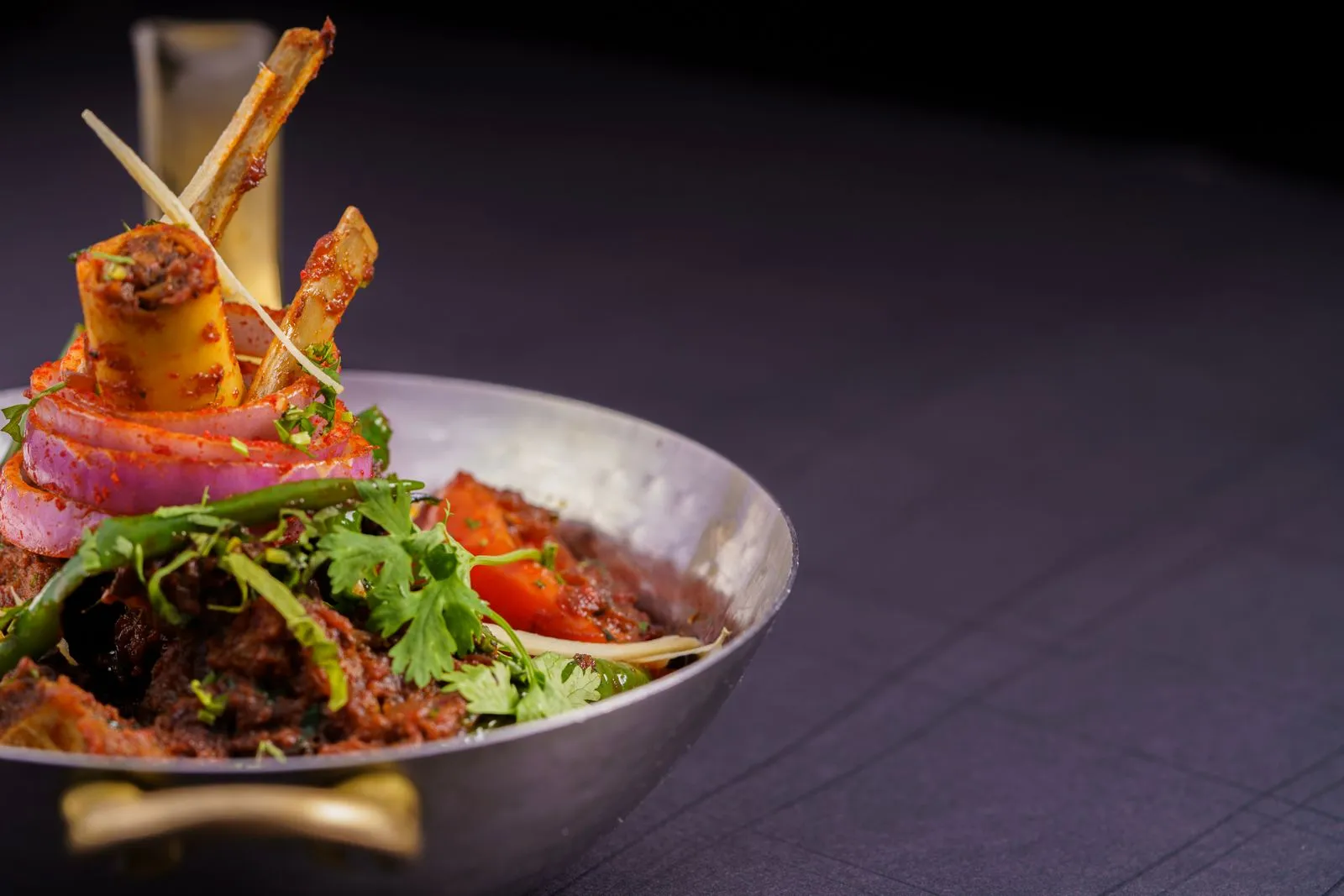
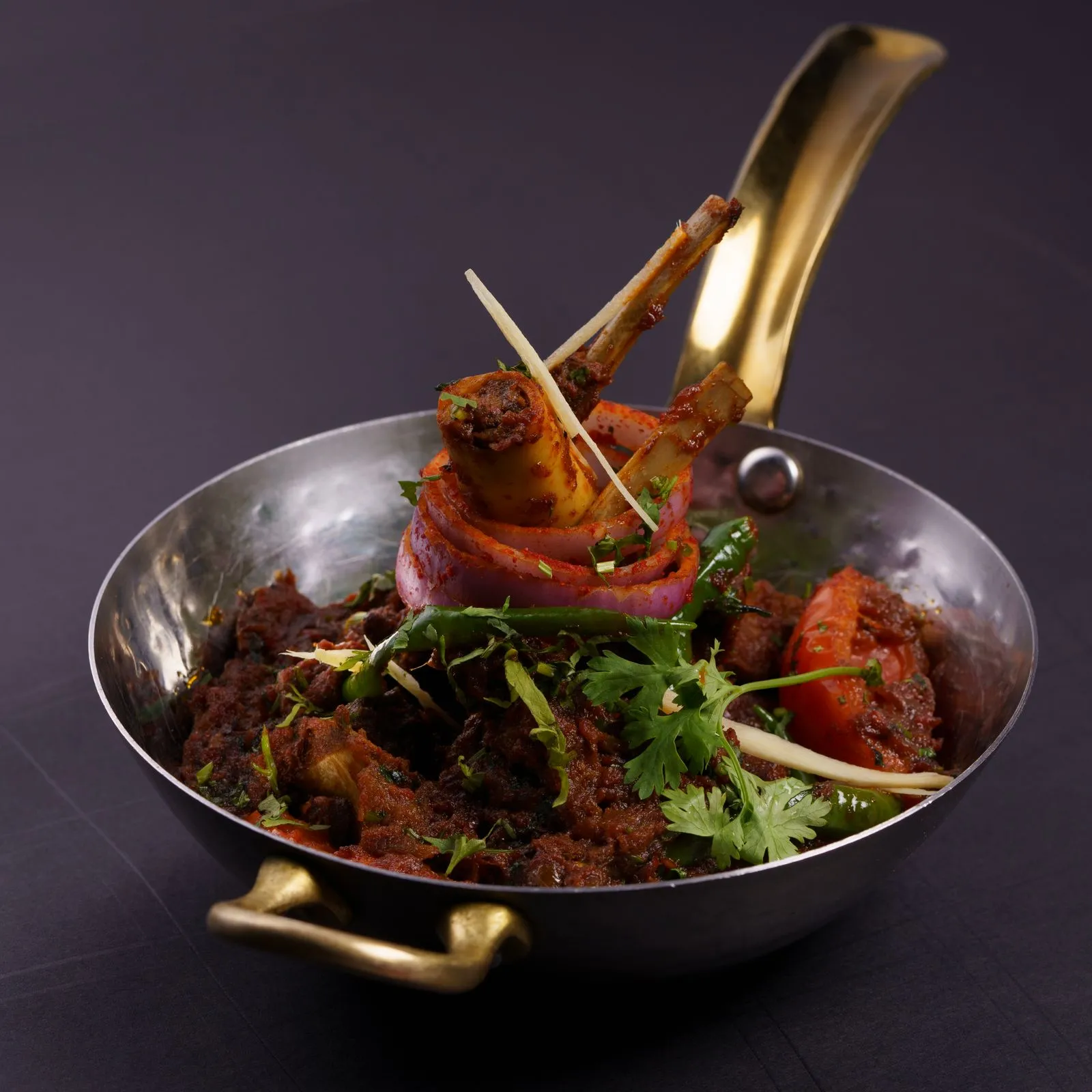
Ask anyone from Hyderabad or Larkana what gets cooked when guests are coming, and korma will be near the top of the list. It turns up at Eid lunches, at shaadi dinners and at those long Sunday gatherings where all the khalas and chachas arrive at once. The gravy is thick and glossy, the boti comes off the haddi with a gentle push, and the smell of elaichi and zafran reaches the gate before the food reaches the dastarkhwan.
In this article (30)
- What Makes Sindhi Mutton Korma Special
- Recipe Overview
- Ingredients for Sindhi Mutton Korma
- Choosing the Right Mutton
- How to Make Sindhi Mutton Korma Step by Step
- Step 1. Wash and Marinate the Mutton
- Step 2. Fry the Onions Until Golden Brown
- Step 3. Temper the Whole Spices
- Step 4. Bhuna the Mutton
- Step 5. Add the Onions and Nut Paste
- Step 6. Simmer Slowly Until Tender
- Step 7. Add Garam Masala and Saffron
- Step 8. Final Dum and Rest
- Pressure Cooker Method
- How to Serve Sindhi Mutton Korma
- Expert Tips for the Best Korma
- Common Mistakes to Avoid
- Variations You Can Try
- Storage and Reheating
- Approximate Nutrition per Serving
- Frequently Asked Questions
- What is Sindhi Mutton Korma?
- How long does Sindhi Mutton Korma take to make?
- Can I use almonds instead of cashews in mutton korma?
- What should I serve with Sindhi Mutton Korma?
- How do I make the mutton soft?
- Can I make Sindhi Mutton Korma in advance?
- Can I make the korma less spicy?
- Why did my korma gravy split?
- Final Thoughts
This Sindhi Mutton Korma Recipe uses simple things you probably already have at home. You need mutton, dahi, onions, a few whole spices, a handful of kaju or badam and a pinch of saffron. Nothing here is hard. The only real secret is patience, first with the onions and later with the slow simmer. Stick with the method below and your Sindhi Mutton Korma will taste like it came out of a wedding degh, not a rushed weeknight pot.
What Makes Sindhi Mutton Korma Special
Korma goes back to the Mughal kitchens. The name comes from an old word for braising, which is exactly what we do here, cooking meat slowly in its own juices with yogurt. If history interests you, Wikipedia has a good page on how korma travelled across the subcontinent. Every region gave it a local twist, and Sindh did the same.
So what is the Sindhi twist? Balance. In my view it works like a good cricket side. Dahi bowls the sour line, the dark golden onions bat for sweetness, mutton is the captain, and the whole spices field quietly in the background. Then come the ground nuts for body, and right at the end a pinch of zafran that makes guests ask what smells so good. Yes, it is rich. But a properly cooked korma should leave you happy, not sleepy and reaching for a glass of soda.
Recipe Overview
| Detail | Information |
|---|---|
| Recipe Name | Sindhi Mutton Korma |
| Cuisine | Sindhi and Mughlai |
| Course | Main course |
| Servings | 4 to 6 people |
| Preparation Time | 20 to 25 minutes, plus marinating |
| Cooking Time | 60 to 90 minutes on the stove |
| Difficulty | Easy to medium |
| Best Served With | Naan, roti, paratha, plain basmati rice or pulao |
Ingredients for Sindhi Mutton Korma
| Ingredient | Quantity |
|---|---|
| Mutton (bone in pieces) | 1 kg |
| Plain yogurt (dahi), whisked | 1 cup |
| Onions (pyaz), thinly sliced | 3 medium |
| Ginger garlic paste | 2 tablespoons |
| Red chilli powder | 1 to 1½ teaspoons |
| Turmeric powder (haldi) | ½ teaspoon |
| Coriander powder (dhania) | 1½ teaspoons |
| Salt | 1 to 1½ teaspoons, or to taste |
| Cooking oil or ghee | ½ cup |
| Cashews or almonds (kaju or badam) | ½ cup |
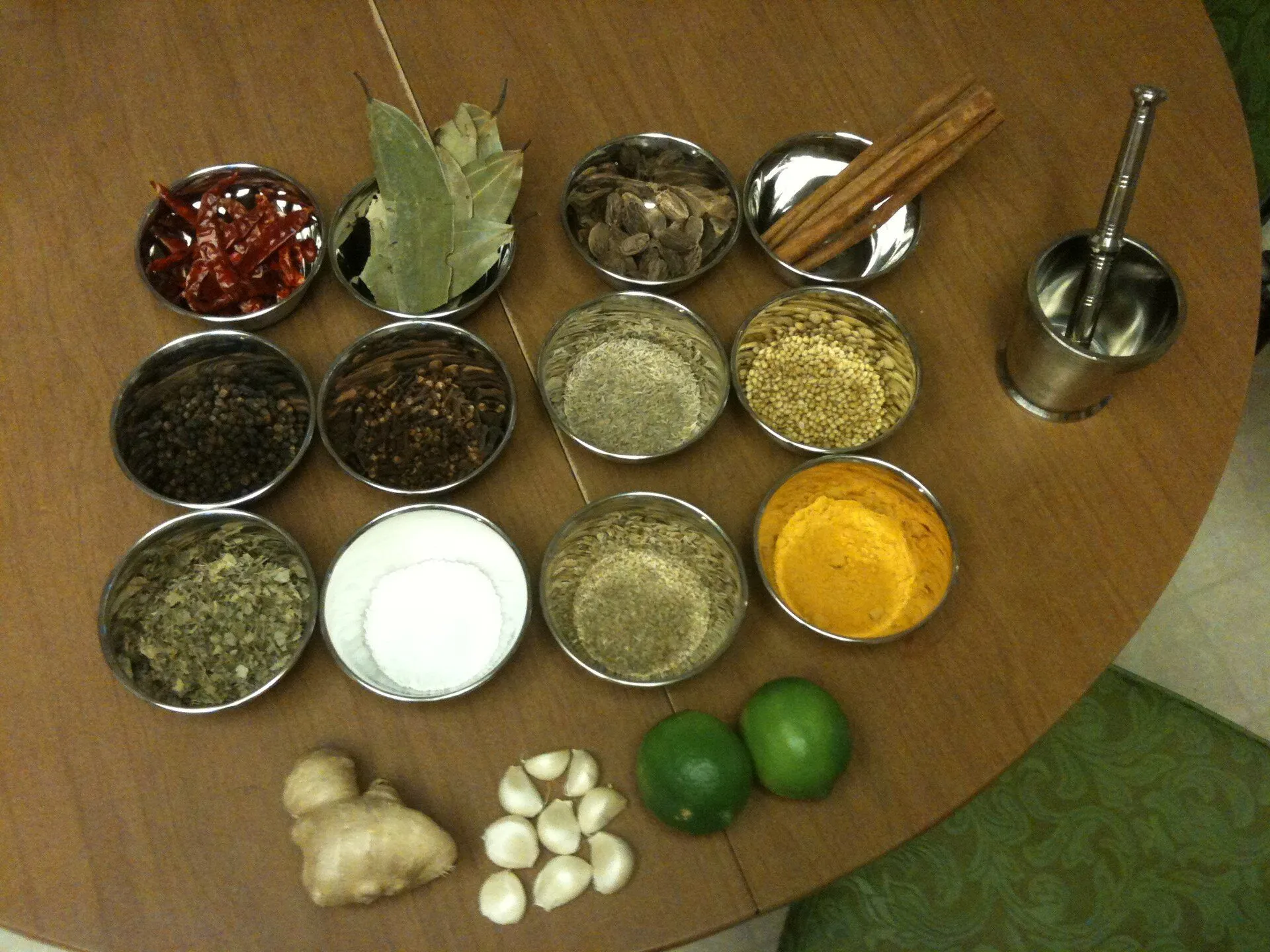
| Green cardamom (elaichi) | 4 to 5 pods |
| Cloves (laung) | 4 to 5 |
| Cinnamon stick (darcheeni) | 1 to 2 small pieces |
| Bay leaves (tez patta) | 1 to 2 |
| Garam masala powder | ½ teaspoon |
| Saffron (zafran) | A small pinch |
| Warm milk or water for saffron | 2 tablespoons |
| Hot water | 2 to 3 cups, as needed |
Choosing the Right Mutton
Go to your qasai and ask for dasti (shoulder), champ (ribs) and a bit of raan (leg), all with the bone in. The bones melt a little gelatine into the gravy, which is why bone in korma always tastes fuller. Pieces of 2 to 3 inches are ideal because they cook at the same pace. Meat from a young bakra gets soft quickly. Older mutton tastes stronger, though you will need to give it an extra half hour or so on the stove. Smelly meat? A quick rinse and a good yogurt marinade usually sorts it out.
How to Make Sindhi Mutton Korma Step by Step
Step 1. Wash and Marinate the Mutton
Wash the mutton well and let it drain in a colander so that no extra water dilutes the marinade. In a large bowl, mix the yogurt, ginger garlic paste, red chilli powder, turmeric, coriander powder and a little salt. Add the mutton and coat every piece properly. Leave it for at least 30 minutes. If you have time, cover the bowl and keep it in the fridge for a few hours or even overnight. Try it both ways once, and you will see for yourself how much softer the overnight batch is.
Step 2. Fry the Onions Until Golden Brown
Heat the oil or ghee in a heavy bottomed pot. Tip in the sliced onions and keep the flame at medium. Onions wait for nobody, so keep your eyes on the pan. Take them to an even golden brown colour. Watch them closely in the last few minutes because onions go from golden to burnt very quickly, and burnt onions will make the whole korma bitter. In most Pakistani kitchens these fried onions are called birista, and the whole gravy leans on them. Sweetness, colour, that roasted depth, it all comes from here.
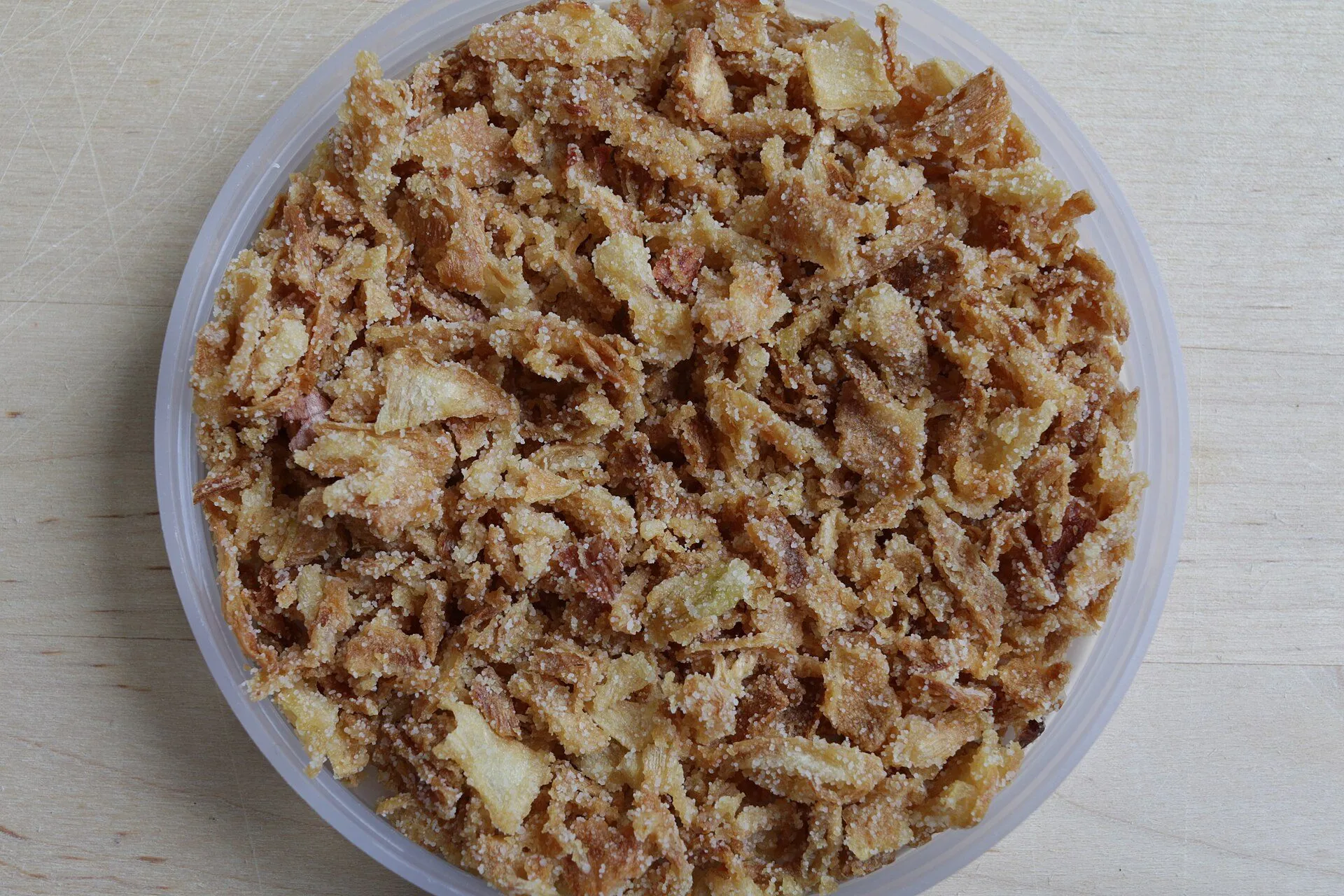
Lift the onions out with a slotted spoon and spread them on a plate or paper towel. Give them five minutes and they crisp up on their own.
Step 3. Temper the Whole Spices
In the same oil, add the cardamom, cloves, cinnamon and bay leaves. Let them sizzle for 20 to 30 seconds until they smell fragrant. Your nose will tell you when it is done, and that smell stays with the dish till the last plate.
Step 4. Bhuna the Mutton
Add the marinated mutton along with all of its marinade. Cook on medium heat, stirring regularly, until the meat changes colour, the liquid from the yogurt dries up and you see oil separating at the sides of the pot. This bhunai stage usually takes 10 to 15 minutes. Please be patient here. Proper bhuna is what gives a home cooked korma its deep, rich taste.
Step 5. Add the Onions and Nut Paste
Crush the fried onions with your hands or blend them coarsely and add them to the pot. Next, blend the cashews or almonds with a little water into a smooth paste and stir it in. The nuts give the gravy a creamy texture and a gentle richness. Give it 2 or 3 minutes with the spoon moving. Nut paste loves to stick to the bottom of the pot if you walk away.
Step 6. Simmer Slowly Until Tender
Pour in 2 cups of hot water, stir and bring it to a boil. Then lower the heat, cover the pot and let the mutton simmer. Peek in every 15 minutes. Dry looking pot? A little more hot water. Always add hot water rather than cold, because cold water can toughen the meat. Depending on the age of the mutton, this will take 60 to 90 minutes. The meat is ready when it pulls easily away from the bone.
Step 7. Add Garam Masala and Saffron
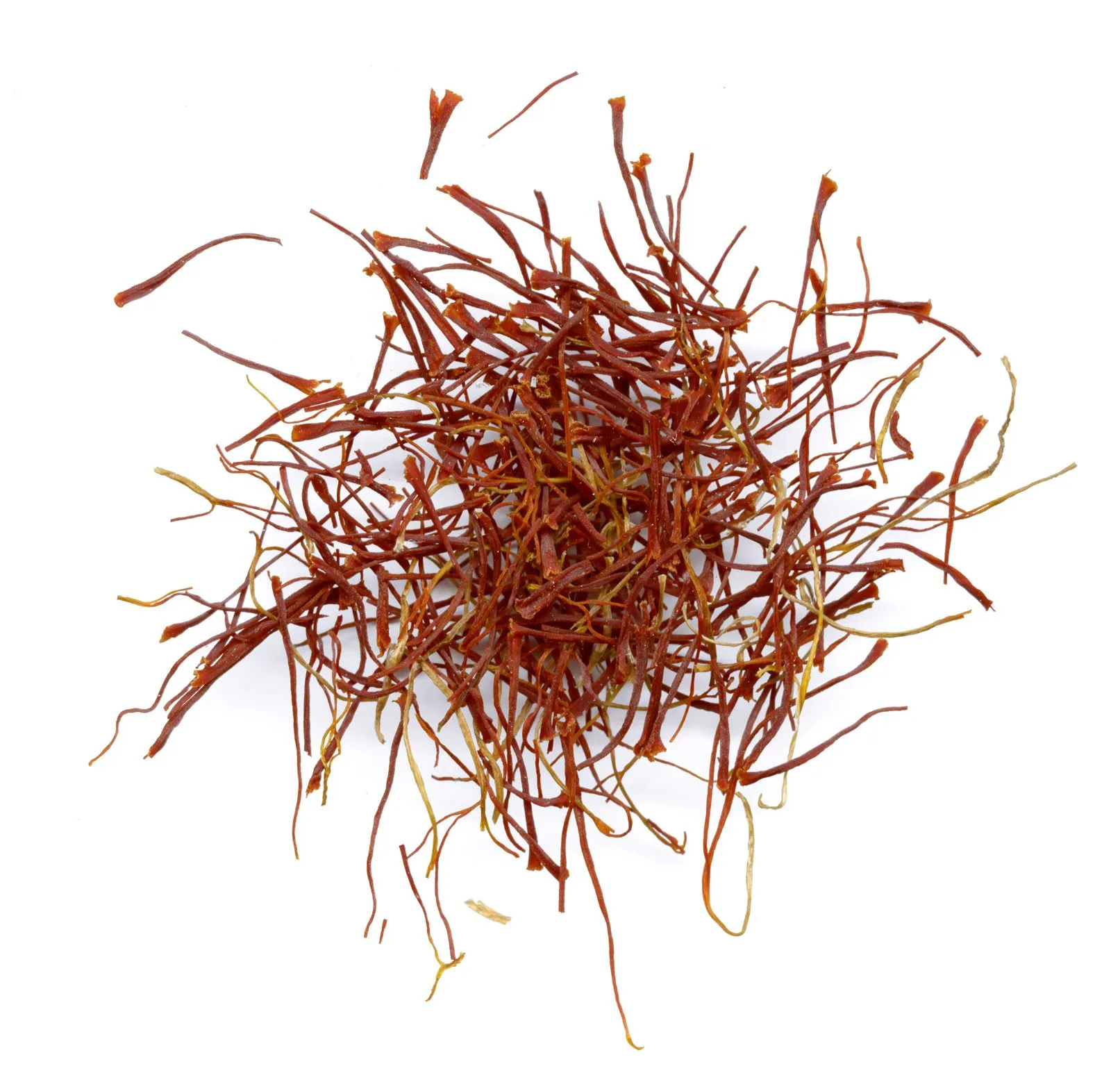
While the meat cooks, soak the saffron in 2 tablespoons of warm milk or water. Once the mutton is tender and the gravy starts to thicken, sprinkle in the garam masala and pour in the saffron with its liquid. Stir gently. That one small pinch is what makes the kitchen smell like an Eid morning, and it tints the gravy a pale gold too.
Step 8. Final Dum and Rest
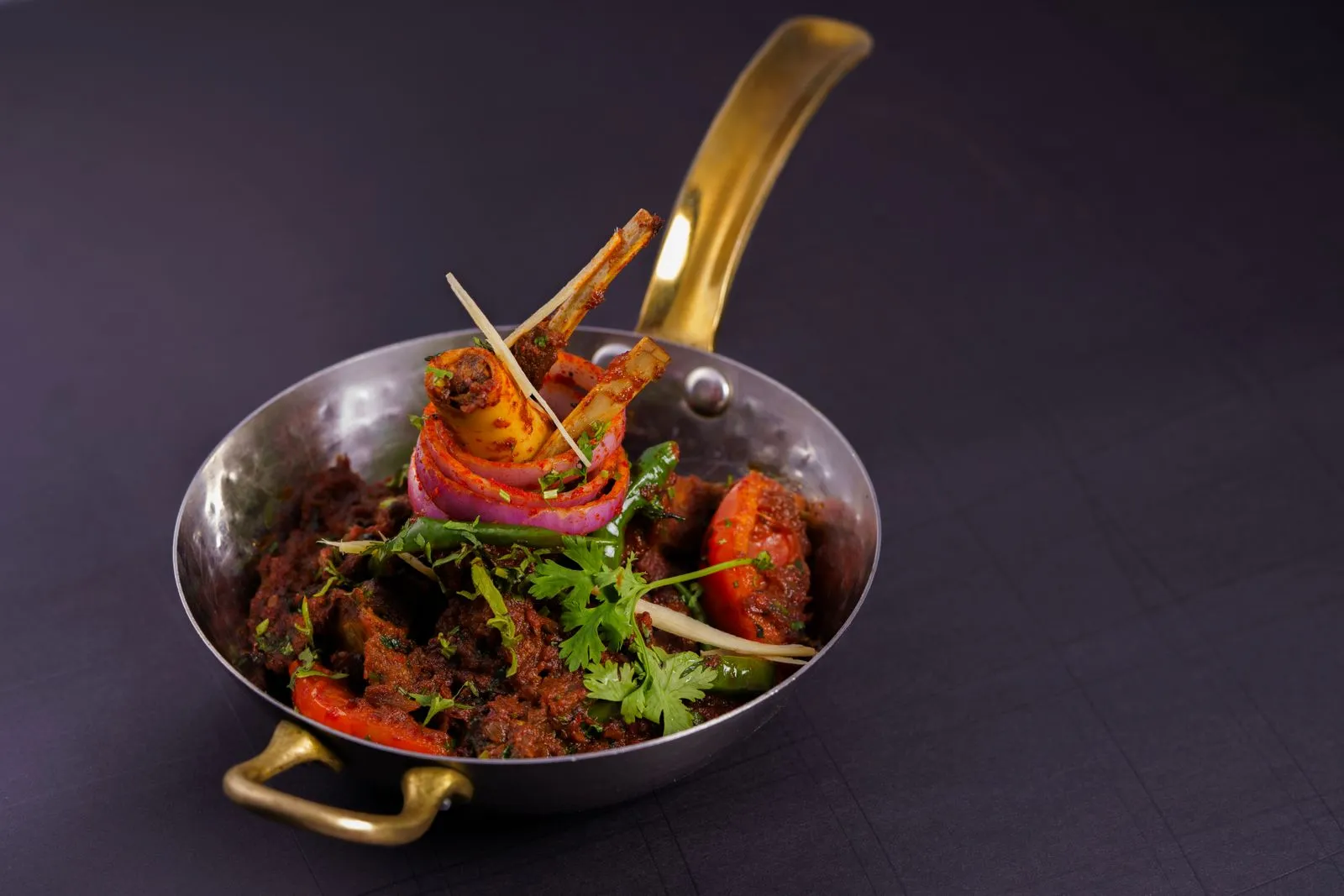
Cover the pot and cook on the lowest heat for another 5 to 10 minutes. You are looking for a thick, aromatic gravy with a thin layer of oil shining on top. Turn off the stove and let the korma rest for 10 minutes before serving. Korma that sits for a bit always tastes better than korma served straight off the flame, and the gravy tightens up nicely.
Pressure Cooker Method
No time to simmer for nearly two hours? Fair enough, most of us have been there. Do steps 1 to 5 in the pressure cooker itself. Add just 1 to 1½ cups of hot water, shut the lid and let it go for 15 to 20 minutes after the first whistle. Older meat may need a few minutes more. Let the pressure drop on its own, then open it and let the gravy bubble on medium until it thickens. Garam masala and saffron go in last, same as before. Is it identical to the slow version? Very close. Still, for Eid and big dawats, most Sindhi aunties stick to the patila.
How to Serve Sindhi Mutton Korma
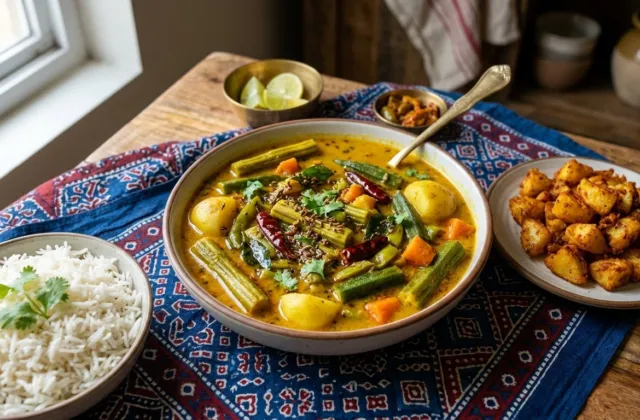
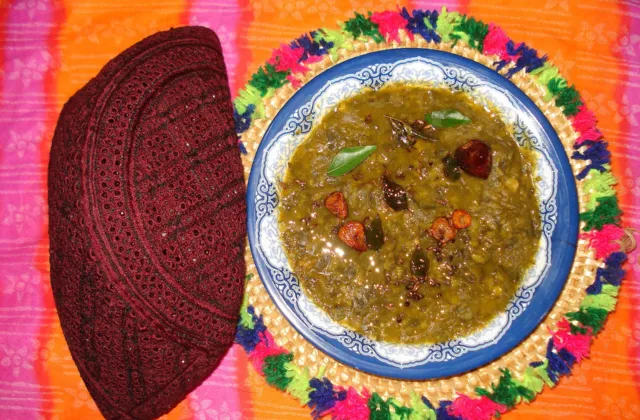
Serve the korma hot with fresh naan, soft roti or a flaky paratha. Plain basmati rice and a simple pulao are also excellent partners for this rich gravy. On special occasions, set the table with a fresh salad, cool raita and a little achar on the side. If you want a complete Sindhi spread, pair it with our Sindhi Biryani Recipe or a lighter vegetable dish such as Sai Bhaji.
Expert Tips for the Best Korma
- Fry the onions properly. An even golden brown colour is the single most important step for authentic taste.
- Use whole milk yogurt. It is less likely to split and gives a creamier gravy. Whisk it well before adding it to the marinade.
- Marinate in advance. Even three or four hours in the fridge makes a real difference.
- Cook on low heat. Slow simmering is what makes the mutton soft and helps the spices blend into the meat.
- Go easy or go hot. Heat comes from the red chilli powder and nothing else. Kids at the table? Use a little less. Leave the rest of the masala alone.
- Add kewra if you like. A few drops of kewra water at the end give a dawat style aroma, though it is optional.
Common Mistakes to Avoid
- Adding cold water during cooking, which can make the mutton tough.
- Burning the onions, which leaves a bitter taste in the gravy.
- Skipping the bhuna. You will taste raw masala, and nobody wants that.
- Throwing in the garam masala at the start. By the time the meat is done, its smell is almost gone.
- Cooking on high heat to save time, which dries the outside of the meat while the inside stays chewy.
Variations You Can Try
- Chicken Korma. Use the same method with 1 kg chicken and cut the simmering time to about 25 to 30 minutes.
- Beef Korma. Use boneless or bone in beef and allow a little more simmering time than mutton.
- Shahi Korma. Add 2 tablespoons of fresh cream at the end along with a few drops of kewra water for an extra rich finish.
- Lighter Korma. Reduce the oil to ¼ cup and use almonds instead of cashews.
Storage and Reheating
Korma tastes even better the next day because the spices have more time to blend. Let it cool and refrigerate it within two hours of cooking in an airtight container. It will keep for up to 3 days in the fridge and around 2 months in the freezer. When you want to eat it again, put it on a low flame with a little hot water and keep stirring now and then. Avoid boiling it hard, because the yogurt and nut base can split.
Approximate Nutrition per Serving
Based on 6 servings, one portion of this korma provides roughly 450 to 550 calories, 30 to 35 grams of protein and 30 to 38 grams of fat. These figures are estimates and will change with the cut of mutton, the amount of oil and the nuts you use. Since there is no atta in this gravy, anyone at home who stays away from gluten can enjoy it with plain chawal.
Frequently Asked Questions
What is Sindhi Mutton Korma?
Sindhi Mutton Korma is a rich mutton dish cooked with yogurt, golden fried onions, aromatic whole spices and ground nuts. It is usually served with a thick, flavourful gravy at Eid, weddings and family dawats.
How long does Sindhi Mutton Korma take to make?
Preparation takes about 20 to 25 minutes and cooking takes 60 to 90 minutes. Bigger pieces and older meat will push it toward the longer end.
Can I use almonds instead of cashews in mutton korma?
Yes. Almonds work just as well as cashews. Both give the gravy a rich and creamy texture. Soak almonds in hot water for 15 minutes and peel them for the smoothest paste.
What should I serve with Sindhi Mutton Korma?
It goes well with naan, roti, paratha, plain basmati rice or pulao. Salad, raita and achar make good side dishes.
How do I make the mutton soft?
Marinate the mutton in yogurt and spices, then cook it on low heat with hot water. A low flame is your best friend here. Rushing it on high heat is the usual reason for chewy mutton.
Can I make Sindhi Mutton Korma in advance?
Yes. You can cook the korma a day ahead and reheat it gently before serving. A lot of families in Sindh actually prefer it the next day.
Can I make the korma less spicy?
Yes. Simply reduce the red chilli powder. My advice is to go light at first and taste it near the end. Chilli can always go in later, but it cannot come out.
Why did my korma gravy split?
Yogurt splits when it meets very high heat or when it is made from skimmed milk. Use whole milk yogurt, whisk it well and keep the flame at medium during the bhuna stage.
Final Thoughts
That is really all there is to it. Good mutton, dahi, onions fried with care, a few whole spices and a slow flame. Whether you are feeding twenty people at a dawat or just your own family on a Friday night, this korma fits right in. Give the onions and the simmer the time they need, and you will not go back to shortcuts.
Hungry for more from Sindh? Try our Sindhi Kadhi Recipe, the breakfast favourite Sindhi Koki and the classic Palla Machhi Recipe, or read up on Sindhi culture and traditions.



1 Comment
Thanks for sharing dear
Leave a Comment