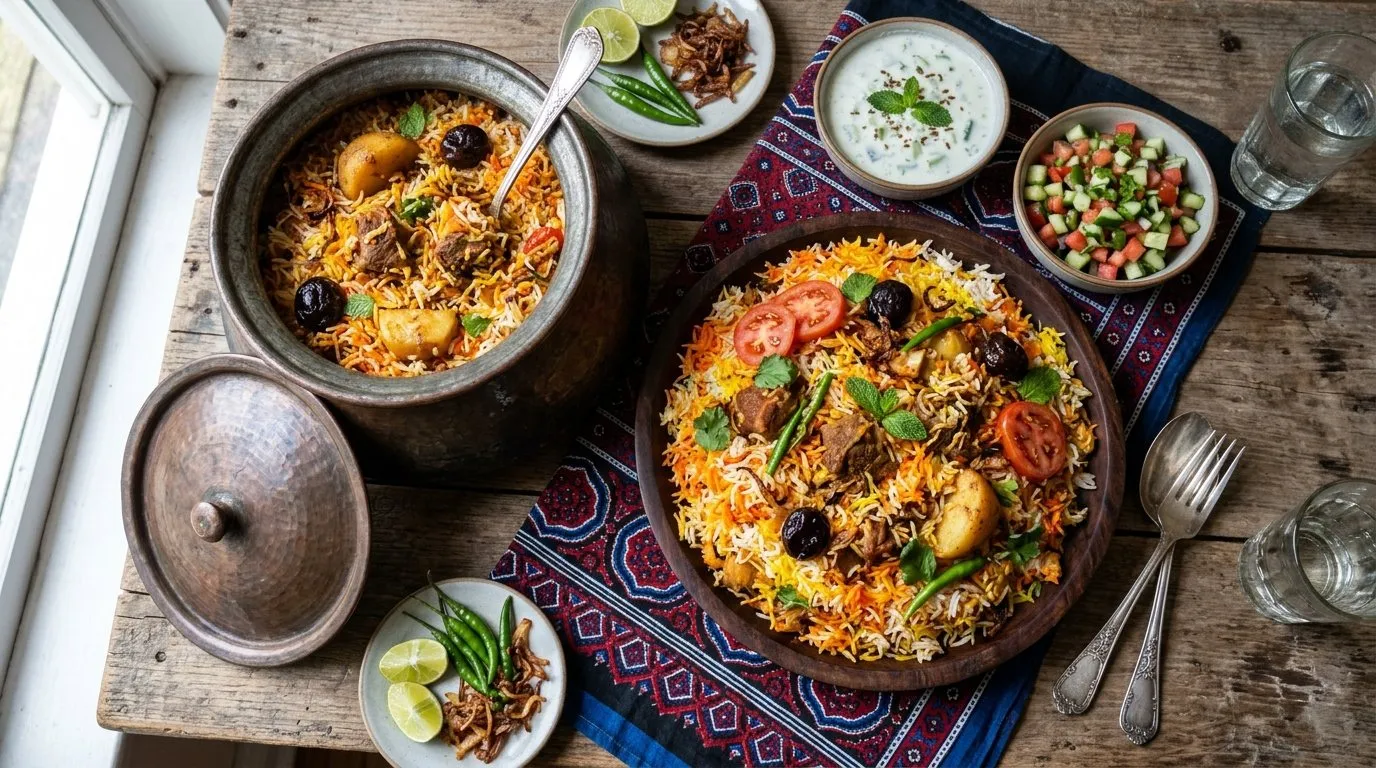
Ask anyone from Karachi, Hyderabad or Larkana which biryani they grew up with and the answer is almost always Sindhi biryani, one of the signature dishes of Sindhi cuisine. It is the biryani of weddings, Friday lunches and Eid dinners, and it has a character of its own: tangy from tomatoes, yogurt and aloo bukhara (dried plums), properly spicy from green and red chillies, and generous with potatoes, which many Sindhi families would argue are the best part of the plate.
In this article (9)
What makes Sindhi biryani different?
Biryani arrived in Sindh with the Mughal-era kitchens, but over time the Sindhi version moved away from the mild, fragrant style of Lucknow and towards bolder flavours that suit the local palate. Four things set it apart:
- Potatoes. Whole or halved potatoes are fried and then cooked in the masala, so they soak up the spices and the meat juices.
- Aloo bukhara. Dried plums add a gentle sweet-sour taste that balances the chilli heat. They are what most people miss when they eat biryani outside Sindh.
- Tomato and yogurt base. The masala is cooked until it is thick and the oil separates. A watery masala makes the rice soggy, which is the most common mistake.
- Layers you can see. White, yellow and orange rice sits over a red masala. It should be mixed gently at the table, not before.
Today you will find chicken, beef and even fish versions, and the packaged “Sindhi biryani masala” mixes sold all over Pakistan have made the dish famous well beyond the province. The recipe below uses mutton and whole spices, the way it is still cooked for family gatherings in interior Sindh.
Choosing the rice and meat
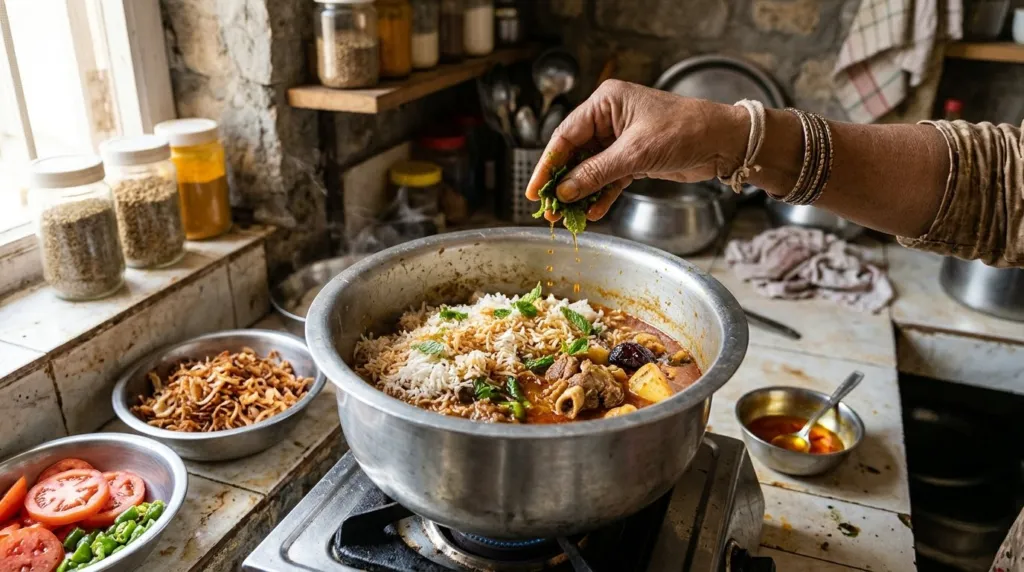
Use aged long-grain rice. Sella (parboiled) basmati is popular in Sindhi homes because it stays separate even after a long dum; regular basmati gives a softer, more fragrant result. Soak it for 30 minutes and boil it in water that tastes like the sea, since the rice will not get salt anywhere else.
For mutton, ask your butcher for a mix of shoulder (dasti) and leg (raan) pieces with bone. Bones give the masala body. If you use chicken, cut the cooking time to about 20 minutes and reduce the water to half a cup.
Tips for a perfect Sindhi biryani
- Fry the onions slowly. Deep golden, not dark brown. Burnt onions make the whole pot bitter.
- Keep the masala thick. When you put the rice on top, the masala should coat the spoon. Extra liquid steams into the rice and turns it mushy.
- Stop the rice at 70 percent. It finishes cooking during dum. Press a grain between your fingers: it should break into a few pieces with a firm centre.
- Do not skip the dum. Low heat for 15–20 minutes is what lets the aroma of mint, saffron and ghee move through the layers. Placing the pot on a flat tawa stops the bottom from burning.
- Make it a day ahead? Cook the masala the day before; it tastes even better. Boil the rice and do the dum just before serving.
How to serve
Sindhi biryani is a complete meal, but it is traditionally served with a cooling raita (yogurt with cucumber, mint and a pinch of roasted cumin) and a kachumber salad of onion, tomato and cucumber with lemon. At weddings you may also see shami kebabs and a bowl of zarda (sweet rice) on the same table.
Frequently asked questions
Can I make Sindhi biryani without aloo bukhara?
Yes. Add an extra tomato and a squeeze of lemon for tang. The taste will be good, but slightly less “Sindhi”.
Is Sindhi biryani very spicy?
It is spicier than most biryanis. For a milder version use Kashmiri chilli powder only and remove the seeds from the green chillies.
Can I use a packet masala?
Many families do on busy days. If you do, skip the separate spice powders and salt in the masala, and still add fresh tomatoes, yogurt, herbs and aloo bukhara; they make the biggest difference.
More Sindhi recipes
A Sindhi biryani is usually the centre of a bigger spread. These recipes from PakSindh complete the table:
- Sindhi Mutton Korma: a rich festive korma for the same dawat
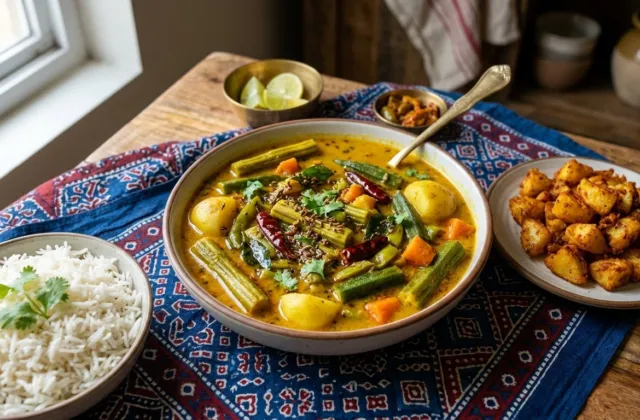
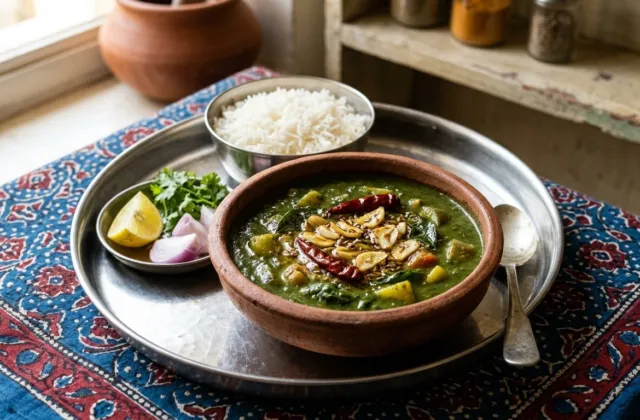
- Sai Bhaji: the everyday green vegetable curry
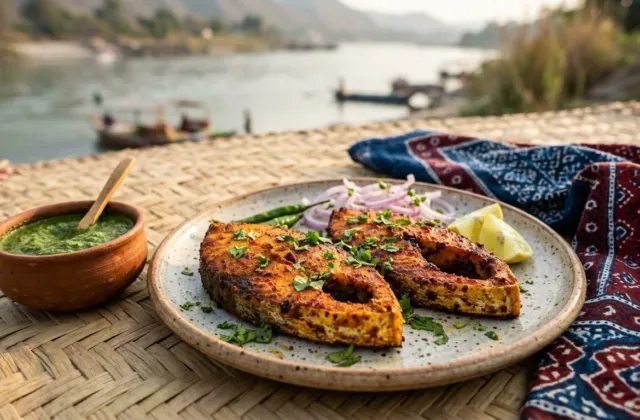
- Palla Machhi: masala-fried Palla fish from the Indus